Table of Contents (14 Sections)
- 1 Cusco at a glance
- 2 First things first: the altitude
- 3 When to visit Cusco
- 4 How many days in Cusco?
- 5 The Cusco Tourist Ticket (Boleto Turístico)
- 6 Plaza de Armas and the cathedral
- 7 San Blas, San Cristóbal and Cristo Blanco
- 8 Sacsayhuamán and the ruins above the city
- 9 Qorikancha, the Temple of the Sun
- 10 The Sacred Valley
- 11 Food and markets
- 12 Getting to Machu Picchu from Cusco
- 13 Day trips from Cusco
- 14 Practical tips
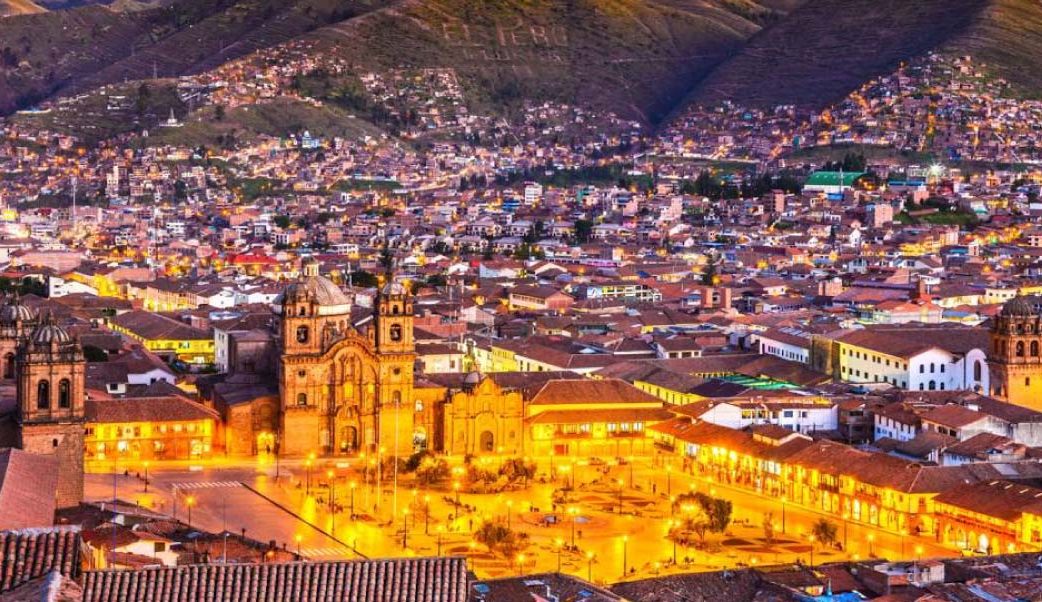
Cusco, Qosqo in Quechua, was the capital of the Inca Empire and is today a city of more than 400,000 people at 3,399 m (11,152 ft) in the Andes of southern Peru. Inca walls form the base of its colonial churches and houses, and it is the starting point for the Sacred Valley, Machu Picchu and the treks of the region. This guide covers what you need to plan your stay: the altitude, when to go, how many days to spend, the tourist ticket, the main sights, food and getting to Machu Picchu.
Cusco at a glance#
| Altitude | 3,399 m (11,152 ft) |
| Airport | Alejandro Velasco Astete, about 3.7 km from the historic center |
| Best months | May to September (dry season); April and October are good shoulder months |
| Days you need | At least 2 in the city; 4 to 6 with the Sacred Valley and Machu Picchu |
| Tourist ticket | Boleto Turístico del Cusco: S/ 130 for foreign adults, 16 sites, valid 10 days |
| Currency | Peruvian sol (S/, PEN); carry cash in small notes |
| Electricity | 220 V, 60 Hz; plug types A and C |
| Tap water | Not safe to drink; use bottled, boiled or filtered water |
| Main festival | Inti Raymi, 24 June |
First things first: the altitude#
At 3,399 m, altitude sickness (soroche) is common on the first days, even for fit people. Take it easy on your first day, drink plenty of water, avoid alcohol and heavy meals, and try coca tea, offered in most hotels. A mild headache, tiredness and shortness of breath usually fade within a day or two; severe symptoms, such as confusion or breathlessness at rest, need a doctor. Plan at least two days in Cusco or the lower Sacred Valley before a trek. Our guide to Cusco altitude and altitude sickness explains how to acclimatize.
When to visit Cusco#
Cusco has two seasons. The dry season, from May to September, has sunny days and cold nights: in July the average high is about 21 °C and the low about 1 °C, with very little rain. The rainy season, from November to March, is milder at night (about 8 °C in January) but brings most of the year’s rain, more than 100 mm a month from December to March. April and October are in between. June is the busiest month, with Inti Raymi on 24 June and the start of the high season, so book early.
How many days in Cusco?#
- 2 days: the historic center, San Blas, Qorikancha and the ruins above the city, while you acclimatize.
- 4 to 5 days: add a day in the Sacred Valley and a day at Machu Picchu.
- A week or more: add a trek, such as the Inca Trail or the Salkantay Trek, or a day trip to Rainbow Mountain.
Our Cusco Classic Tour: 5 Days covers the city, the Sacred Valley, Machu Picchu and Rainbow Mountain.
The Cusco Tourist Ticket (Boleto Turístico)#
Most archaeological sites and several museums around Cusco need the Boleto Turístico del Cusco, sold by COSITUC. Prices in 2026, in soles:
| Ticket | Sites | Valid | Foreigners | Peruvians |
|---|---|---|---|---|
| Integral | All 16 sites | 10 days | S/ 130 (students S/ 70) | S/ 70 (students S/ 40) |
| Circuit I | Sacsayhuamán, Q’enqo, Puka Pukara, Tambomachay | 1 day | S/ 70 | S/ 40 |
| Circuit II | Qorikancha site museum, Regional History Museum, Contemporary Art Museum, Popular Art Museum, Centro Qosqo de Arte Nativo, Pachacútec monument, Tipón, Pikillaqta | 2 days | S/ 70 | S/ 40 |
| Circuit III | Pisac, Ollantaytambo, Chinchero, Moray | 2 days | S/ 70 | S/ 40 |
- Students: from 18 to 25 years old with a valid student card or an ISIC card; from 10 to 17 with an identity document. Children up to 9 enter free.
- Where to buy: at the COSITUC counter on Av. El Sol 103 (Galerías Turísticas), open every day from 7:30 a.m. to 6:00 p.m., or at the entrance of most sites. It is not sold online.
- Not included: Machu Picchu, the Qorikancha temple (it has its own entrance), the cathedral and the other churches (they have a separate religious ticket), the Maras salt pans and Huchuy Qosqo.
A new national tourist-ticket law was published in May 2026; the Cusco ticket keeps its own rules, but prices can change, so check them at the counter.
Plaza de Armas and the cathedral#
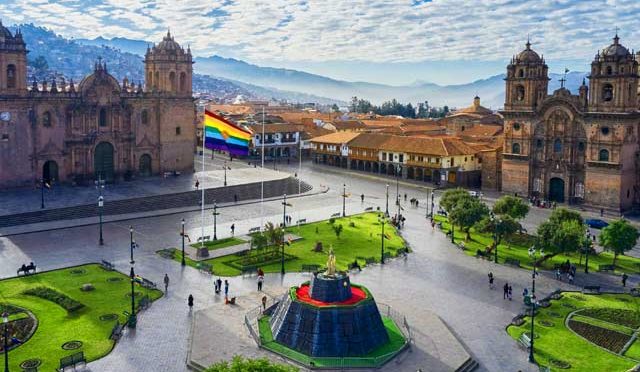
The Plaza de Armas was the center of Inca Cusco and is still the heart of the city. On one side stands the cathedral, built between 1559 and 1654, partly with stones taken from Sacsayhuamán; on the other, the church of La Compañía, built by the Jesuits over the site of an Inca palace. The cathedral holds one of the main collections of the Cusco school of painting. See our guide to the most famous churches in Cusco.
San Blas, San Cristóbal and Cristo Blanco#
A short, steep walk from the plaza takes you up to San Blas, the artisans’ quarter, with workshops, small galleries, cafés and views over the red roofs. Higher up, the San Cristóbal viewpoint and the Cristo Blanco, an 8-metre statue given to the city in 1945 by its Palestinian Christian community, have the widest views of Cusco. The walk is short but hard at this altitude; a taxi is an easy alternative.
Sacsayhuamán and the ruins above the city#
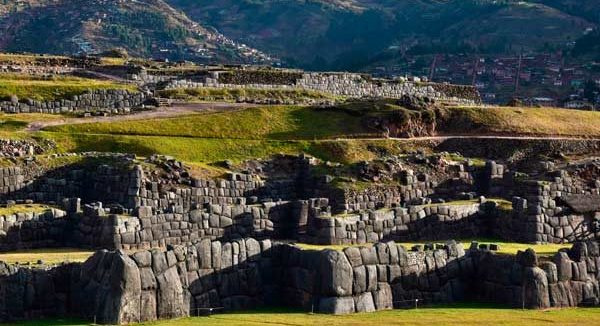
Sacsayhuamán, at about 3,700 m and 2 km from the center, is the great Inca complex above Cusco, with three tiers of zigzag walls built from huge fitted stones, the largest about 125 tons. Its esplanade is the main stage of Inti Raymi on 24 June. The same Circuit I ticket covers three smaller sites along the road: Q’enqo, a carved rock shrine; Puka Pukara; and Tambomachay, with Inca water channels still running. All four fit in half a day. More in our guide to archaeological sites in Cusco.
Qorikancha, the Temple of the Sun#
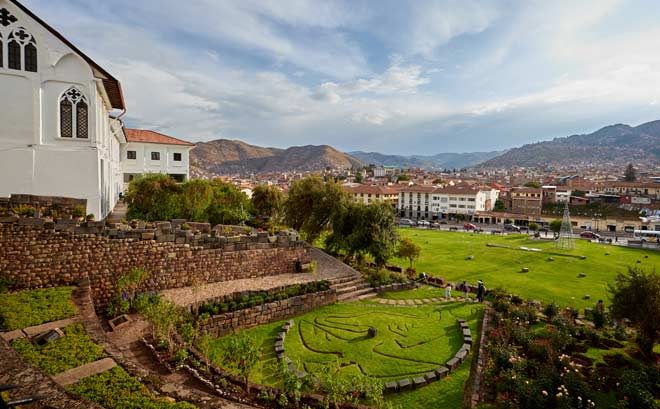
Qorikancha was the most important temple of the Inca Empire. The Spanish built the convent of Santo Domingo on top of it, so you see fine Inca stonework next to colonial arches. The temple has its own entrance fee; the Boleto Turístico only covers the site museum underneath the gardens.
The Sacred Valley#
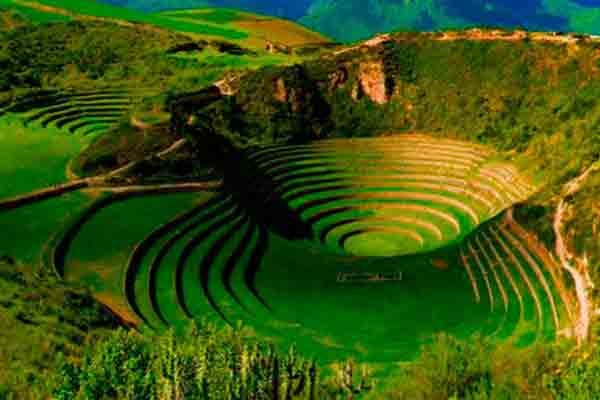
The Sacred Valley of the Incas, about an hour north of Cusco and lower in altitude, is the usual first excursion. Its main stops are Pisac, with its market and terraces; Ollantaytambo, an Inca town still lived in and the main station for Machu Picchu; Chinchero, known for its weavers; the circular terraces of Moray; and the salt pans of Maras. Read our Sacred Valley guide.
Food and markets#
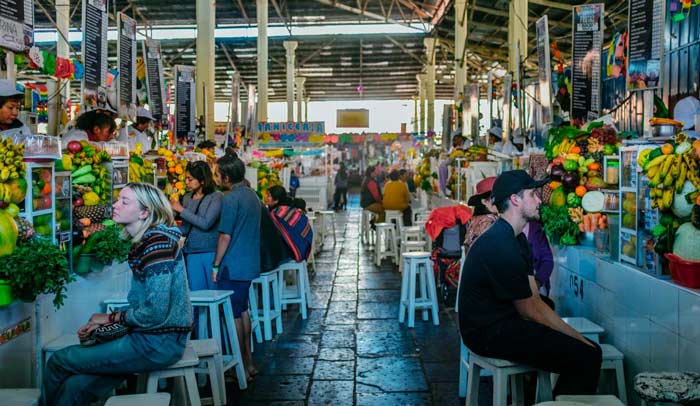
Cusco’s food mixes Andean ingredients, such as native potatoes, corn, quinoa and trout, with Spanish and modern influences. Dishes to try include cuy (roasted or fried guinea pig), chicharrón, lomo saltado, rocoto relleno and, to drink, chicha morada (purple corn) and chicha de jora (fermented corn). San Pedro Market, near the center, is the place for juices, bread, cheese and cheap set lunches. See our Cusco food guide and Cusco markets.
For textiles and alpaca, compare quality and prices before you buy: “baby alpaca” is a finer and more expensive fiber, and not every “alpaca” sweater is pure alpaca. Bargaining is normal in craft markets, not in shops or restaurants.
Getting to Machu Picchu from Cusco#
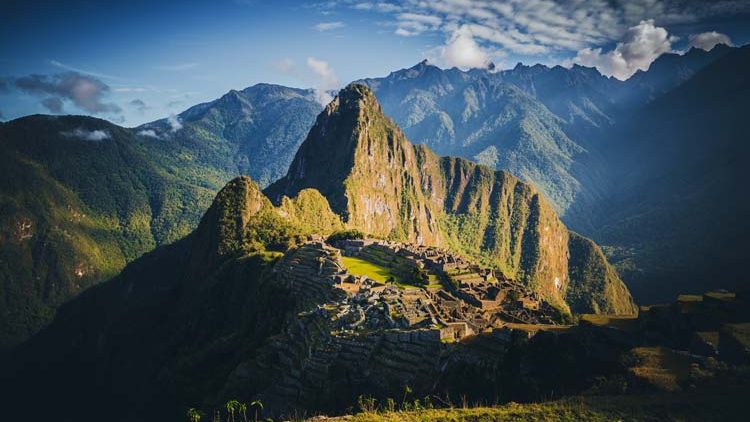
- By train: from Ollantaytambo (about 2 hours by road from Cusco), or from the Poroy and San Pedro stations in Cusco, to Aguas Calientes, then a 25-minute bus up to the site. See how to get to Machu Picchu.
- On the Inca Trail: the Classic Inca Trail in 4 days, or the Short Inca Trail in 1 or 2 days. Both need an Inca Trail permit, booked months ahead.
- On another trek: the Salkantay Trek (5 days), the Lares Trek or the Inca Jungle need no permit.
Machu Picchu tickets are separate from the Boleto Turístico and limited each day; from May to September book them, and the train, 2 to 3 months ahead. See Machu Picchu tickets.
Day trips from Cusco#
- Rainbow Mountain (Vinicunca): a full day with a 4:00 a.m. start and a hike to 5,036 m. See our Rainbow Mountain guide.
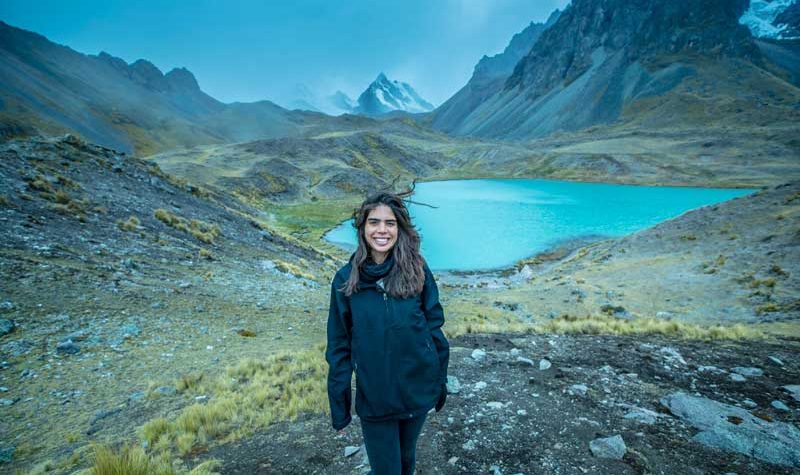
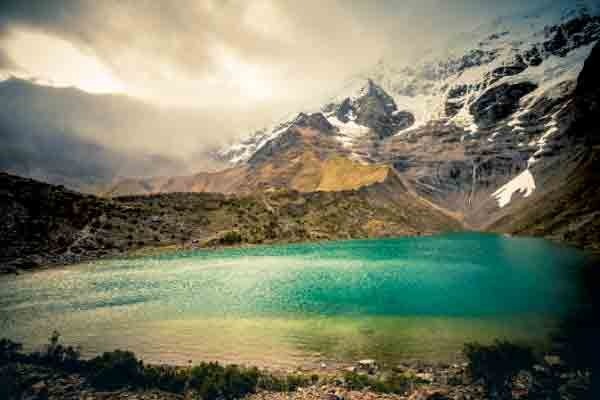
- Humantay Lake: a turquoise glacial lake at about 4,200 m below Humantay mountain, about 3 hours by road from Cusco, with a steep walk of 1.5 to 2 hours up.
- Palccoyo: another colored mountain, lower (about 4,900 m) and with a shorter walk than Rainbow Mountain.
- Tipón and Pikillaqta: Inca water gardens and a pre-Inca Wari city, south-east of Cusco, both on Circuit II of the tourist ticket.
More ideas in our guide to places to visit around Cusco.
Practical tips#
- Pack layers: mornings and nights are cold, especially from May to September, and the midday sun burns quickly at this altitude.
- Carry cash in small notes; markets, taxis and rural areas often do not take cards. Read our money guide.
- Drink bottled or filtered water, and avoid ice from unknown sources.
- Many people speak Quechua as well as Spanish; “sulpayki” means thank you.
- Get travel insurance that covers trekking at altitude if you plan a trek.
- For quick answers about weather, safety and plugs, see our Cusco FAQ; for ideas for each day, things to do in Cusco.

Written by Joel Cárdenas Gonzales
Founder & CEOFounder and CEO of Southern Peru Explorers since 2009. Born in Cusco and trained as an official tour guide at Instituto Khipu. About the author