Table of Contents (11 Sections)
- 1 How we handle altitude on our tours
- 2 What is the altitude of Cusco?
- 3 Will I get altitude sickness in Cusco?
- 4 Symptoms of altitude sickness
- 5 How to avoid altitude sickness in Cusco
- 6 Medication: acetazolamide (Diamox)
- 7 Coca tea
- 8 When to get help
- 9 Who should see a doctor before going to Cusco
- 10 Machu Picchu and the Sacred Valley are lower
- 11 Frequently asked questions
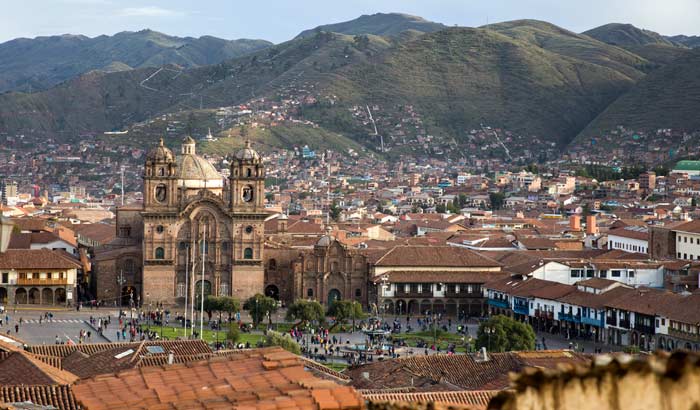
Cusco is at about 3,400 m (11,155 ft) above sea level, almost 1,000 m higher than Machu Picchu. Most travelers fly in from Lima, near sea level, and many feel the altitude on the first day: a headache, tiredness, poor sleep or shortness of breath on the stairs. This is acute mountain sickness, called soroche in Peru. According to the CDC, it usually starts 2 to 12 hours after arrival and gets better within 1 to 3 days if you do not go higher. This guide covers the altitude of Cusco and the places around it, how to avoid soroche, the warning signs to watch for and how we handle altitude on our tours.
How we handle altitude on our tours#
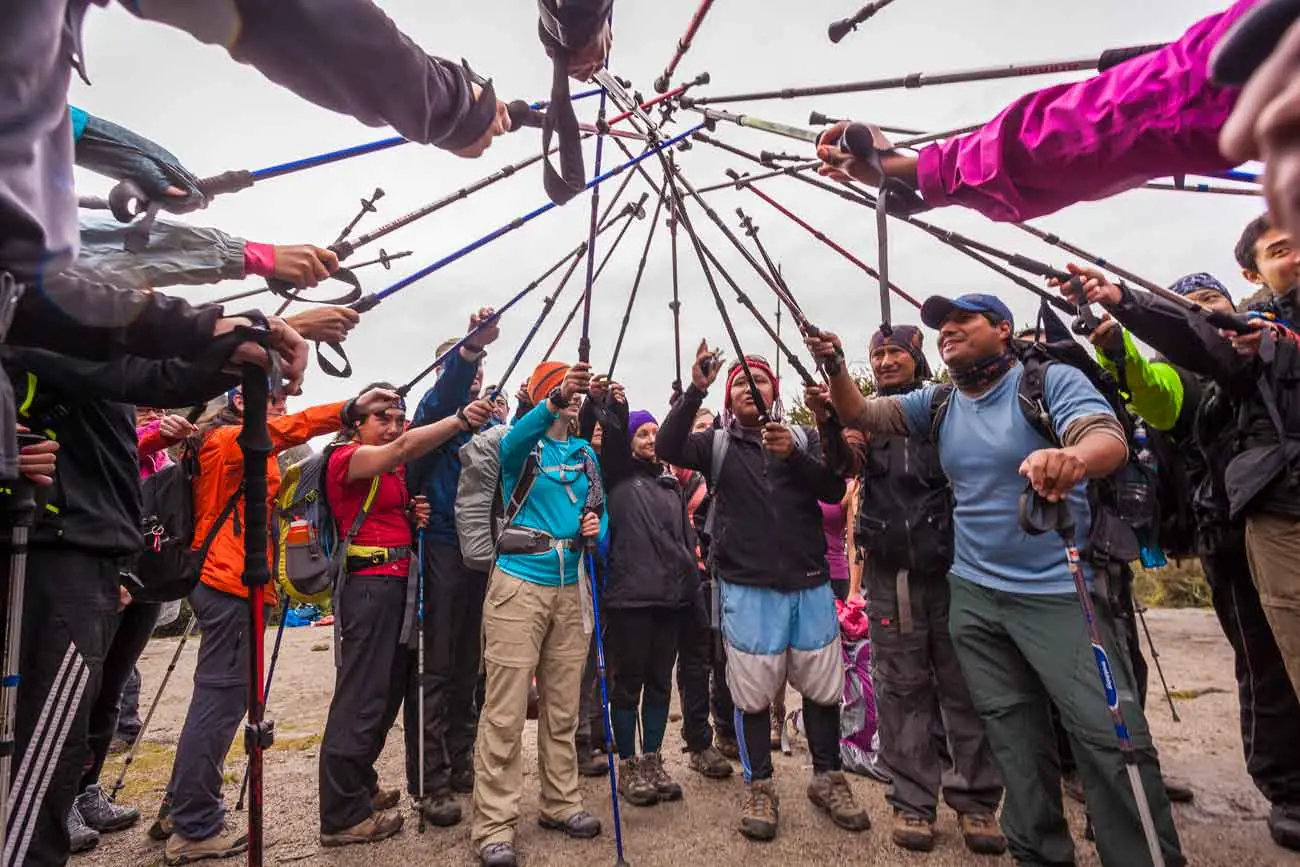
We recommend two days in Cusco before any trek: one to rest and one for a light visit of the city. Our guides carry portable oxygen and a first-aid kit.
If a traveler feels unwell on a trek, we stop to rest and give coca tea and oxygen; if there is no improvement, we descend or arrange an evacuation. Our advice: eat light, drink plenty of water and coca tea, and avoid alcohol in your first days.
What is the altitude of Cusco?#
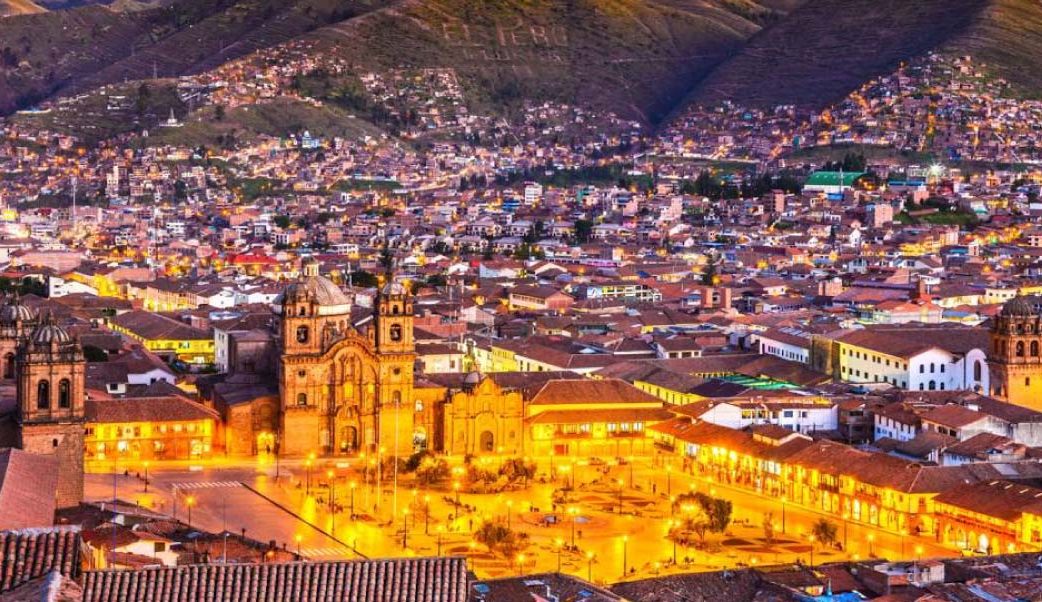
The historic center of Cusco is at about 3,400 m (11,155 ft); most references give 3,399 m. Parts of the city are higher: Sacsayhuamán, the Inca complex above the center, is at 3,701 m (12,142 ft). The Sacred Valley and Machu Picchu are lower, while the passes and viewpoints of the treks around Cusco are higher.
Cusco altitude compared with nearby places
| Place | Altitude | Compared with Cusco |
|---|---|---|
| Lima, where most flights arrive | Near sea level | About 3,400 m lower |
| Aguas Calientes (Machu Picchu town) | 2,040 m / 6,693 ft | 1,360 m lower |
| Machu Picchu | 2,430 m / 7,972 ft | 970 m lower |
| Ollantaytambo, Sacred Valley | 2,792 m / 9,160 ft | About 600 m lower |
| Pisac town, Sacred Valley | 2,972 m / 9,751 ft | About 430 m lower |
| Cusco, historic center | 3,400 m / 11,155 ft | – |
| Sacsayhuamán | 3,701 m / 12,142 ft | 300 m higher |
| Lake Titicaca (Puno) | 3,812 m / 12,507 ft | About 410 m higher |
| Humantay Lake | 4,200 m / 13,780 ft | 800 m higher |
| Dead Woman’s Pass, Inca Trail | 4,215 m / 13,829 ft | 815 m higher |
| Abra Málaga, Inca Jungle | 4,300 m / 14,108 ft | 900 m higher |
| Salkantay Pass | 4,630 m / 15,190 ft | 1,230 m higher |
| Rainbow Mountain (Vinicunca) | 5,036 m / 16,522 ft | About 1,640 m higher |
See the altitude of each day on our Inca Trail map, Salkantay Trek map and Inca Jungle map.
Will I get altitude sickness in Cusco?#
You might, and nobody can predict it exactly. The CDC rates the risk by the altitude where you sleep on your first night: sleeping at 2,750 to 3,400 m after arriving from low altitude is a medium risk, and above 3,400 m a high one. Cusco sits right at that line.
- Your own history is the best guide: if you had altitude sickness before at a similar altitude, you are likely to have it again.
- Fitness does not protect you. Fit hikers get soroche as often as anyone else.
- Children are as likely to get it as adults; people over 50 have a slightly lower risk.
Symptoms of altitude sickness#
The main symptom is a headache, usually with one or more of these:
- Loss of appetite or nausea, sometimes vomiting
- Tiredness and weakness
- Dizziness
- Poor sleep
- Shortness of breath when you walk uphill or climb stairs
The CDC compares it to a hangover. The symptoms usually begin a few hours after you arrive, often during or after the first night, and fade within one to three days if you do not go higher. Symptoms that start after three days at the same altitude are probably caused by something else.
How to avoid altitude sickness in Cusco#
- Sleep lower first if you can. The CDC names Cusco as a place where you can spend your first one or two nights lower before going up. The towns of the Sacred Valley, such as Ollantaytambo and Pisac, are 400 to 600 m lower than Cusco, and many itineraries start there.
- Take it easy for 48 hours. Walk slowly, avoid hard exercise and rest after the flight.
- Avoid alcohol for the first 48 hours.
- Drink enough water so you do not get dehydrated, and eat light meals.
- Keep your usual coffee if you drink it every day: a caffeine-withdrawal headache can be mistaken for soroche.
- Do not go higher with symptoms. Wait in Cusco until you feel well before a trek or a day trip to Rainbow Mountain or Humantay Lake.
- On treks, go up gradually. Above 3,000 m, the NHS advises not to sleep more than 500 m higher than the night before and to take a rest day every three to four days. Our trek itineraries start after two days in Cusco.
Medication: acetazolamide (Diamox)#
Acetazolamide helps the body adapt to altitude faster. It needs a prescription, so talk to your doctor or a travel clinic before your trip: for people at medium risk, the CDC says it is worth considering. In the CDC guidance it is started the day before you arrive at altitude and continued for the first two days there. Common side effects are tingling in the fingers and toes and a strange taste in fizzy drinks.
For a mild altitude headache, the NHS says ibuprofen or paracetamol can help, as long as you do not go any higher until you feel better.
Coca tea#
Coca tea (mate de coca) is part of daily life in the Andes, and most hotels in Cusco offer it to arriving guests; our guides carry it on treks. It is a local custom, not a substitute for a gradual ascent and rest: the medical guidance of the CDC and NHS is based on those, and on medication when needed.
When to get help#
Most altitude sickness in Cusco is mild. The serious forms, swelling of the brain (HACE) and fluid in the lungs (HAPE), are rare, especially below 4,300 m according to the CDC, but they can be life-threatening. Get medical help immediately if you or someone with you has any of these:
- Confusion, unusual drowsiness or being hard to wake
- Problems with balance or coordination
- Breathlessness at rest
- A cough with frothy or bloody sputum
- Blue or grey lips
The treatment is to go down, ideally 300 to 1,000 m, and to give oxygen if it is available. On a trek, tell your guide at once: our guides carry oxygen and will descend with you or arrange an evacuation.
Who should see a doctor before going to Cusco#
- Heart or lung conditions: the CDC advises people with chronic conditions, such as heart failure, severe lung disease or a recent heart attack or stroke, to talk to a doctor with experience in altitude medicine before the trip.
- Pregnancy: the CDC suggests that pregnant women do not sleep above 3,050 m. Cusco is higher, so ask your doctor, and consider sleeping in the Sacred Valley.
- Young children: babies and toddlers cannot tell you about a headache; loss of appetite, irritability and paleness can be signs of soroche.
Machu Picchu and the Sacred Valley are lower#
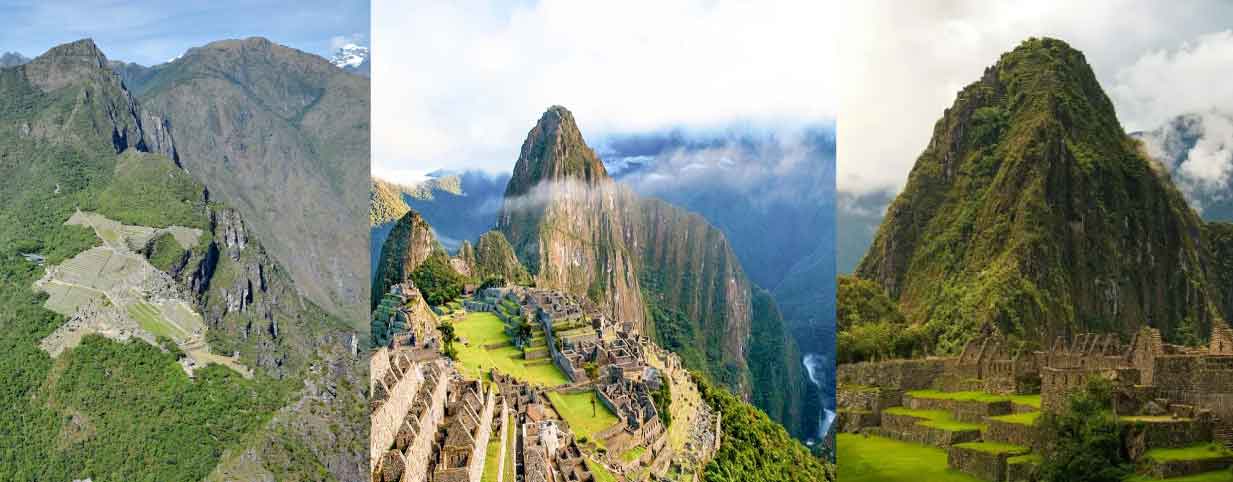
Machu Picchu (2,430 m) and Aguas Calientes (2,040 m) are about 1,000 m lower than Cusco, and the Sacred Valley 400 to 600 m lower, so many travelers feel better there. That is why some itineraries go to the Sacred Valley first and leave the city and the higher excursions for later.
Frequently asked questions#
How high is Cusco above sea level?
About 3,400 m (11,155 ft) in the historic center, almost 1,000 m higher than Machu Picchu.
Is Machu Picchu higher than Cusco?
No. Machu Picchu is at about 2,430 m (7,972 ft), almost 1,000 m lower.
Is the Sacred Valley lower than Cusco?
Yes. Ollantaytambo is at 2,792 m and Pisac at 2,972 m, 400 to 600 m lower than Cusco.
Is Cusco higher than Lake Titicaca?
No. Lake Titicaca is at 3,812 m (12,507 ft), about 400 m higher than Cusco. If your trip includes Puno, go there after a few days in Cusco.
How long does altitude sickness last?
Usually one to three days, as long as you do not go higher while you have symptoms.
How many days should I spend in Cusco before a trek?
At least two. Our treks to Machu Picchu start after two days in Cusco or the Sacred Valley; for the Ausangate trek, with passes above 5,000 m, we recommend three.
Sources: CDC Yellow Book, High-Altitude Travel and Altitude Illness; CDC Yellow Book, Peru; NHS, Altitude sickness. This guide is general information, not medical advice: talk to your doctor before your trip.

Written by Joel Cárdenas Gonzales
Founder & CEOFounder and CEO of Southern Peru Explorers since 2009. Born in Cusco and trained as an official tour guide at Instituto Khipu. About the author