Table of Contents (8 Sections)
- 1 Inca Trail preparation at a glance
- 2 How hard is the Inca Trail?
- 3 How far in advance should you book?
- 4 How to get fit for the Inca Trail
- 5 Altitude: give yourself two days in Cusco
- 6 Inca Trail packing list
- 7 What porters carry, and what you can rent from us
- 8 More questions about the Inca Trail
To prepare for the Inca Trail, book your permit early (six to eight months ahead for May to August), spend at least two days in Cusco to get used to the altitude, train for four to six weeks with long walks and stairs, and pack light: a 20–25 litre daypack, layers for sun, rain and cold, good boots and your original passport. The Classic Inca Trail is 42 km in 4 days, with the Dead Woman’s Pass at 4,215 m (13,829 ft) on day 2. It is moderate to challenging, but no technical skills are needed.
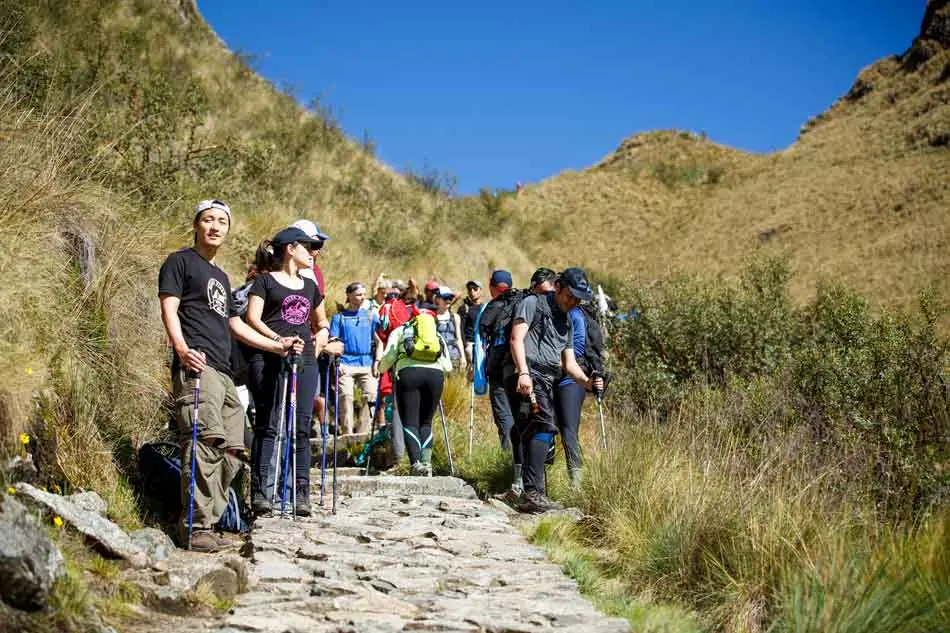
Inca Trail preparation at a glance#
| What to do | |
|---|---|
| Book | 6 to 8 months ahead for May to August; 4 to 6 months for September and October; 2 to 4 months for the rest of the year. Closed in February |
| Acclimatize | At least 2 days in Cusco or the Sacred Valley before the trek |
| Train | 4 to 6 weeks: cardio 3 or 4 times a week, stairs or hill walks, leg and core strength |
| Documents | The original passport used for your permit; a valid student card if you booked the student rate |
| Carry | A 20–25 litre daypack with water, layers, rain gear and snacks |
| Difficulty | Moderate to challenging: 42 km in 4 days, highest point 4,215 m |
How hard is the Inca Trail?#
The Classic Inca Trail is rated moderate to challenging. It needs no climbing skills, but four things make it demanding: the altitude, with the Dead Woman’s Pass at 4,215 m; long flights of uneven Inca stone steps, up and down; several days in a row of walking; and weather that can bring sun, rain and cold on the same day. On our Classic Inca Trail the days are about:
| Day | Distance | Walking time | What makes it hard |
|---|---|---|---|
| 1: Km 82 – Wayllabamba | About 10 km | About 6 hours | A warm-up, mostly gentle |
| 2: Wayllabamba – Dead Woman’s Pass – Pacaymayo | About 12 km | About 9 hours | The climb to 4,215 m and the steep descent |
| 3: Pacaymayo – Runkurakay pass – Wiñay Wayna | About 16 km | About 10 hours | The longest day, with a second pass and many steps down |
| 4: Wiñay Wayna – Sun Gate – Machu Picchu | About 5 km | About 2 hours | An early start in the dark |
Most travellers with a reasonable level of fitness complete it. If you prefer a slower pace, the 5-Day Inca Trail spreads the same route over five days; if you are short of time or fitness, the Short Inca Trail 2 Days walks only the last 10 km, with no high pass. Compare the options in our guide to how long the Inca Trail is.
How far in advance should you book?#
Permits are limited to 500 people a day, including guides, porters and cooks, and they are issued in your name for a fixed date, so book as early as you can:
| Travel dates | When to book |
|---|---|
| May to August | 6 to 8 months ahead, or as soon as sales open; June to August sell out first |
| September and October | 4 to 6 months ahead |
| November to January, and March | 2 to 4 months ahead (rainy season) |
| February | The trail is closed |
Permits cannot be moved to another date or another person, so fix your trek date first and plan the rest of your trip around it. When permits for a date are sold out there is no waiting list. Read how it works in our Inca Trail permits guide.
How to get fit for the Inca Trail#
- Start four to six weeks before and train regularly rather than hard.
- Cardio, 3 or 4 times a week, 45 to 60 minutes at a steady pace: hiking, running, cycling or a stair machine.
- Stairs and hills: the trail is mostly stone steps, up and down. Climb stairs or walk hills with a light daypack.
- Strength, 2 or 3 times a week: squats, lunges and step-ups for the legs, and core exercises for balance on the descents.
- A long walk or two of five or six hours on hilly ground, in the boots you will wear on the trek.
Altitude: give yourself two days in Cusco#
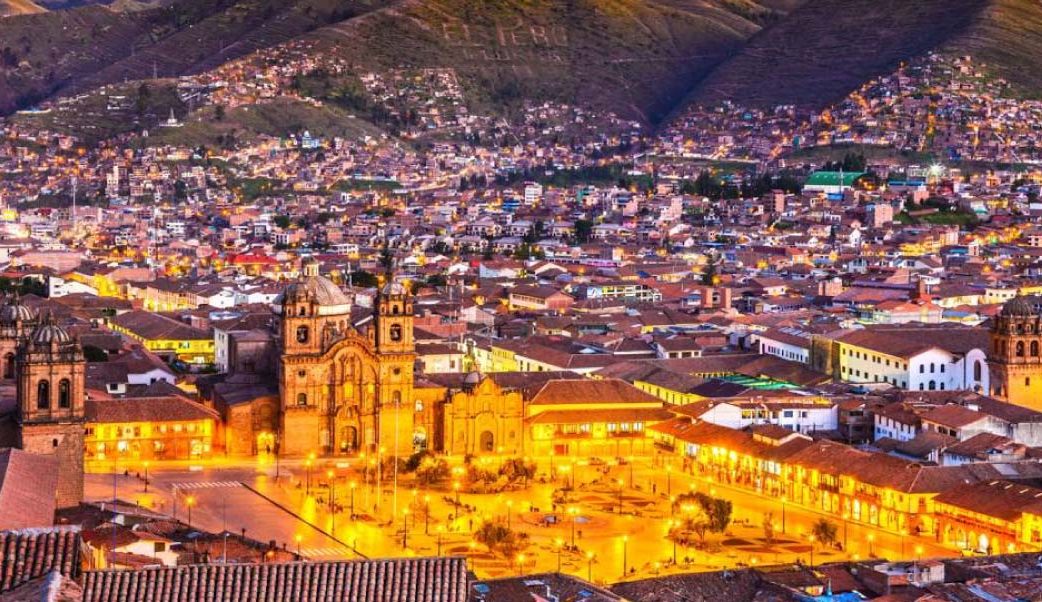
Cusco is at 3,400 m, and the trail climbs to 4,215 m. Spend at least two days in Cusco or the Sacred Valley before the trek, walk slowly, drink plenty of water and avoid alcohol on the first days. Our guides carry a first-aid kit and emergency oxygen and know how to handle altitude sickness. Read our guide to altitude sickness in Cusco.
Inca Trail packing list#
Documents and money
- Your original passport, the one used for your permit: it is checked at the start of the trail and at the entrance to Machu Picchu.
- A valid student card, if you booked the student rate.
- Soles in cash for drinks and snacks on the way, toilets, breakfast on day 1 and lunch on the last day, and tips.
Clothing and footwear
- Broken-in waterproof hiking boots with good grip: the Inca stones are slippery in the cloud forest.
- Sandals or light shoes for camp.
- Quick-drying T-shirts and long-sleeved shirts (avoid cotton).
- A fleece or down jacket and thermal underwear for the cold nights.
- A rain jacket or poncho, even in the dry season.
- Hiking trousers, a sun hat, a warm hat and gloves.
- Four or five pairs of hiking socks.
Daypack (20–25 litres)
- A reusable water bottle or hydration bladder, for about 2 litres a day.
- Sunscreen, sunglasses and insect repellent: the small biting flies near Machu Picchu are persistent.
- A headlamp, for the early start on the last day.
- Snacks, toilet paper, hand sanitizer and a small personal first-aid kit with blister plasters and your own medicines.
- A power bank and a rain cover for the pack.
Trekking poles
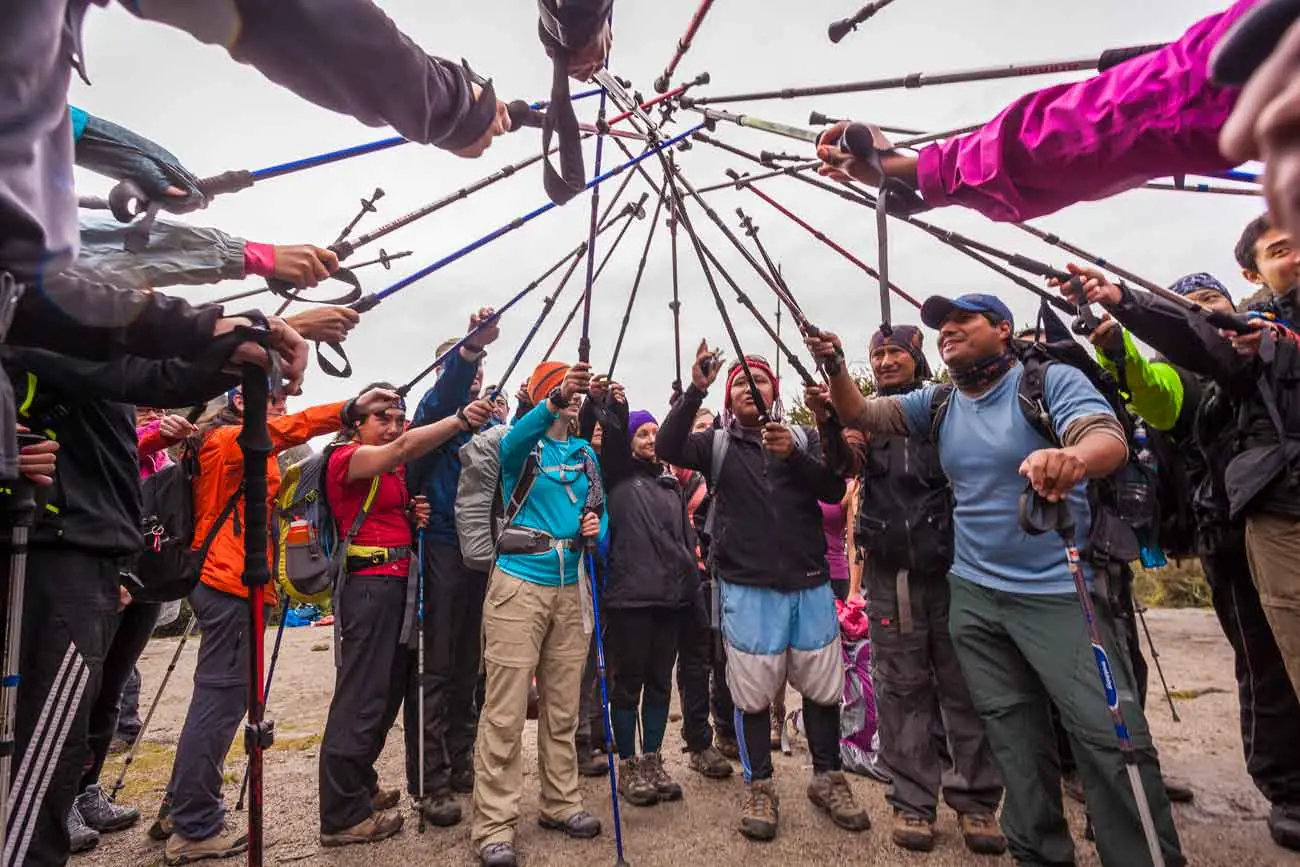
Poles help a lot on the steps, especially going down. On the Inca Trail they must have rubber tips, to protect the Inca stone paving.
What porters carry, and what you can rent from us#
Porters carry the tents, the kitchen and the food, and on our 4-, 5- and 7-day Inca Trail tours they also carry a duffel bag with up to 6 kg of your things, including your sleeping bag, so you walk with your daypack. For more weight you can hire a personal porter (USD 180). By law, porters on the Inca Trail carry no more than 20 kg.
- Sleeping bag rental: USD 25
- Trekking poles (pair): USD 25
- Single tent: USD 80
- Upgrade of the return train to the Vistadome: USD 70
Prices from our Classic Inca Trail 4 Days page. See the full costs in our Inca Trail cost guide.
More questions about the Inca Trail#
Do I need money on the trek?
Yes. Bring some soles for snacks and drinks sold along parts of the route, breakfast on the first day and lunch on the last day (not included), souvenirs and tips. We do not provide alcoholic drinks on the trek.
Do I need to speak Spanish?
No. Our team and guides speak English and Spanish, and other languages can be arranged on request. A few words of Spanish, such as hola and gracias, are always welcome on the trail.
What if I have a medical condition or dietary needs?
Tell us when you book. If you have an ongoing medical condition, check with your doctor before booking. Vegetarian meals are always available, and vegan or gluten-free meals with advance notice, at no extra cost.
How many days should I spend in Cusco first?
At least two, to get used to the altitude. More is better if you are coming from sea level.
Where should I stay in Cusco?
Anywhere that suits your budget, but check that a vehicle can reach your hotel: many streets in Cusco are narrow and steep, and we pick you up at your accommodation.
When is the best time to hike the Inca Trail?
The dry season, from May to September, has the most stable weather. See our month-by-month guide and our complete Inca Trail guide.

Written by Joel Cárdenas Gonzales
Founder & CEOFounder and CEO of Southern Peru Explorers since 2009. Born in Cusco and trained as an official tour guide at Instituto Khipu. About the author