This guide is continuously maintained and verified by our resident Andean mountain leaders, ensuring accurate permit guidance, altitude protocols, and route recommendations for travelers in Peru.
Table of Contents (9 Sections)
- 1 The ways to get to Machu Picchu at a glance
- 2 Where is Machu Picchu?
- 3 Step 1: Get to Cusco
- 4 Step 2: From Cusco to Aguas Calientes
- 5 Step 3: From Aguas Calientes up to Machu Picchu
- 6 Machu Picchu tickets: book before you travel
- 7 Can you visit Machu Picchu on a day trip from Cusco?
- 8 Which route is best for you?
- 9 Should you book a tour?
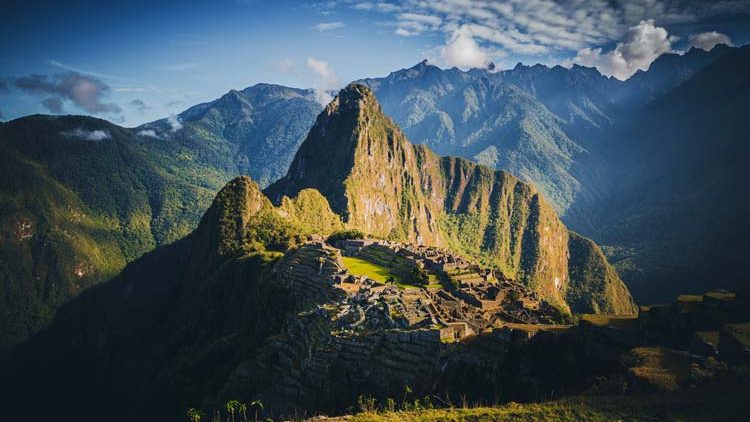
There is no road into Machu Picchu. From Cusco you take a train to Aguas Calientes (also called Machu Picchu Pueblo), the town below the site, and then a bus or a steep path up to the entrance. The other ways in are on foot: the Inca Trail, which reaches the site through the Sun Gate, or a multi-day trek such as Salkantay or the Inca Jungle. The cheapest option is a long drive to Hidroeléctrica and a walk along the railway.
The ways to get to Machu Picchu at a glance#
| Route | Time from Cusco | Best for |
|---|---|---|
| Bus to Ollantaytambo and train to Aguas Calientes | About 4 hours to Aguas Calientes | Most travelers |
| Train from Poroy station, near Cusco | About 30 minutes to Poroy and 3.5 hours by train | Leaving straight from Cusco, in the season it runs |
| Inca Trail | 1 to 5 days on foot | Arriving on the original Inca path (permit needed) |
| Salkantay, Inca Jungle, Lares or Choquequirao trek | 3 to 7 days | Trekking without an Inca Trail permit |
| Van to Hidroeléctrica and walk | 6 to 7 hours by road, then about 3 hours on foot | Tight budgets |
Where is Machu Picchu?#
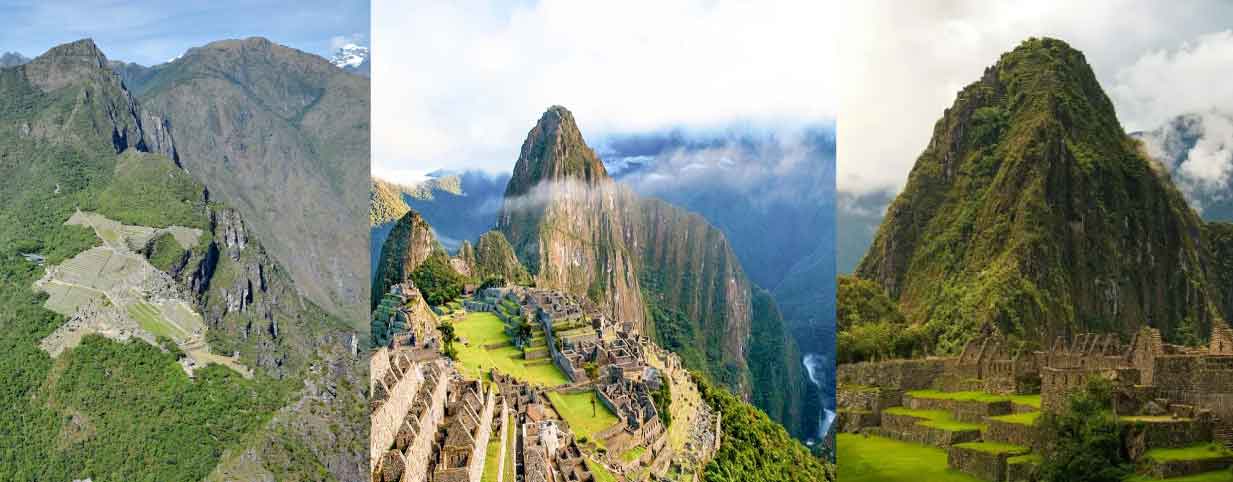
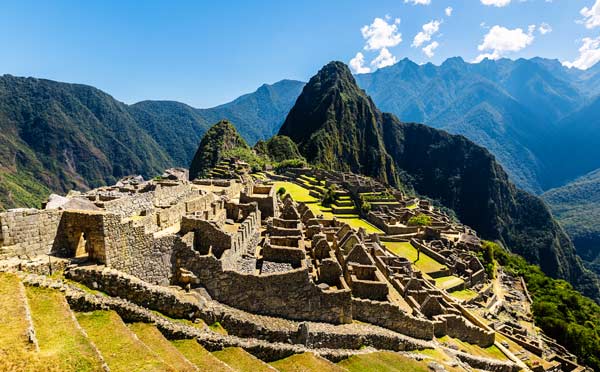
Machu Picchu is in the Cusco Region of Peru, about 80 km (50 miles) northwest of the city of Cusco. The site sits at about 2,430 m (7,970 ft) above sea level, on a ridge above the Urubamba River and the cloud forest. Aguas Calientes, the town where trains and treks arrive, is lower, at about 2,040 m (6,690 ft).
Both are lower than Cusco, which is at about 3,400 m (11,155 ft). Most travelers spend a day or two in Cusco first to get used to the altitude; read our guide to altitude sickness in Cusco.
Step 1: Get to Cusco#
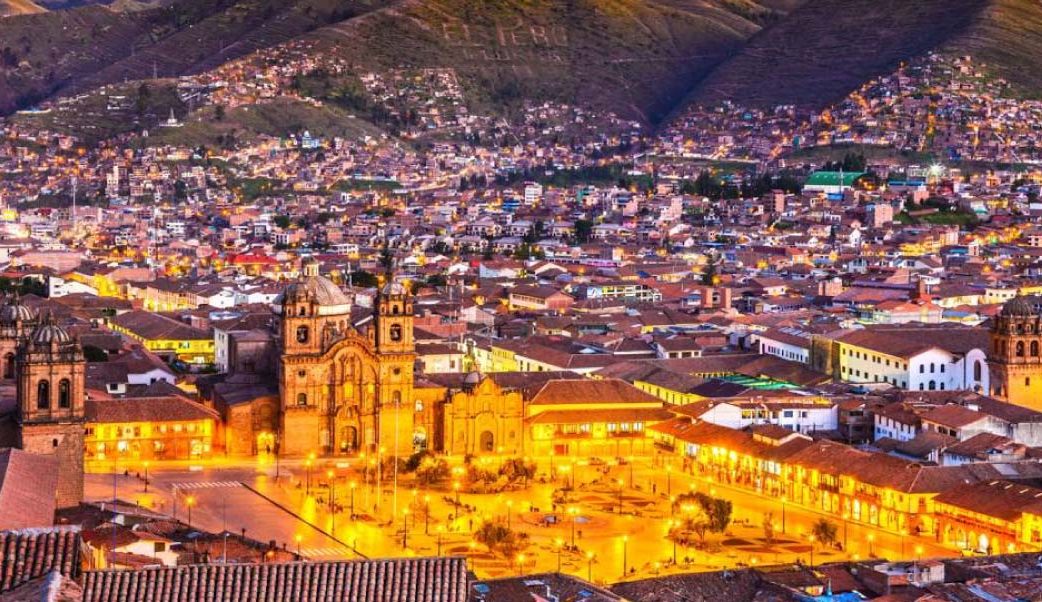
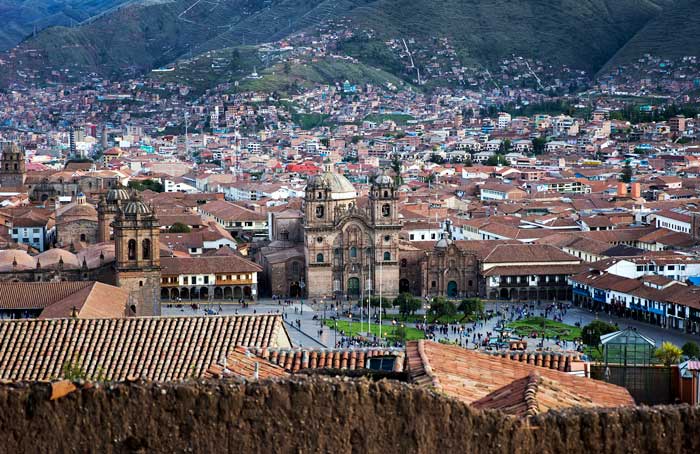
Every route starts in Cusco. Most visitors fly in from Lima to Alejandro Velasco Astete International Airport, about a 20-minute drive from the historic center. From Cusco you continue by train, on a trek or on a tour.
Step 2: From Cusco to Aguas Calientes#
By train (the most popular way)
Two companies, PeruRail and Inca Rail, run trains to Aguas Calientes. Most trains leave from Ollantaytambo, in the Sacred Valley: you get there by bus, van or taxi from Cusco in about 2 hours, and the train takes about 1 hour 30 minutes. Some trains leave from Poroy station, about 30 minutes from Cusco, and take about 3 hours 30 minutes; depending on the season, the service sold “from Cusco” may be a bus to Ollantaytambo plus the train.
The standard service is the Expedition (or the equivalent class of each company); the Vistadome has panoramic windows on the sides and roof. Book the train for the same day as your Machu Picchu ticket, and leave enough time between your arrival and your entry time.
- Pros: the fastest and most comfortable option, with views of the Urubamba valley; suitable for all ages.
- Cons: the most expensive way, and seats sell out in the high season.
On foot: the Inca Trail
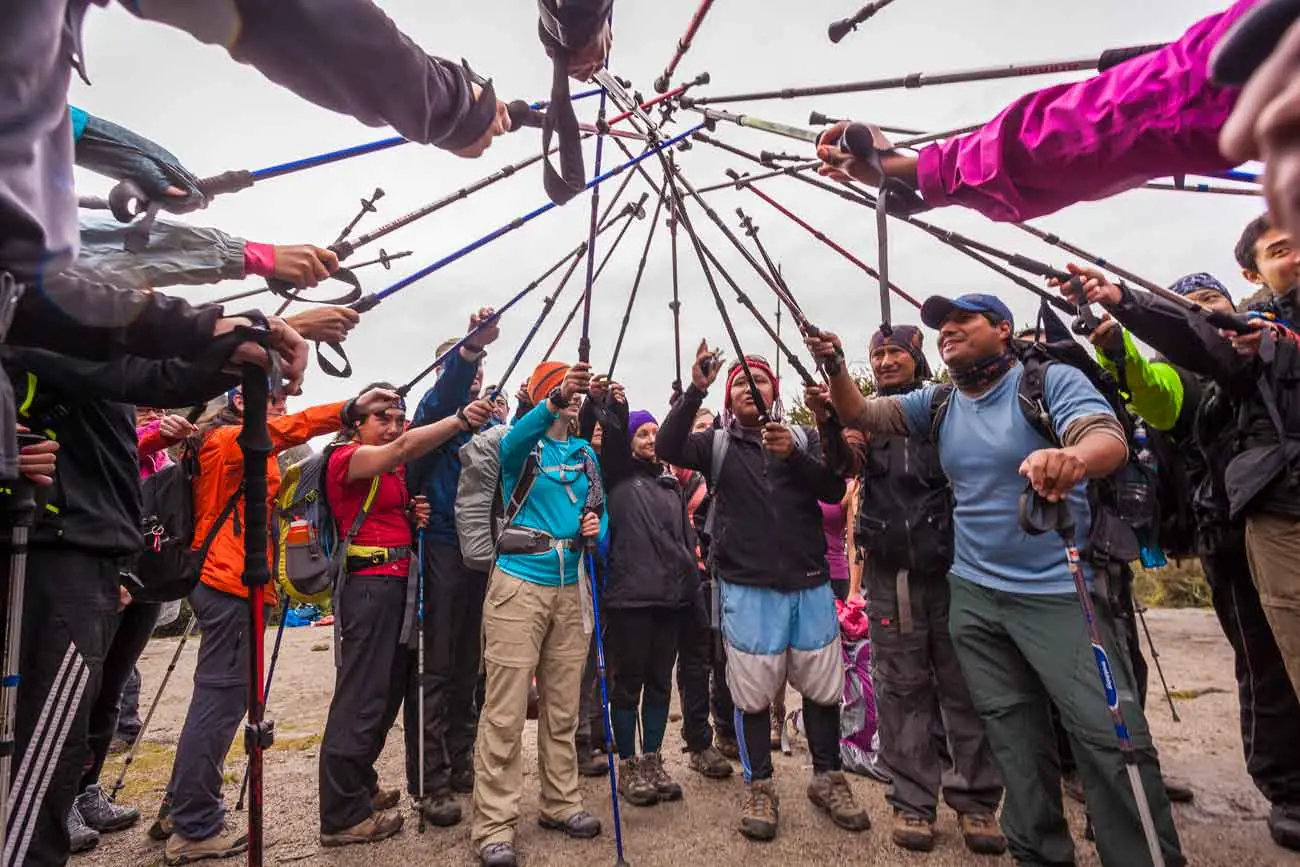
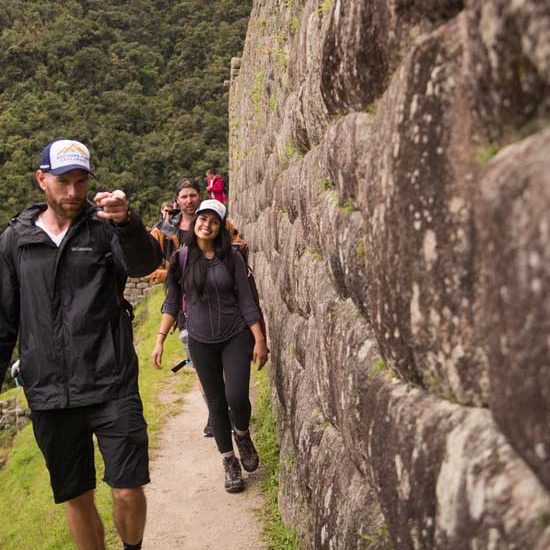
The Inca Trail is the only route that reaches Machu Picchu on the original Inca path, through the Sun Gate (Inti Punku). The Classic Inca Trail covers 42 km in 4 days from Km 82, with Dead Woman’s Pass at 4,215 m (13,829 ft) as its highest point. With less time, the Short Inca Trail walks the last 10 km from Km 104 in 2 days, and the 1-Day Inca Trail does the same walk and returns to Cusco the same night.
Every hiker needs a permit for a specific start date, and the daily limit of 500 people includes guides, cooks and porters, so book months ahead for May to September. Only licensed operators can book permits, and the trail closes every February. Read our guide to Inca Trail permits.
On foot: other treks to Machu Picchu
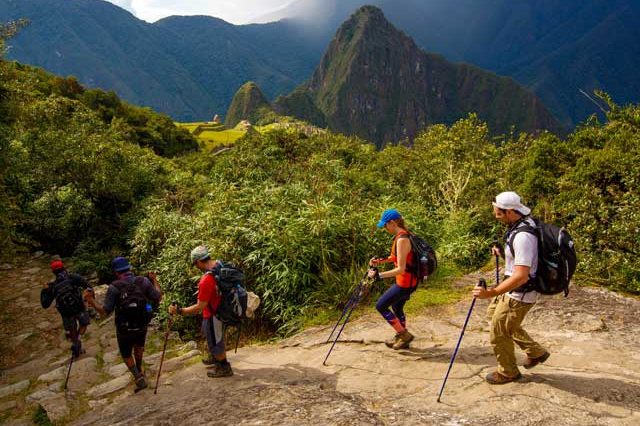
These routes do not need an Inca Trail permit. They end in Aguas Calientes, and you visit Machu Picchu the next morning with your entrance ticket.
- Salkantay Trek: 5 days and 74 km, past Humantay Lake and over a pass at 4,630 m (15,190 ft).
- Inca Jungle Trek: 3 or 4 days with downhill biking, rafting, a zipline and walks towards Aguas Calientes.
- Lares Trek: 4 days and 40 km through the Lares Valley.
- Choquequirao: 7 days and 97 km, visiting the Inca citadel of Choquequirao before Machu Picchu.
The budget route via Hidroeléctrica
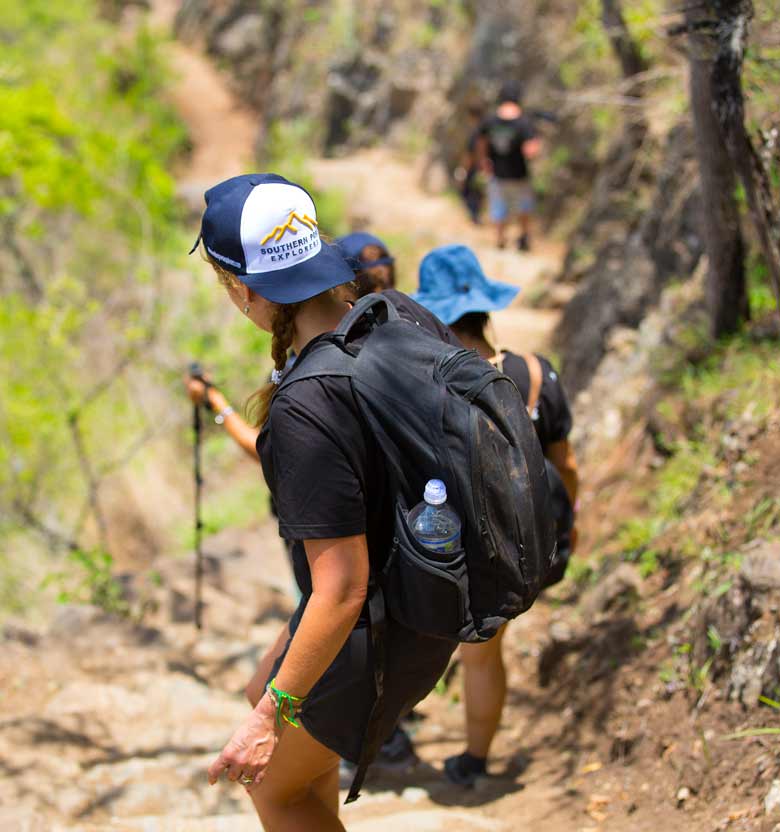
The cheapest way is by road. Vans leave Cusco early in the morning and take 6 to 7 hours to Hidroeléctrica, a hydroelectric plant beyond Santa Teresa, with a stop on the way. From there you walk about 10 km along the railway to Aguas Calientes, which takes around 3 hours, or take the short train from Hidroeléctrica.
To return the same way, the vans usually leave Hidroeléctrica in the afternoon, so you need an early entry to Machu Picchu (6:00 or 7:00 am) to walk back in time. On our Inca Jungle tours, the return by car arrives in Cusco at about 10:00 pm.
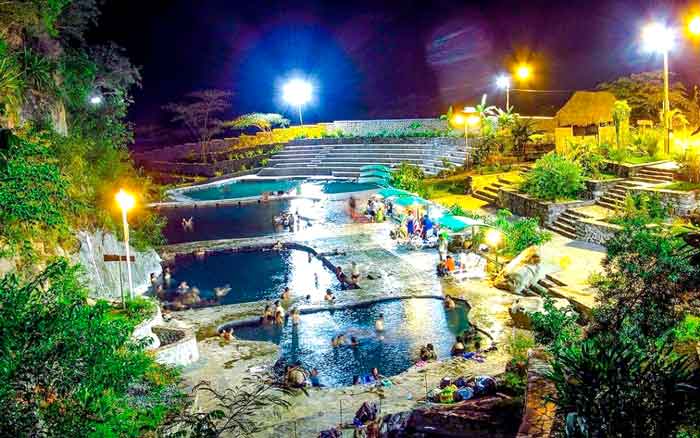
- Pros: the lowest cost, and you can stop at the Cocalmayo hot springs near Santa Teresa.
- Cons: a long day on winding roads, the walk with luggage, and it is not suitable for travelers with limited mobility.
Step 3: From Aguas Calientes up to Machu Picchu#
The entrance is about 400 m above the town. You have two ways up:
- Bus: the ride takes about 30 minutes on a zigzag road. The first buses leave at about 5:30 am, and the lines are longest early in the morning, so buy your bus ticket in Aguas Calientes the day before.
- On foot: a steep path of stone steps from the bridge at Puente Ruinas takes about 1 hour 30 minutes to 2 hours.
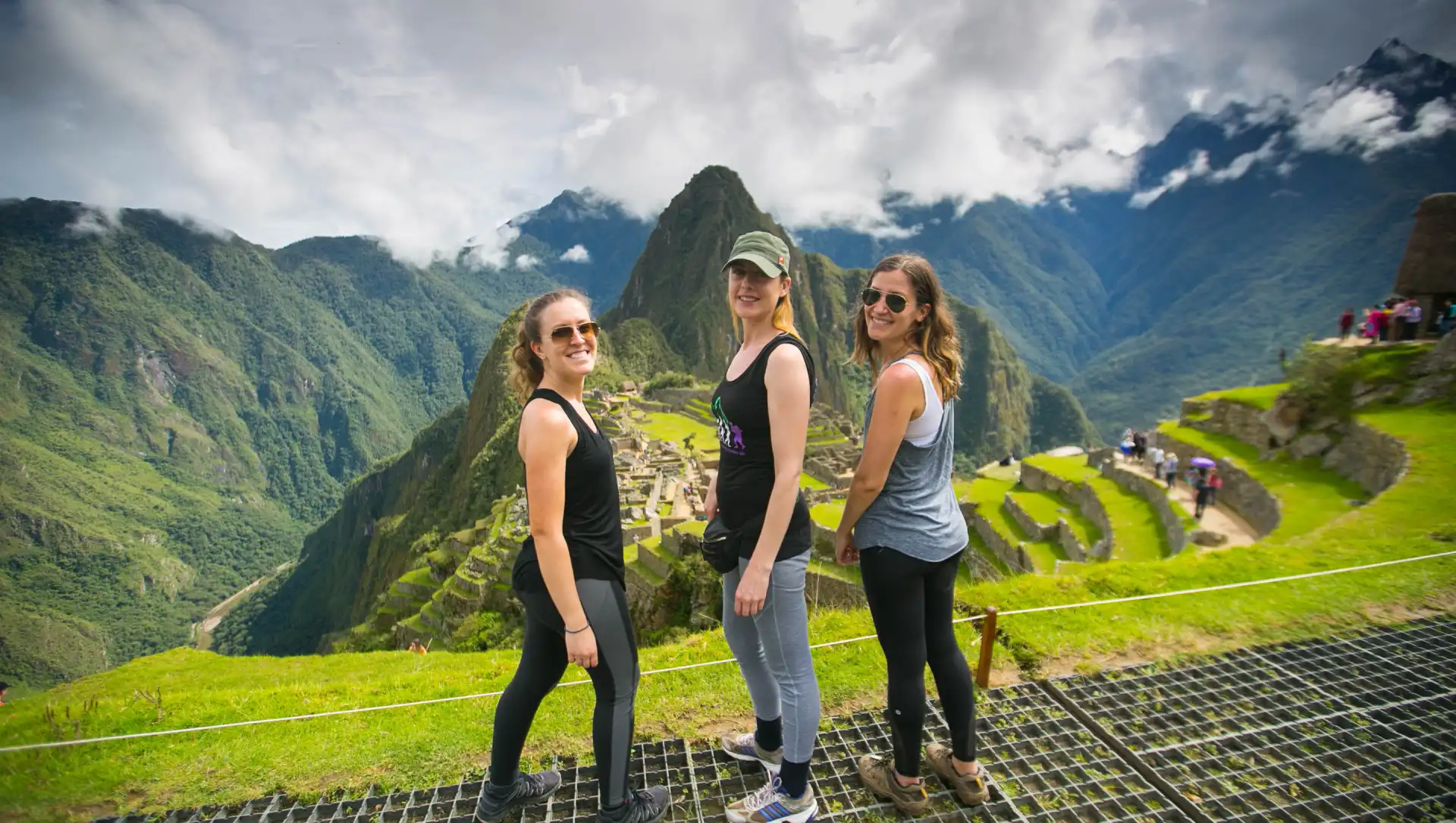
Inca Trail hikers arrive on foot through the Sun Gate and walk down to the site. Read more about the town in our Aguas Calientes guide.
Machu Picchu tickets: book before you travel#
You cannot enter without a ticket bought in advance for a specific date, entry time and circuit. Tickets are sold on the Ministry of Culture’s website, tuboleto.cultura.pe; they are nominal, so you need your passport number to buy them and your passport at the entrance, and they cannot be changed or refunded.
In 2026 the limit is 4,500 visitors a day, raised to 5,600 on the high-season dates, and the busy months sell out well in advance. In Aguas Calientes, up to 1,000 tickets a day are sold in person for the following day, from 3:00 pm and while they last. See how Machu Picchu tickets work and our guide to the circuits and routes.
Can you visit Machu Picchu on a day trip from Cusco?#
Yes, but it is a long day: about 4 hours each way by bus and train, plus the visit, so most of the day is travel. Many travelers spend a night in Aguas Calientes and visit the site early the next morning, when it is quieter. On foot, the 1-Day Inca Trail picks you up at your hotel at 4:00 am and has you back in Cusco at about 9:30 pm.
Which route is best for you?#
- Short on time: the train, with a night in Aguas Calientes if you can.
- You want to arrive on foot: the Inca Trail, booked months ahead because of the permits.
- Inca Trail permits are sold out: the Salkantay or Inca Jungle trek.
- Tight budget: the road to Hidroeléctrica and the walk along the railway.
Should you book a tour?#
You can do the train route on your own if you book the train, the bus and the Machu Picchu ticket for matching dates and times. A tour takes care of that coordination and adds a guide: our tours include the Machu Picchu entrance ticket and a guided visit, and the Inca Trail tours also include the permit, which only licensed operators can book. If you want Cusco, the Sacred Valley and Machu Picchu in one trip, see the Cusco Classic Tour or all our Machu Picchu hikes and tours.

Written by Joel Cárdenas Gonzales
Founder & CEOFounder and CEO of Southern Peru Explorers since 2009. Born in Cusco and trained as an official tour guide at Instituto Khipu. About the author