Table of Contents (14 Sections)
- 1 The Inca Jungle Trek at a glance
- 2 How difficult is the Inca Jungle Trek?
- 3 Is the Inca Jungle Trek safe?
- 4 Should I choose 3 or 4 days?
- 5 Do I need an Inca Trail permit?
- 6 Do I need experience for the rafting?
- 7 What is the best time to do the Inca Jungle Trek?
- 8 How long should I stay in Cusco before the trek?
- 9 What should I bring?
- 10 Do I need money during the trek?
- 11 Where do we sleep?
- 12 Can you cater for special diets?
- 13 How do we get back to Cusco?
- 14 How is it different from the Inca Trail?
The Inca Jungle Trek is a 3- or 4-day route from Cusco to Machu Picchu through the cloud forest, with a downhill bike ride, rafting, a zipline and walks. It is rated easy to moderate, needs no Inca Trail permit and costs USD 390 for 3 days or USD 420 for 4 days with us. These are the questions travellers ask us most often before they book.
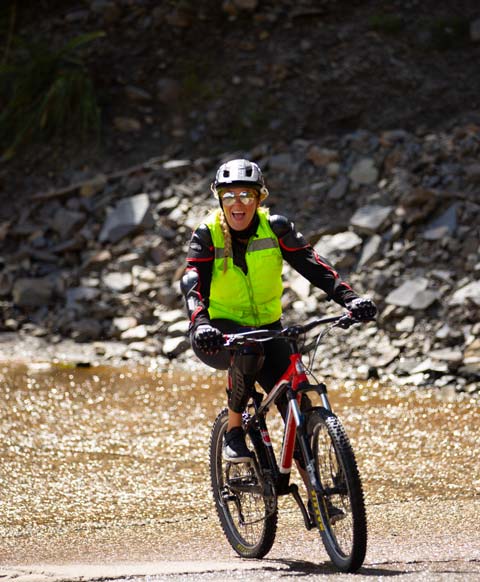
The Inca Jungle Trek at a glance#
| 3 days | 4 days | |
|---|---|---|
| Price (group, per person) | USD 390 (students 360) | USD 420 (students 390) |
| Bike ride | About 45 km downhill from Abra Málaga (4,300 m) to Huamanmarca, around 3 hours | The same |
| Rafting | About 2 hours, class III (April to December) | The same |
| Hiking | About 10 km from Hidroeléctrica to Aguas Calientes | Also a full day of about 18 km on an old Inca path to Santa Teresa |
| Zipline | In Santa Teresa | In Santa Teresa |
| Nights | Hotels in Santa Teresa and Aguas Calientes | A family house in Pispitayoc and hotels in Santa Teresa and Aguas Calientes |
| Difficulty | Easy to moderate | Easy to moderate |
| Group size | Up to 12 travellers | |
From our tour pages: Inca Jungle Trail 3 Days and Inca Jungle Trek 4 Days.
How difficult is the Inca Jungle Trek?#
It is one of the easiest routes to Machu Picchu. The highest point, Abra Málaga at 4,300 m, is where the bike ride starts, and you reach it by car; after that the route is downhill or at low altitude, and the hiking day on the 4-day tour reaches about 2,000 m. The hardest parts are the long hiking day (about 18 km and 8 hours, with ups and downs on the Inca path) and the heat and humidity of the forest. You need basic fitness, not trekking experience.
Is the Inca Jungle Trek safe?#
The activities are run with the right equipment and guides: a mountain bike with helmet, gloves and protective gear for the downhill ride, a life jacket and helmet for rafting with professional rafting guides, and a harness and helmet on the zipline. Our guides are trained in first aid and carry a medical kit and portable oxygen. Follow the guide’s instructions on the bike, ride at your own pace, and tell us about any medical condition when you book.
Should I choose 3 or 4 days?#
Choose 3 days if you are short of time: you do the bike ride, the rafting, the zipline and Machu Picchu. Choose 4 days if you want to walk: the extra day follows an old Inca path through coffee, coca and fruit farms, with a coffee tour with local families and a night in a family house. Both cost almost the same. Compare them in our Inca Jungle Trek guide.
Do I need an Inca Trail permit?#
No. The Inca Jungle Trek does not walk the Inca Trail, so it needs no permit, only a Machu Picchu ticket, which we book with the tour. That is why it can be booked at shorter notice, and why it runs in February, when the Inca Trail is closed.
Do I need experience for the rafting?#
No. The rafting is about 2 hours on class III rapids, with professional rafting guides and safety equipment, and no previous experience is needed. Rafting and the zipline are included in the price.
What is the best time to do the Inca Jungle Trek?#
The dry season, from May to September, has the most stable weather. From November to March is the rainy season: the forest is greener, but trails are muddier and it rains more often, so bring good rain gear. Rafting is closed from January to March, when the rivers are high; in 2026 the regional tourism office closed tourist rafting on the rivers of the Cusco region until 31 March. Landslides can also close the road over Abra Málaga or the path from Hidroeléctrica for a few days, so ask us about your dates. In the high season, from May to September, book 2 to 3 months ahead, because trains and Machu Picchu tickets sell out first.
How long should I stay in Cusco before the trek?#
At least two days, as for any trek from Cusco. The Inca Jungle Trek is lower than the other treks, but Cusco (3,400 m) and the start of the bike ride (4,300 m) are high, so give your body time to adjust. Read our guide to altitude sickness in Cusco.
What should I bring?#
- Your original passport: it is needed for the Machu Picchu ticket and the train.
- A small backpack; leave the rest of your luggage at our office in Cusco, where storage is free.
- Warm layers for the cold start at Abra Málaga, and light, quick-drying clothes for the forest.
- A rain jacket or poncho, comfortable walking shoes and sandals.
- Insect repellent, sunscreen, a hat and sunglasses.
- A swimsuit and a towel if you want to go to the Cocalmayo hot springs.
- A reusable water bottle and some snacks.
Do I need money during the trek?#
Yes, some soles in cash for the bus up to Machu Picchu (or you can walk up the steps), the entrance to the Cocalmayo hot springs, lunch on the last day, drinks and snacks, and tips for the guide and staff. See our guide to money in Cusco.
Where do we sleep?#
On the 3-day tour, in hotels in Santa Teresa and Aguas Calientes. On the 4-day tour, the first night is in the house of a local family in Pispitayoc, and the next two in hotels in Santa Teresa and Aguas Calientes.
Can you cater for special diets?#
Yes. Meals as listed in the itinerary are included, and we prepare vegetarian, vegan, gluten-free and other diets on request. Tell us when you book.
How do we get back to Cusco?#
By the Expedition train from Aguas Calientes to Ollantaytambo and our bus to Cusco, included in the price. You can also return by car via Hidroeléctrica (USD 20) if you have an early Machu Picchu entry. The options and prices are in our Inca Jungle prices and booking guide.
How is it different from the Inca Trail?#
The Inca Trail is a 4-day trek with camping on an Inca road, needs a permit booked months ahead and reaches 4,215 m on foot. The Inca Jungle Trek mixes biking, rafting, a zipline and walks, sleeps in hotels and needs no permit. See Inca Trail vs Inca Jungle and, for the Salkantay route, Inca Jungle vs Salkantay.

Written by Joel Cárdenas Gonzales
Founder & CEOFounder and CEO of Southern Peru Explorers since 2009. Born in Cusco and trained as an official tour guide at Instituto Khipu. About the author