This guide is continuously maintained and verified by our resident Andean mountain leaders, ensuring accurate permit guidance, altitude protocols, and route recommendations for travelers in Peru.
The currency in Cusco, as in the rest of Peru, is the sol (code PEN, symbol S/). Prices are in soles, and you will need soles in cash for markets, taxis, small shops and many entrance fees. US dollars are accepted in many hotels, restaurants and shops, usually with change given in soles. On 5 November 2026 one US dollar was worth about S/ 3.45 and one euro between S/ 3.71 and S/ 3.93, according to Peru’s central bank (BCRP).
Money in Cusco at a glance#
| Details | |
|---|---|
| Currency | Peruvian sol (PEN), written S/; 1 sol = 100 céntimos |
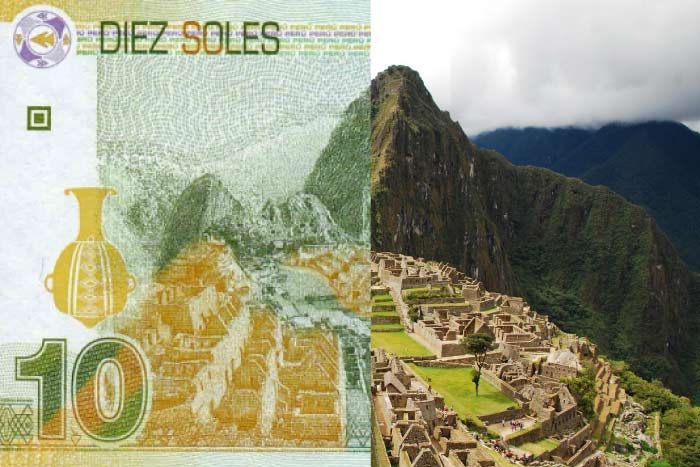
| Banknotes | S/ 10, 20, 50, 100 and 200 |
| Coins | 10, 20 and 50 céntimos; S/ 1, 2 and 5 |
| Exchange rate (BCRP, 5 November 2026) | US$ 1 = about S/ 3.45; € 1 = S/ 3.71 to 3.93 (buying and selling rates) |
| US dollars | Accepted in many hotels, restaurants and shops; change usually in soles |
| Cash needed for | Markets, taxis, small shops, community fees and some museums |
| Hotel tax | Foreign tourists can be exempt from the 18% IGV on lodging, with their passport |
Exchange rates change every day. Check the current rate on the BCRP website or your bank’s app before you change money.
Banknotes and coins#
Peru’s banknotes come in S/ 10, 20, 50, 100 and 200. Three series are legal tender at the same time: those of 1991, 2009 and the newest, from 2021, whose last note, the S/ 200, came out in December 2023. In February 2026 the central bank added a new version of the S/ 200 note with a wider security thread. The old currencies, the inti and the sol de oro, are no longer valid.
The central bank recommends checking every note, especially the large ones:
- Look at it against the light: the watermark appears.
- Tilt it: the colour-changing ink and the security thread move and change colour.
- Touch it: the printing of the main image and the value is raised.
The UK Foreign Office warns that counterfeit US and Peruvian notes circulate in Peru, and that street money changers in the tourist areas of Cusco have passed old intis to travellers.
Where to change money#
- Change money at a bank or an exchange house (casa de cambio), and count it before you leave the counter.
- Avoid street money changers, for the reasons above.
- Rates at airports and hotels are usually less favourable.
ATMs and cards#
ATMs are easy to find in the centre of Cusco, around the Plaza de Armas and along Avenida El Sol, and they give soles and, at many machines, US dollars. Peruvian banks may charge a fee to foreign cards, and your own bank may add its own; read the fee on the screen before you accept. For safety, use ATMs inside banks or shopping centres and withdraw in daylight.
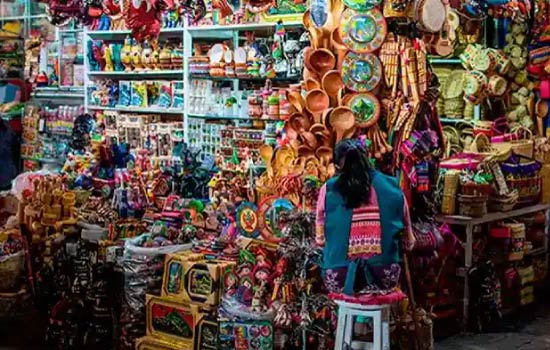
Cards, usually Visa and Mastercard, are accepted in most hotels, restaurants, shops and travel agencies in the centre. Keep cash for markets such as San Pedro, for taxis and buses, for small shops and for fees paid in villages. Machu Picchu tickets bought online on the Ministry of Culture’s platform are paid by card, and in October 2026 foreign cards paid a fee of 4.69%.
The hotel tax exemption for foreign tourists#
Peruvian hotels add 18% IGV (sales tax) to their prices, but lodging for foreign tourists, including meals served at the hotel, can be exempt when you stay up to 60 days. The hotel must be registered for it with the tax authority (SUNAT) and keep a copy of your passport and your immigration record (Ley del IGV, article 33, and Supreme Decree 122-2001-EF). Show your passport at check-in and ask whether the rate includes IGV.
What you pay in soles: official prices#
| Entrance (foreign adult, 2026) | Price |
|---|---|
| Machu Picchu, citadel | S/ 152 |
| Machu Picchu with Huayna Picchu, Machu Picchu Mountain or the Great Cavern | S/ 200 |
| Cusco Tourist Ticket (Boleto Turístico), full | S/ 130 |
| Cusco Tourist Ticket, one circuit | S/ 70 |
| Museo Inka (cash only) | S/ 20 |
| Maras salt pans (cash) | S/ 20 |
Sources: Ministry of Culture (Machu Picchu), COSITUC (Tourist Ticket), the Museo Inka and press reports on the salt pans. More on these in our guides to Machu Picchu tickets, Cusco’s museums and Maras and Moray.
Tips for money in Cusco#
- Carry small notes and coins: taxis, market stalls and public toilets may not have change for S/ 100 or S/ 200.
- Keep cash and cards in different places, and carry only what you need for the day.
- Tell your bank you are travelling to Peru, so that it does not block your card.
- On treks such as the Inca Trail or Salkantay there are no ATMs: take soles for drinks, snacks and tips before you leave Cusco.
Paying for our tours#
Our tour prices are in US dollars per person, and each tour page lists what is included, such as entrance tickets, trains and meals, and what you pay on the way. See the costs of our most popular treks in our guides to Inca Trail prices and Salkantay Trek prices, or ask us about your trip.
Frequently asked questions#
Should I bring US dollars or soles to Cusco?
Both work. Many hotels, restaurants and shops accept dollars, but you get a better deal and fewer problems paying in soles. Bring some dollars to change and use cards or ATMs for the rest.
How much is one US dollar in soles?
On 5 November 2026, about S/ 3.45, according to the BCRP. The rate changes daily.
Can I pay by card in Cusco?
Yes, in most hotels, restaurants, shops and agencies in the centre. Markets, taxis, small shops and many entrance fees are cash only.
Where is the best place to change money in Cusco?
At a bank or an exchange house in the centre. Avoid street money changers and check every note.

Written by Joel Cárdenas Gonzales
Founder & CEOFounder and CEO of Southern Peru Explorers since 2009. Born in Cusco and trained as an official tour guide at Instituto Khipu. About the author