Cusco’s food is Andean cooking built on maize, potatoes, pork and guinea pig. The dishes to try are chiriuchu, the city’s emblematic cold dish of Corpus Christi; cuy al horno, roast guinea pig; adobo, pork stewed in chicha; chicharrón, fried pork; lechón, roast suckling pig; and the giant white corn of Cusco with fresh cheese. To drink, there is chicha, the maize beer of the picanterías, chicha morada and coca tea. You can eat them in the markets and picanterías, in the villages around Cusco that specialise in one dish, and in the restaurants of the historic centre.
What to eat in Cusco#
| Dish | What it is | Where and when |
|---|---|---|
| Chiriuchu | A cold platter of guinea pig, hen and a maize tortilla, among other ingredients | Cusco’s emblematic dish, eaten above all at Corpus Christi, in May or June |
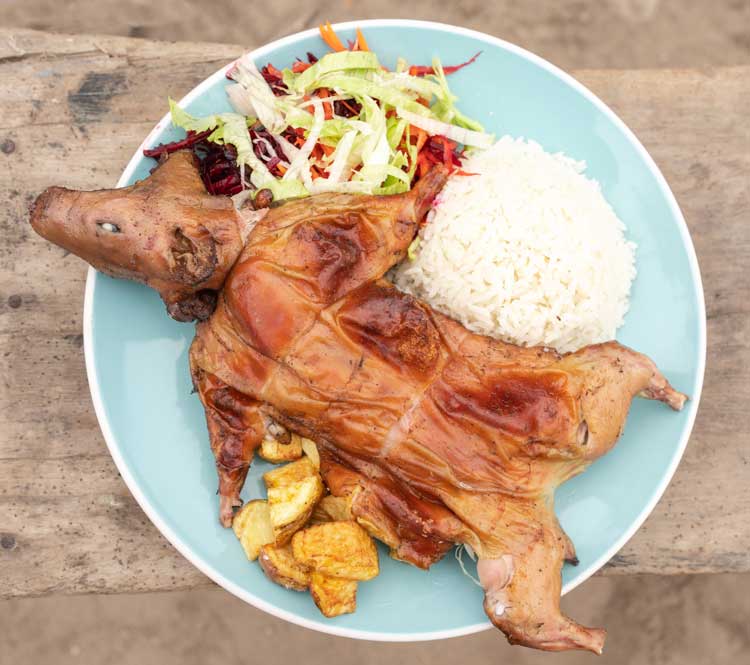
| Cuy al horno | Whole guinea pig roasted in a wood oven | Tipón, south-east of Cusco, is known for it |
| Chicharrón | Pork fried in its own fat | Saylla, about 30 minutes from Cusco, and Poroy |
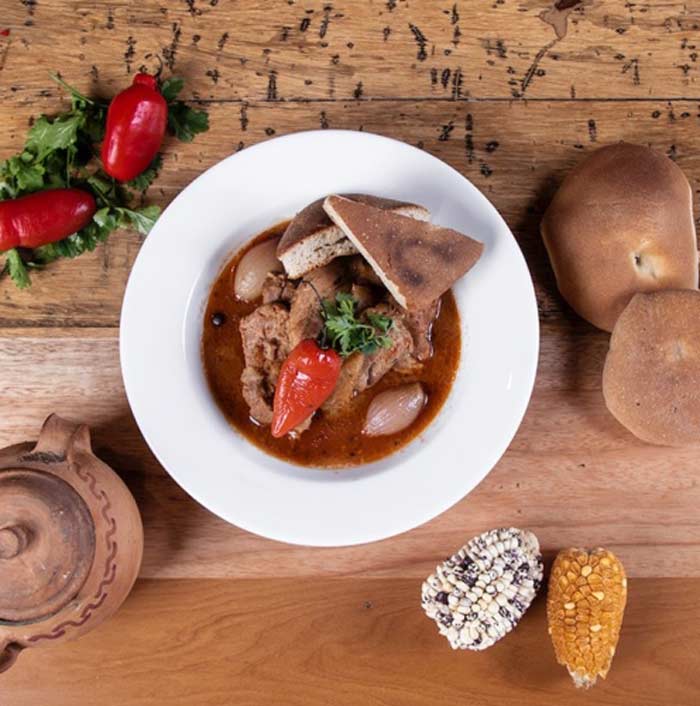
| Adobo cusqueño | Pork cooked slowly in chicha, ají panca chilli and spices | Picanterías and markets in Cusco |
| Lechón | Roast suckling pig with tamales and bread | The dish of All Saints’ Day, 1 November |
| Choclo con queso | The giant white corn of Cusco with fresh cheese | Markets and roadside stalls, best from December to March |
| Trucha frita | Fried trout with potatoes, corn and salad | Restaurants and picanterías |
| Pan chuta | A large, round wheat bread | Oropesa, Peru’s official “capital of bread” |
Descriptions from PromPerú (peru.travel), the news agency Andina and the Ministry of Culture.
The dishes in more detail#
Chiriuchu
Chiriuchu means “cold chilli” in Quechua. It is a cold platter that combines roast guinea pig, hen and a maize tortilla with other ingredients, and it is the dish of Corpus Christi. PromPerú calls it the “flagship dish” of Cusco.
Cuy al horno
Guinea pig has been raised for food in the Andes since long before the Incas. In Cusco it is roasted whole in a wood oven. Tipón, in the Oropesa district, on the road south-east of Cusco, is the best-known place to eat it; it is next to the Inca site of the same name, described in our guide to the archaeological sites in Cusco.
Chicharrón, adobo and lechón
Pork is at the centre of Cusco cooking. Chicharrón, pieces of pork fried in their own fat, comes from Saylla, which holds a chicharrón festival around Peru’s national holidays at the end of July. Adobo is pork stewed slowly in chicha de jora, ají panca chilli and local spices. Lechón, roast suckling pig with tamales and bread, is what families eat on All Saints’ Day, 1 November.
Corn, bread and trout
The giant white corn of Cusco has had a protected designation of origin since 2005, as “Maíz Blanco Gigante Cusco”. It is eaten as choclo con queso, the cob with a slice of fresh cheese, and in lawas, thick soups of maize. Oropesa, south-east of Cusco, bakes pan chuta, a large round loaf; a law of 2022 made the town Peru’s national capital of bread. Trout from the Andean lakes and rivers is served fried with potatoes, corn and salad.
What to drink#
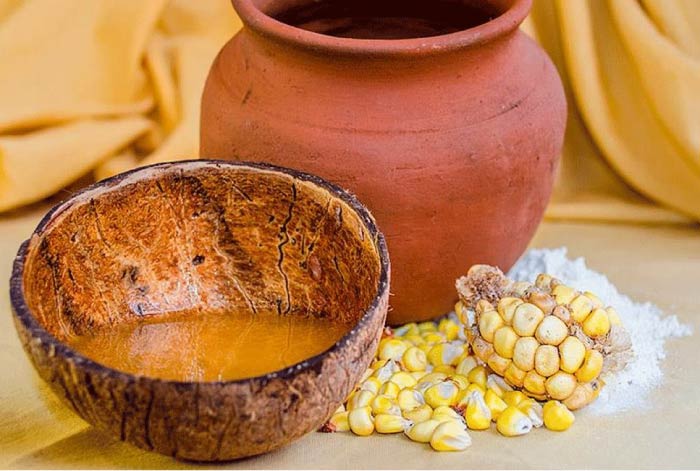
- Chicha de jora, a maize beer, is made in Cusco from sprouted maize (wiñapu) and served in picanterías and chicherías. The Ministry of Culture declared the picanterías and chicherías of Cusco Cultural Heritage of the Nation in 2015.
- Frutillada is chicha mixed with a local strawberry, sold from about November.
- Chicha morada, a sweet, non-alcoholic drink of purple corn, is served everywhere.
- Mate de coca, coca-leaf tea, is offered in hotels and is what locals drink against altitude sickness. Read our guide to Cusco’s elevation and altitude sickness.
Where to eat in Cusco#
Markets
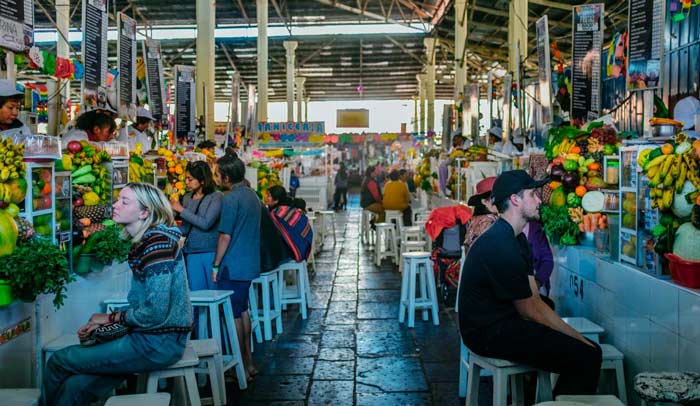
The San Pedro market, a few blocks from the Plaza de Armas, has food stalls with set lunches, soups and fresh fruit juices, at local prices. It opens Monday to Saturday from 6:00 a.m. to 6:00 p.m. and on Sundays until 4:00 p.m. See our guide to Cusco’s markets.
Picanterías and the villages around Cusco
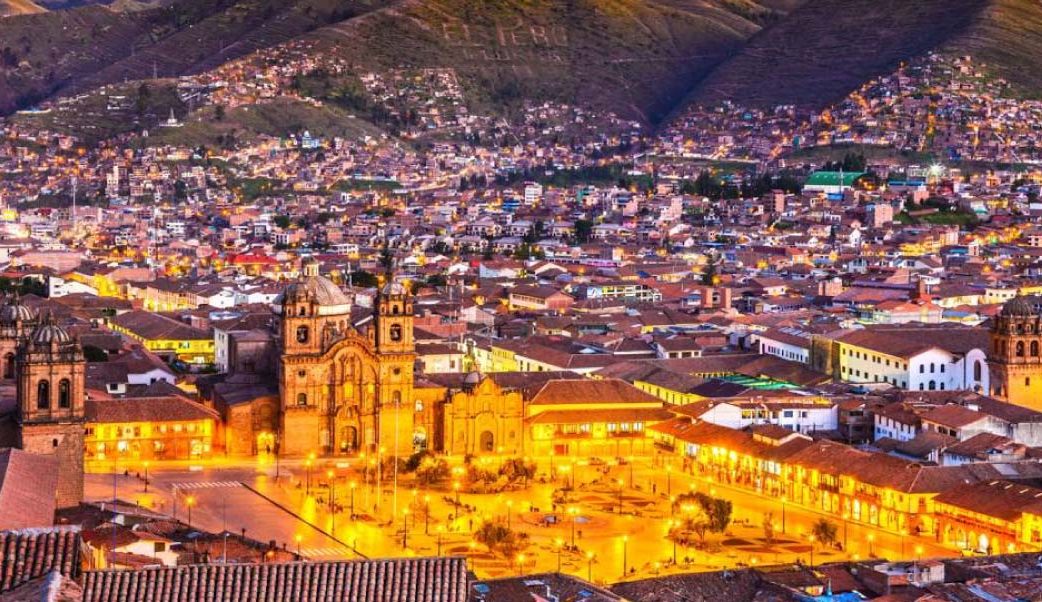
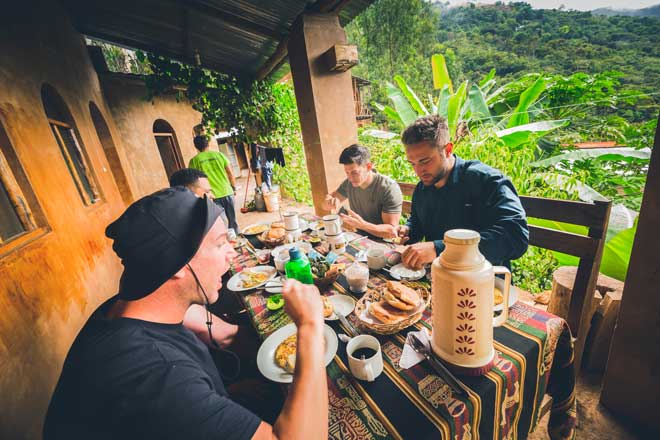
Picanterías are the traditional eating houses of Cusco, serving chicha and dishes such as adobo and chiriuchu. Along the road south-east of the city, each village is known for one dish: chicharrón in Saylla, cuy in Tipón, bread in Oropesa and roast duck in Lucre. It is an easy half-day trip, which you can combine with the Inca site of Tipón.
Restaurants and bars in the centre
These places in the historic centre were open in November 2026 (opening hours change, so check before you go):
- Limo: Nikkei cooking, Peruvian with Japanese technique, on the Plaza de Armas.
- Morena Peruvian Kitchen: Peruvian dishes with a modern presentation.
- Green Point: a vegan restaurant in San Blas.
- Jack’s Café: breakfasts and Western food, now at Ruinas 493.
- República del Pisco: a pisco bar and restaurant.
- Limbus and View House: bars with views over the city.
- KM0: a small bar with live music.
- Wild Rover: an Irish pub in a hostel, for a late night out.
- Hanz and Los Perros: casual food and drinks.
Outside the city, Mil, at the Moray terraces in the Sacred Valley, was the only restaurant in the Cusco region on the Latin America’s 50 Best Restaurants list of 2025, at number 49. Book well ahead.
Tips for eating in Cusco#
- On your first day at altitude, eat light meals and drink plenty of water or coca tea.
- Drink bottled or boiled water, not tap water.
- Markets and picanterías are cheaper than the restaurants on the Plaza de Armas.
- Many places take cards, but carry soles for markets and villages: see our guide to money in Cusco.
- Vegetarians and vegans have plenty of choice in San Blas and the centre.
Food on our tours#
On our camping treks, such as the Inca Trail and the Salkantay Trek, a cook travels with the group and prepares the meals, and lunch on the Sacred Valley day of the Cusco Classic Tour: 5 Days is a buffet of Andean dishes in Urubamba. Tell us about vegetarian, vegan or other diets when you book. Our Cusco travel guide has more ideas for your days in the city.
Frequently asked questions#
What is the typical food of Cusco?
Chiriuchu, cuy al horno, adobo, chicharrón, lechón and choclo con queso, with chicha to drink. Most are based on maize, potatoes, pork and guinea pig.
Where can I try guinea pig (cuy) near Cusco?
Tipón, south-east of Cusco, is famous for cuy al horno. In the city it is on the menu of many Peruvian restaurants.
What is chicha?
Chicha de jora is a traditional maize beer, made in Cusco from sprouted maize. Chicha morada is a different, non-alcoholic drink of purple corn.
Is there vegetarian food in Cusco?
Yes. There are vegan and vegetarian restaurants in San Blas and the centre, and Andean dishes such as choclo con queso and maize soups are meat-free.

Written by Joel Cárdenas Gonzales
Founder & CEOFounder and CEO of Southern Peru Explorers since 2009. Born in Cusco and trained as an official tour guide at Instituto Khipu. About the author