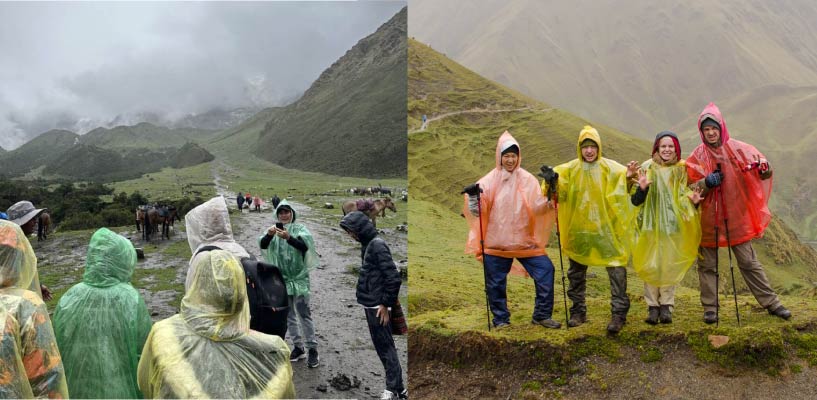
Cusco’s rainy season runs from about November to March, with the heaviest rain from December to March; January is the wettest month, with about 156 mm on average according to Peru’s weather service, SENAMHI. It rarely rains all day: showers come mostly in the afternoon and at night, so you can plan outdoor visits for the morning and keep indoor plans for later. Below are 10 things to do in Cusco when it rains, plus what changes for treks and tours in these months.
Cusco weather in the rainy season#
| Month | Average rainfall | Average high | Average low |
|---|---|---|---|
| November | 79 mm (3.1 in) | 22 °C (71 °F) | 6 °C (43 °F) |
| December | 110 mm (4.3 in) | 21 °C (70 °F) | 7 °C (44 °F) |
| January | 156 mm (6.1 in) | 20 °C (68 °F) | 8 °C (46 °F) |
| February | 120 mm (4.7 in) | 20 °C (68 °F) | 7 °C (45 °F) |
| March | 102 mm (4.0 in) | 20 °C (68 °F) | 7 °C (44 °F) |
| July (dry season, for comparison) | 3 mm (0.1 in) | 21 °C (69 °F) | −2 °C (29 °F) |
Source: SENAMHI, Cusco climate averages. Days are mild and nights are less cold than in the dry season, but the sun is strong at 3,400 m even on cloudy days.
10 things to do in Cusco in the rainy season#
1. Visit Cusco’s museums
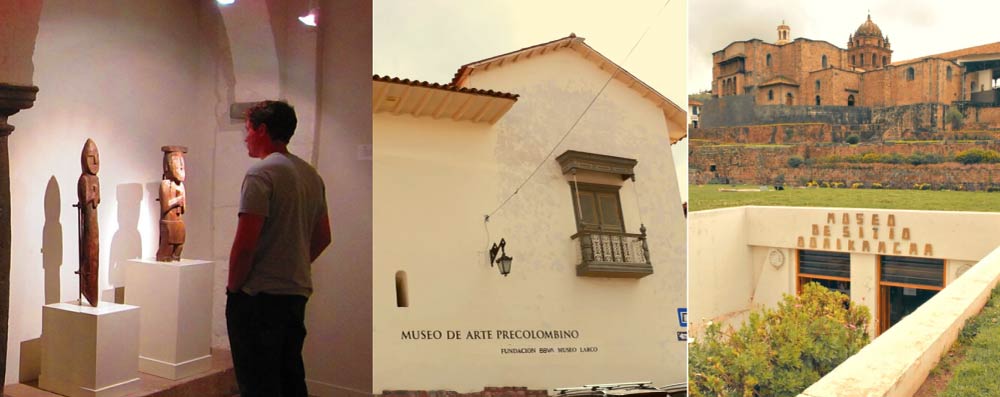
Museums are the obvious plan for a wet afternoon. The Museum of Pre-Columbian Art, the Inca Museum and the Museum of Religious Art in the Archbishop’s Palace are all in the historic center, a short walk from the Plaza de Armas. See what each one shows in our guide to the best museums in Cusco.
2. Tour the colonial churches
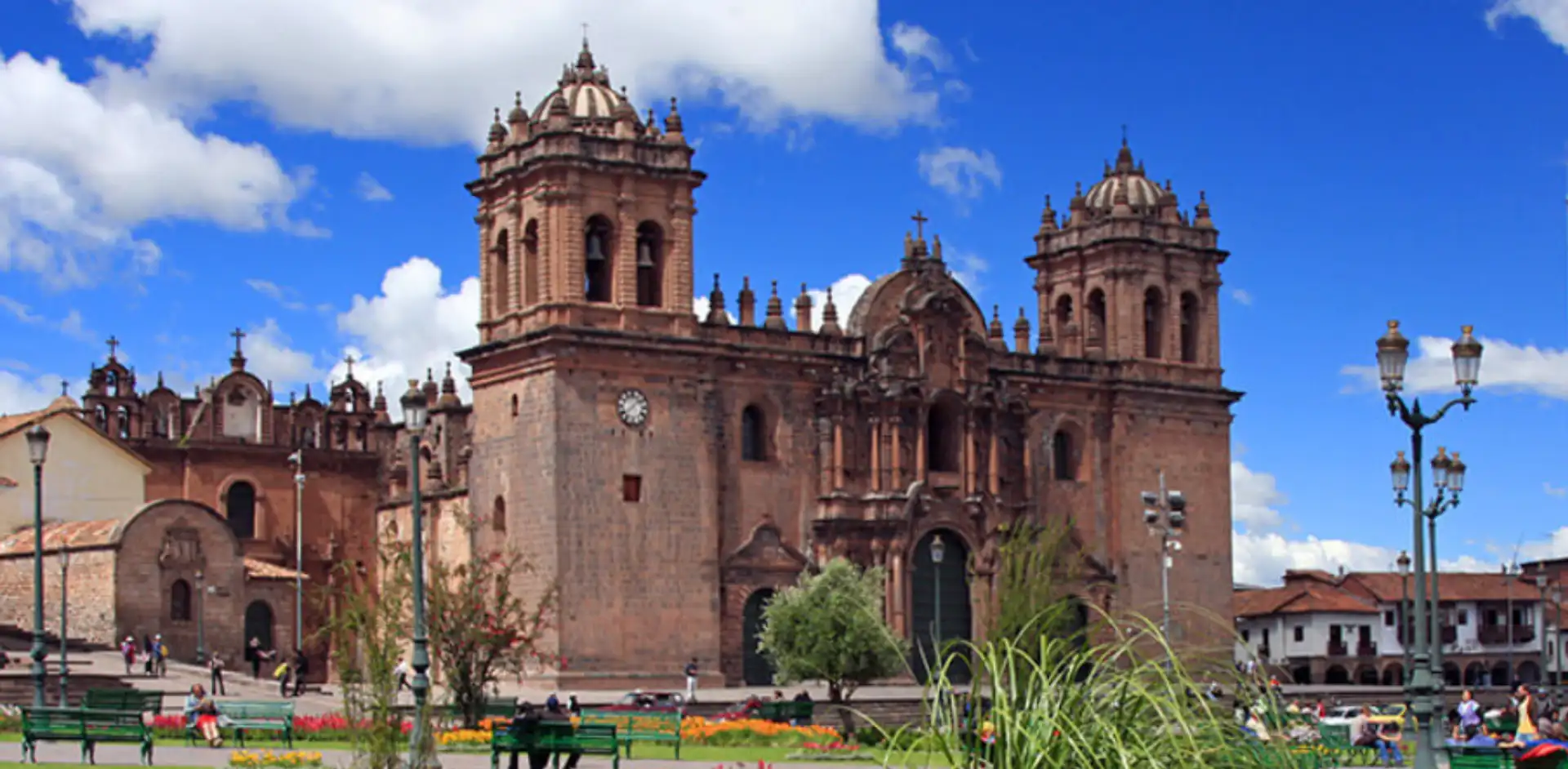
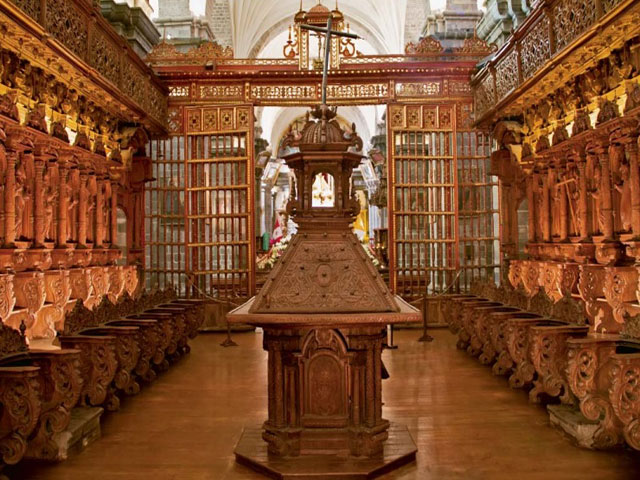
The Cathedral, La Compañía de Jesús, San Blas and the other colonial churches are full of gold-leaf altars, carved wood and paintings of the Cusco School, and they are a good refuge when it rains. Read about each one in our guide to the most famous churches in Cusco.
3. Wander the San Pedro Market
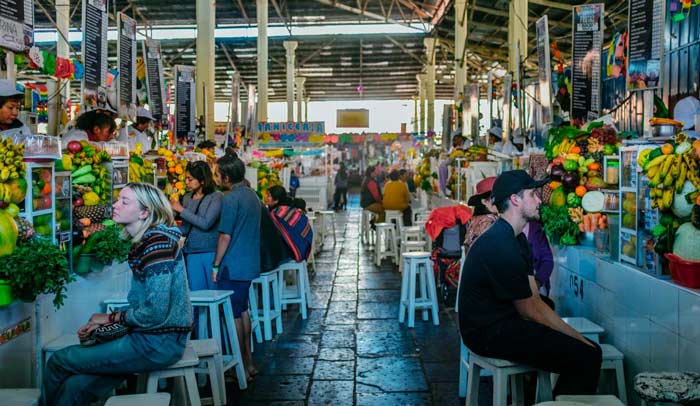
San Pedro is Cusco’s main covered market, a few blocks from the Plaza de Armas. Locals do their daily shopping here, and you can try fresh fruit juices, soups and set lunches at the food stalls, or buy textiles and souvenirs. More markets in our guide to Cusco markets.
4. Warm up in a café
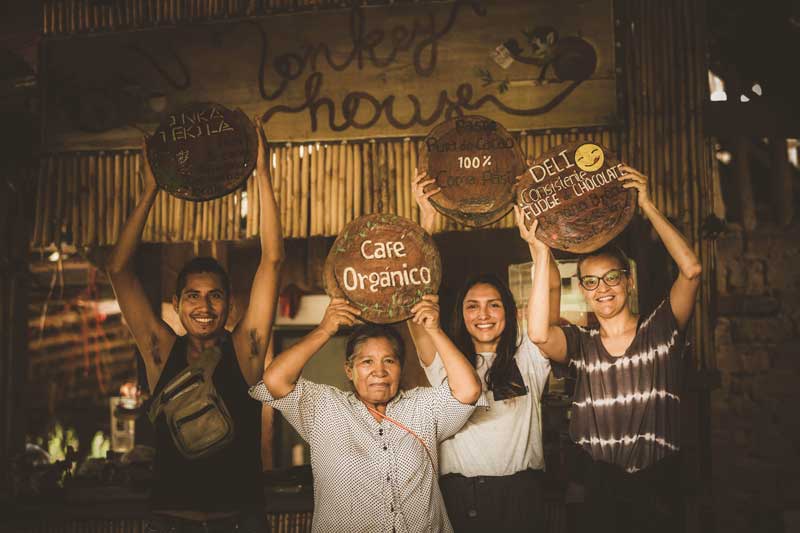
Cusco has many small cafés serving Peruvian coffee and hot chocolate, often from the valleys of La Convención province, around Quillabamba, on the way to the Amazon. Some also sell local crafts. Our Cusco food guide has ideas for where to eat and drink.
5. Take a cooking class
A Peruvian cooking class is a good way to spend a rainy afternoon. Most classes start with a visit to a market to buy ingredients and teach dishes such as ceviche, lomo saltado, causa or ají de gallina, and often a pisco sour.
6. Learn a traditional craft
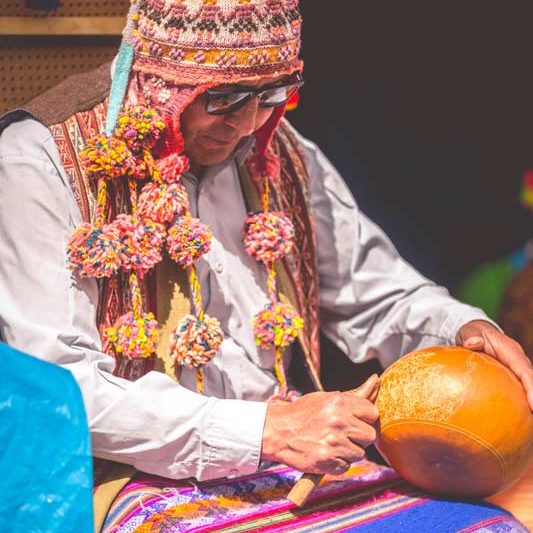
Textiles, ceramics and carved gourds are still made in Cusco and the nearby villages. In Chinchero, weaving centers show how wool is spun, dyed with plants and woven on backstrap looms, and some ceramics workshops offer short classes. See our Chinchero guide.
7. Take a day trip to the Sacred Valley
The rain usually holds off until the afternoon, so a morning in the Sacred Valley works well: the markets and terraces of Pisac, the Inca town of Ollantaytambo and the Maras salt pans and Moray terraces. The valley is greener than at any other time of year. Read all about the Sacred Valley.
8. Soak in the hot springs
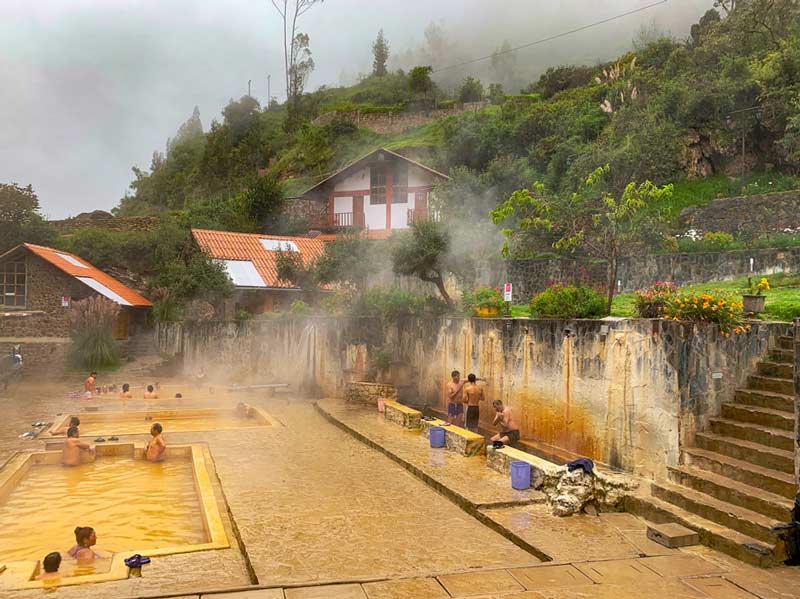
The Lares hot springs are about 1 hour 30 minutes by road from Calca, in the Sacred Valley, or 2.5 to 3.5 hours from Cusco, and our Lares Trek stops there. The Cocalmayo hot springs, near Santa Teresa, are on the Inca Jungle route to Machu Picchu.
9. Visit Machu Picchu
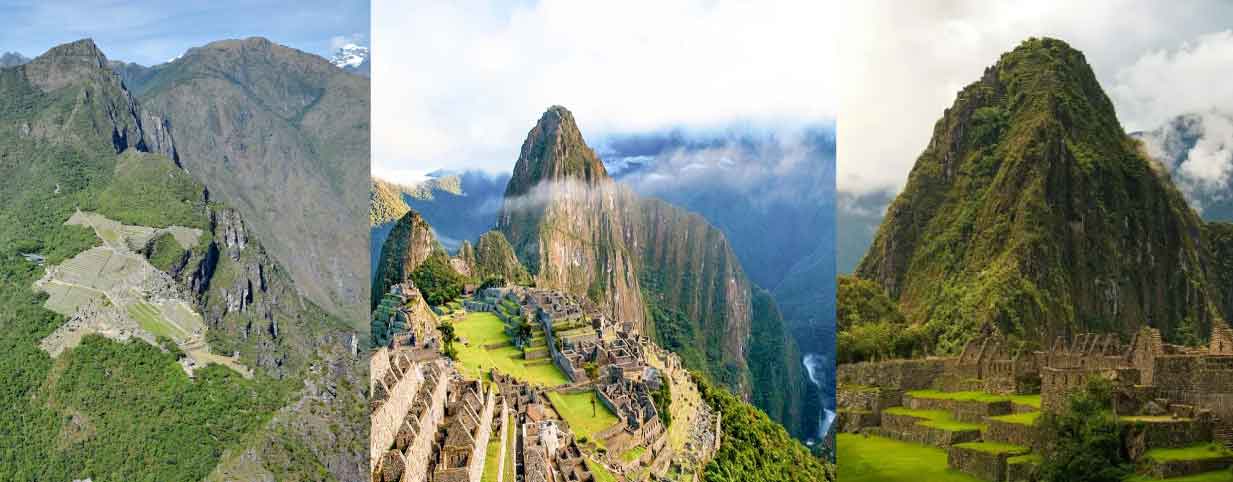
Machu Picchu is open all year. In 2027, apart from the first days of January, Holy Week and the end of December, the rainy months are outside the high-season dates set by the Ministry of Culture, and mist over the ruins is common in the mornings. Bring a rain jacket or poncho. Plan the trip with our guide on how to get to Machu Picchu.
10. Go trekking with the right gear
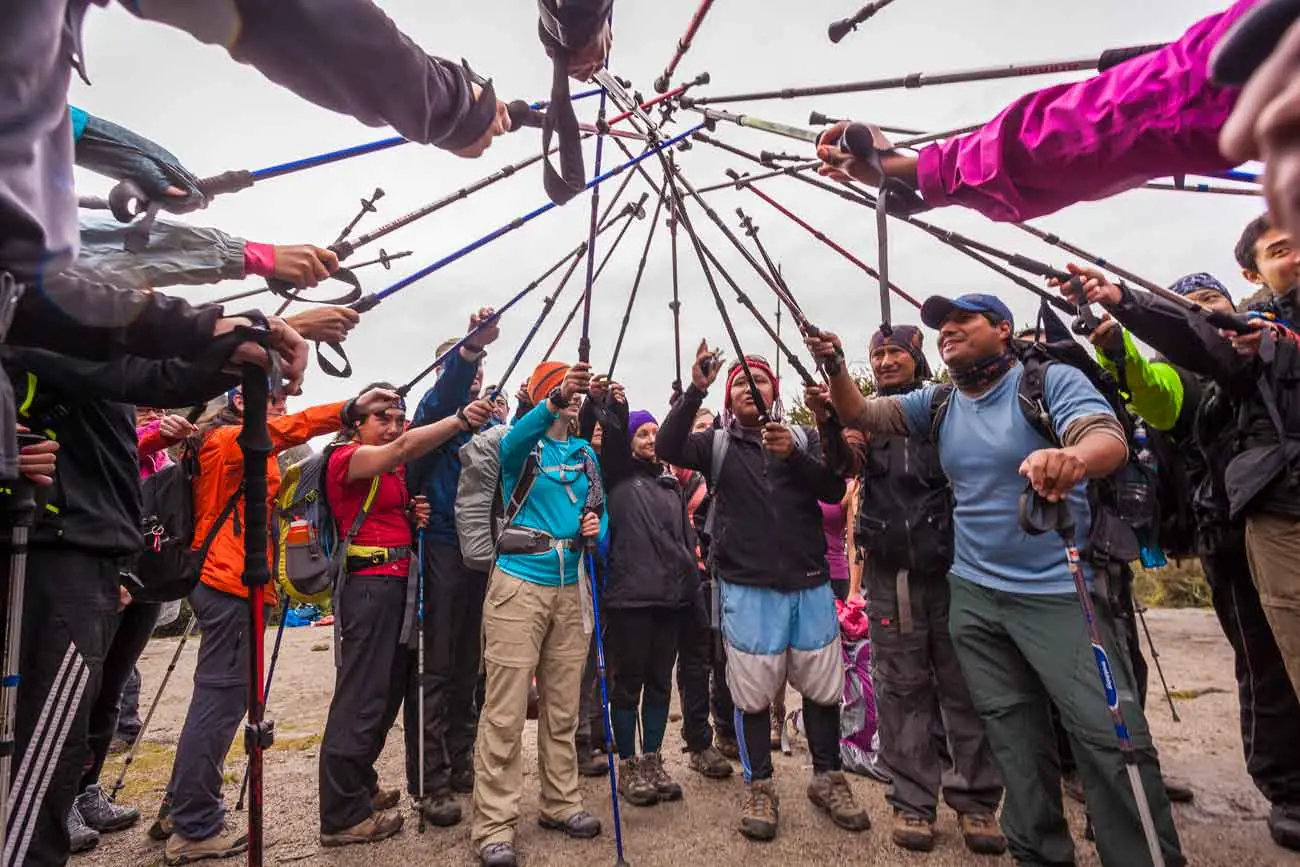
Treks run in the rainy season, with mud and fog but greener landscapes. The Inca Trail closes every February for maintenance; in February you can choose the Salkantay, the Inca Jungle or the Lares Trek instead. See our guide to the Inca Trail in the rainy season and all the treks to Machu Picchu.
What can change in the rainy season#
- Inca Trail: closed every February. In 2025 heavy rain and landslides kept it closed until 31 March; in 2026 it reopened on 1 March.
- Humantay Lake: visits were suspended after landslides in March 2025 and in February 2026.
- Rainbow Mountain: snow can cover the colors between November and April, and the authorities review access after heavy snowfall.
- Choquequirao: entry was suspended from 1 February 2026 by the Ministry of Culture.
What to pack#
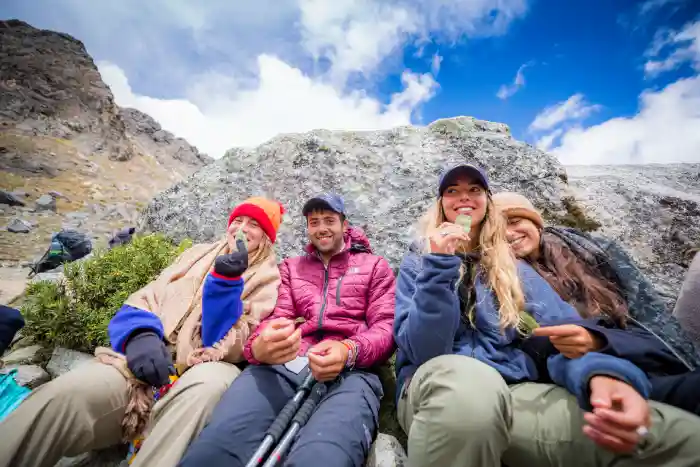
- A waterproof jacket and a light poncho for treks.
- Waterproof shoes or boots with good grip: the stone streets and steps are slippery when wet.
- Layers: warm in the sun, cold in the shade and at night.
- Sunscreen, sunglasses and a hat for the strong sun between showers.
- A dry bag or plastic bags for your phone and documents.
Frequently asked questions#
Is it worth visiting Cusco in the rainy season?
Yes, if you plan around the weather. Mornings are often dry, the landscapes are green, and outside the holidays there are fewer visitors than in the dry season. January and February are the wettest months.
Does it rain all day in Cusco in the rainy season?
Not usually. Rain comes mostly in the afternoon and at night, often as heavy showers, although some days are wet from morning.
What is the wettest month in Cusco?
January, with about 156 mm of rain on average, followed by February and December.
Is Machu Picchu open in the rainy season?
Yes. Machu Picchu is open all year. What closes in February is the Inca Trail, the hiking route to Machu Picchu.

Written by Joel Cárdenas Gonzales
Founder & CEOFounder and CEO of Southern Peru Explorers since 2009. Born in Cusco and trained as an official tour guide at Instituto Khipu. About the author