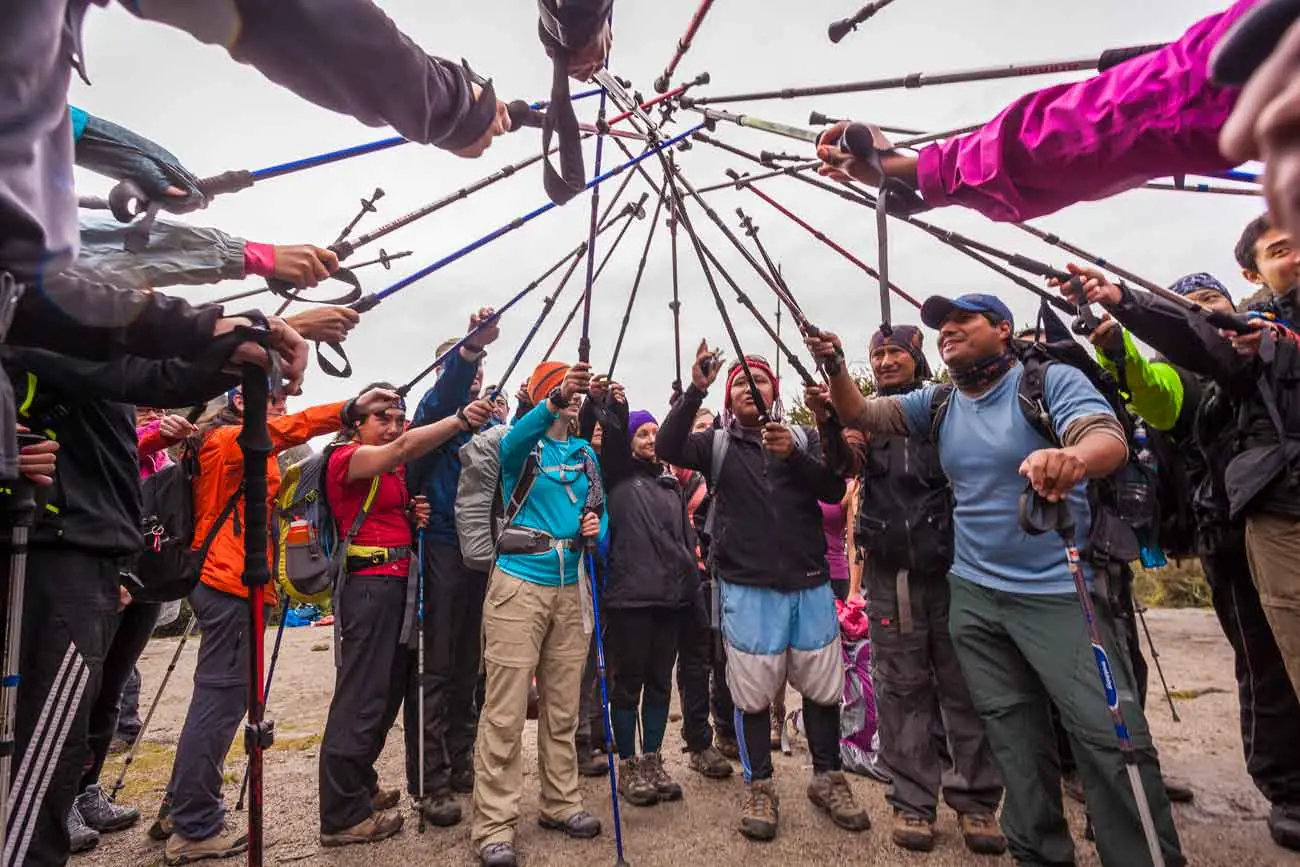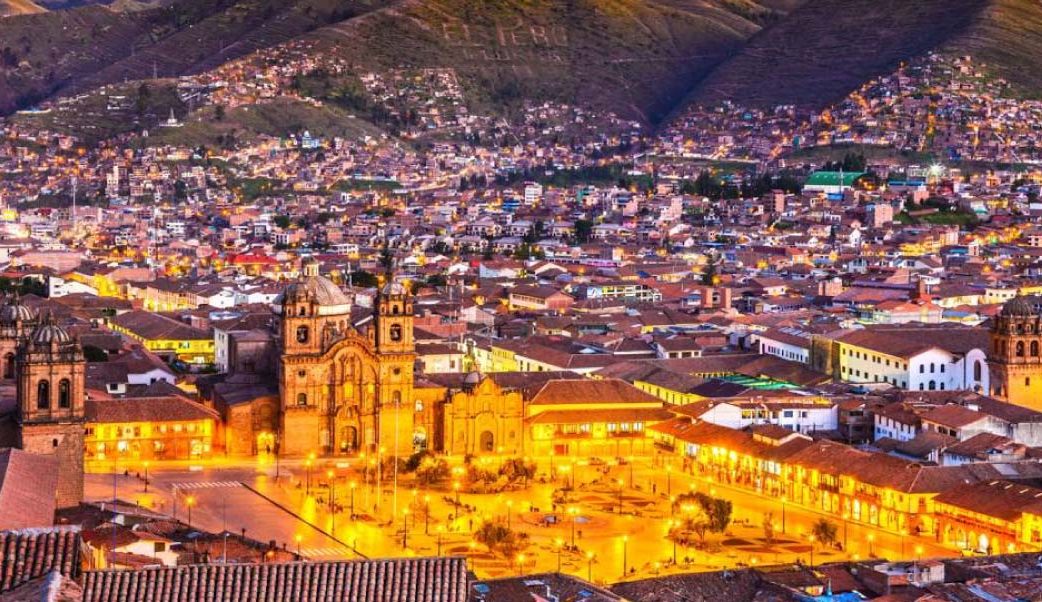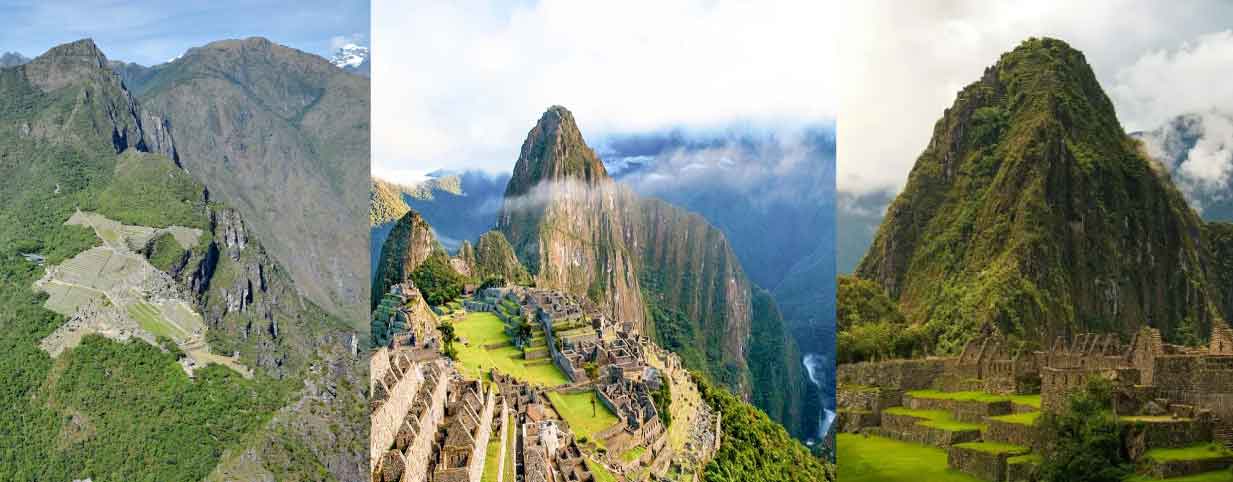
The rainy season on the Inca Trail runs from about November to March, and the trail closes every February for maintenance. You can hike it in November, December, January and March, with more mud, fog and slippery stone steps, but greener landscapes and a quieter trail than in the dry season. Sometimes the rain extends the closure: in 2025 heavy rain and landslides kept the trail closed until 31 March. Here is what to expect month by month, how to prepare and what to do if you travel in February.
The rainy season month by month#
| Month | Average rain in Cusco | Inca Trail |
|---|---|---|
| November | 79 mm (3.1 in) | Open. The rains begin. |
| December | 110 mm (4.3 in) | Open. Wetter than November. |
| January | 156 mm (6.1 in) | Open. The wettest month: expect mud and fog. |
| February | 120 mm (4.7 in) | Closed for maintenance. No permits are issued. |
| March | 102 mm (4.0 in) | Usually reopens on 1 March, unless the closure is extended. |
Rainfall: SENAMHI averages for Cusco. The trail goes from 4,215 m at Dead Woman’s Pass down to the cloud forest around Wiñay Wayna, so on the same day you can have cold rain at altitude and warm, humid air lower down. Compare all twelve months in our guide to the best time to hike the Inca Trail.
The February closure#
Every February the Inca Trail network inside the Historic Sanctuary of Machu Picchu closes for maintenance and conservation work. In 2026 it closed on 31 January and reopened on 1 March. When the rains are heavy the closure can last longer: in 2025 it was extended twice, first to 15 March and then to 31 March, and the trail reopened on 1 April with some restrictions.
Machu Picchu itself stays open in February. If you travel that month, you can go by train or choose a route that does not use the Inca Trail, such as the Salkantay Trek, the Inca Jungle Trek or the Lares Trek. Compare them in our guide to treks to Machu Picchu. In Cusco itself, see our things to do in the rainy season.
What the trail is like in the rain#
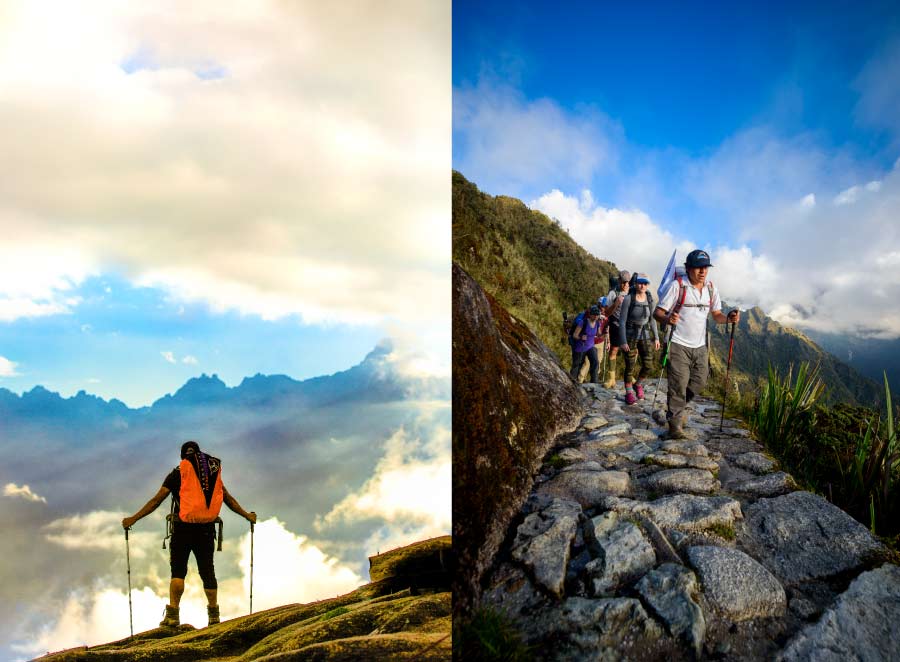
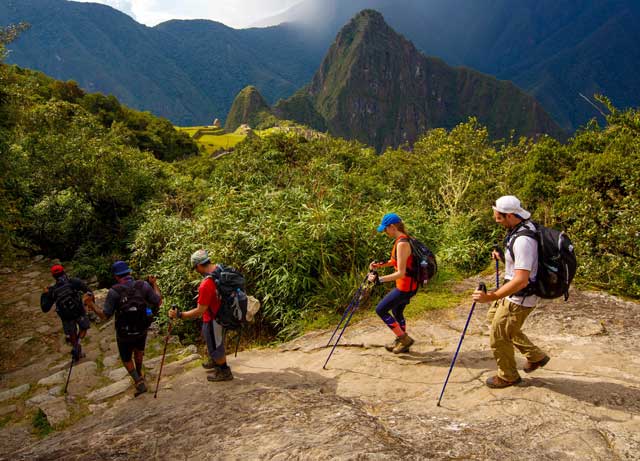
- Slippery stone steps: the Inca paving and the long staircases, especially on the descent from Dead Woman’s Pass and from Phuyupatamarca, are slippery when wet. Trekking poles help.
- Fog and clouds: views from the passes can disappear for hours and come back suddenly.
- Cold, wet nights: the campsites are high, and clothes dry slowly. Keep a dry set for the evening.
- Landslides: after heavy rain some sections can be damaged; the authorities close or divert them, and your guide will tell you if the route changes.
Advantages of hiking in the rainy season#
- A quieter trail: the busiest months on the Inca Trail are in the dry season, from May to September.
- Greener landscapes: the mountains, terraces and cloud forest are at their greenest.
- Milder nights: in Cusco the average low in January is about 8 °C, against −2 °C in July.
- Atmosphere: clouds moving over the ruins and the Sun Gate make for memorable photos when they clear.
What to pack for the rainy season#
- A good waterproof jacket and rain trousers, plus a poncho that covers your daypack.
- Waterproof hiking boots that are already broken in.
- A rain cover for your backpack and dry bags or plastic bags for clothes, phone and documents.
- Quick-drying layers and a warm, dry set of clothes for the campsite.
- Trekking poles, with rubber tips.
- Sunscreen and a hat: between showers the sun is strong at altitude.
See our full list in preparing for the Inca Trail.
Booking the Inca Trail in the rainy season#
Permits are still limited and must be booked in advance, and the dates around Christmas, New Year and Easter are busy. Spend at least two days in Cusco or the Sacred Valley before you start; see our guide to altitude sickness in Cusco. Our Classic Inca Trail 4 Days and the Short Inca Trail 2 Days include the permit; read how permits work in our Inca Trail permits guide.
Frequently asked questions#
Can you hike the Inca Trail in the rainy season?
Yes, in November, December, January and March. The trail is closed in February, and the closure can be extended if heavy rain damages the paths.
When does the Inca Trail close?
Every February, for maintenance. It usually reopens on 1 March; in 2025 the closure was extended to 31 March because of heavy rain and landslides.
Is January a good month for the Inca Trail?
It is the wettest month, with about 156 mm of rain in Cusco, so expect mud, fog and wet days. With good rain gear it is possible, and the trail is quieter than in the dry season.
What is the difference between the dry and the wet season on the Inca Trail?
The dry season, from May to September, has clear skies, cold nights and more hikers; April and October are good shoulder months. The wet season, from November to March, brings rain, fog and mud, milder nights, greener scenery and the February closure.

Written by Joel Cárdenas Gonzales
Founder & CEOFounder and CEO of Southern Peru Explorers since 2009. Born in Cusco and trained as an official tour guide at Instituto Khipu. About the author