Table of Contents (5 Sections)
These are the questions travellers ask us most often when they plan a trip to Peru with a trek to Machu Picchu: how to book, how Inca Trail permits work, how to get to Cusco, where to stay, the altitude, visas and vaccines, luggage on the treks, the weather and tipping. If yours is not here, write to us.
Peru trip planning at a glance#
| Question | Short answer |
|---|---|
| When to book an Inca Trail trek | 6 to 8 months ahead for May to August; the trail is closed in February |
| Other treks to Machu Picchu | Salkantay, Lares, Inca Jungle and Choquequirao need no Inca Trail permit |
| Getting to Cusco | Fly from Lima (about 1 h 20 min) with LATAM, Sky or JetSMART |
| Altitude | Cusco is at 3,400 m: plan at least two days before a trek |
| Passport | Valid for at least 6 months on arrival |
| Yellow fever vaccine | Only for the Amazon (Manu, Tambopata); not for Cusco, Machu Picchu or the Inca Trail |
| Best season for treks | The dry season, May to September |
Booking your trip#
Which treks can I do to Machu Picchu?
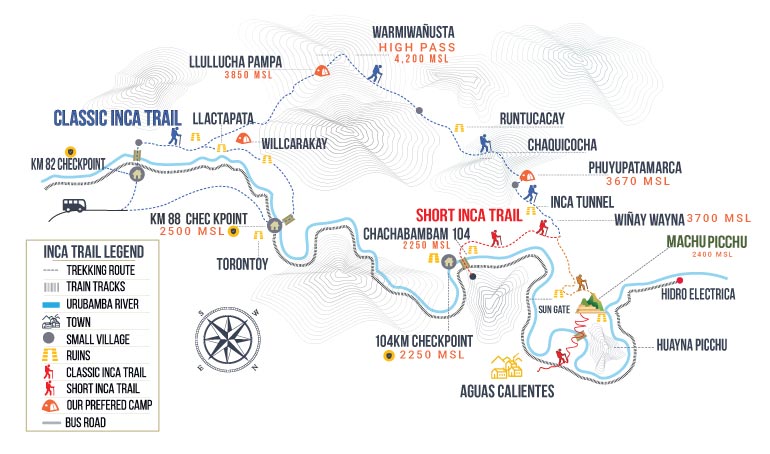
The best known is the Inca Trail, in 1, 2, 4 or 5 days, which needs a permit booked months ahead. Without a permit you can take the Salkantay Trek (5 or 7 days), the Lares Trek (4 days), the Inca Jungle Trek (3 or 4 days, with biking, rafting and a zipline) or the long trek from Choquequirao. Compare them in our guide to the treks to Machu Picchu.
How do I book a tour with Southern Peru Explorers?
- Send us your dates, the number of travellers and the tour you are interested in, by email, WhatsApp or the form on our website.
- We check availability of permits, Machu Picchu tickets and trains, and send you a quote.
- You send the full name, passport number, nationality and date of birth of each traveller, and pay a deposit of at least 50% of the tour price, or the full amount if you prefer.
- Your booking is confirmed when we receive the payment and send you a written confirmation; then we buy your permits and tickets.
Cancellation conditions are in our terms and conditions. We recommend booking your international flights once your tour is confirmed.
How do Inca Trail permits work?
Permits are sold by Peru’s Ministry of Culture only to travel agencies registered in Cusco, and since September 2026 they must be paid in full when they are issued. Each permit is valid only for one date, one route and one person, and it cannot be refunded or moved to another date except in documented cases of force majeure. Read our Inca Trail permits guide.
What if I renew my passport after booking?
Tell us at once. Permits and Machu Picchu tickets are issued with your passport number, and the rules only allow the number on a Machu Picchu ticket to be corrected once, for an obvious error; there is no set procedure for a renewed passport, so we will advise you on your case. Check the name and number carefully before you send them.
Getting to Cusco#
How do I get to Cusco?
Most travellers fly from Lima. LATAM, Sky and JetSMART fly Lima–Cusco several times a day, and the flight takes about 1 hour 20 minutes. Cusco airport also has international flights: Santiago de Chile with LATAM (and with Sky from January 2027), Bogotá and La Paz with Avianca, La Paz with BoA, and São Paulo with LATAM from 29 March 2027. Weather in the Andes sometimes delays flights, so leave a margin before your tour. By bus, Lima–Cusco takes about 22 hours.
Where should I stay in Cusco?
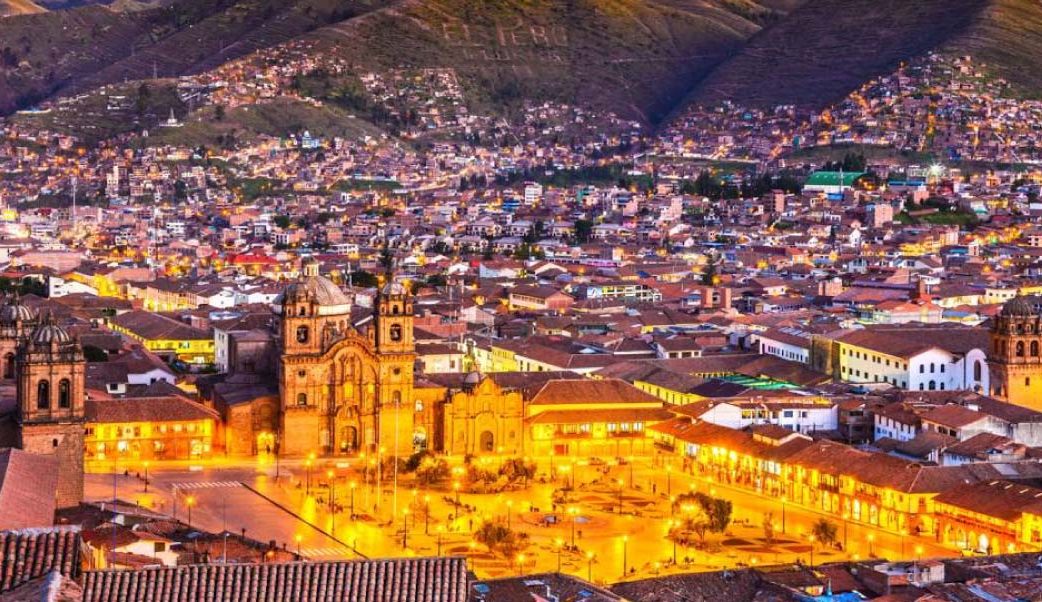
Anywhere that suits your budget; most hotels, restaurants and sights are in the historic centre. Many streets around the Plaza de Armas are narrow, cobbled and closed to cars, so check that a vehicle can reach your hotel: we pick you up at your accommodation for our tours. Read our Cusco travel guide.
Can I stay in the Sacred Valley?
Yes. The Sacred Valley, with towns such as Ollantaytambo and Urubamba, is lower than Cusco and quieter, and many travellers spend their first nights there. Tell us where you are staying: we can arrange the pick-up and the briefing before your tour accordingly. See our Sacred Valley guide.
Can I spend an extra night in Aguas Calientes?
Yes. An extra night lets you visit Machu Picchu again or climb Huayna Picchu or Machu Picchu Mountain without hurry. Tell us when you book, so that we can change your train tickets; the hotel and meals of the extra night are paid separately. See our Aguas Calientes guide.
Health, documents and altitude#
Do I need a visa for Peru?
Travellers from many countries can enter Peru as tourists without a visa, but check the rules for your nationality before you travel. Your passport must be valid for at least six months on arrival. The immigration officer sets your length of stay, up to 183 days a year; the record (TAM) is now digital at the main airports, and passports are no longer stamped there.
Which vaccines do I need?
No vaccine is required to enter Peru. Yellow fever vaccination is recommended for the Amazon and other jungle areas, such as Manu and Tambopata in Madre de Dios, at least 10 days before you travel; Peru’s health ministry does not recommend it for Cusco city, Machu Picchu or the Inca Trail. Peru reported 49 confirmed cases in 2025, in Amazon regions. Ask a travel clinic, and see our guide to Peru Amazon tours.
What is altitude sickness and how can I prevent it?
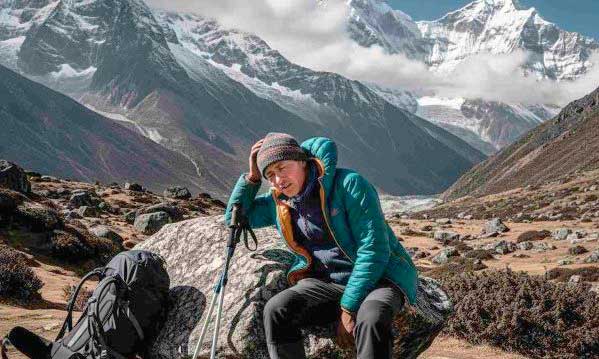
Cusco is at about 3,400 m, and many treks go higher. Headache, tiredness, dizziness and shortness of breath are common in the first days. Spend at least two days in Cusco or the Sacred Valley before a trek, walk slowly, drink plenty of water, eat light meals and avoid alcohol at first; coca tea helps many people. Ask your doctor about medication before you travel. Read our guide to altitude sickness in Cusco.
Do I need travel insurance?
It is not included in our prices, but we strongly recommend insurance that covers medical care, evacuation and trip cancellation, especially for treks; on some of our treks it is compulsory.
On the trek#
How hard are the treks?
Most treks in the Cusco region are moderate to challenging. You do not need to be an athlete, but you need a reasonable level of fitness, because many routes go above 3,000 m and some passes above 4,500 m. Walk hills or stairs for a few weeks before you come. See our guide to preparing for the Inca Trail.
Do I need hiking boots and poles?
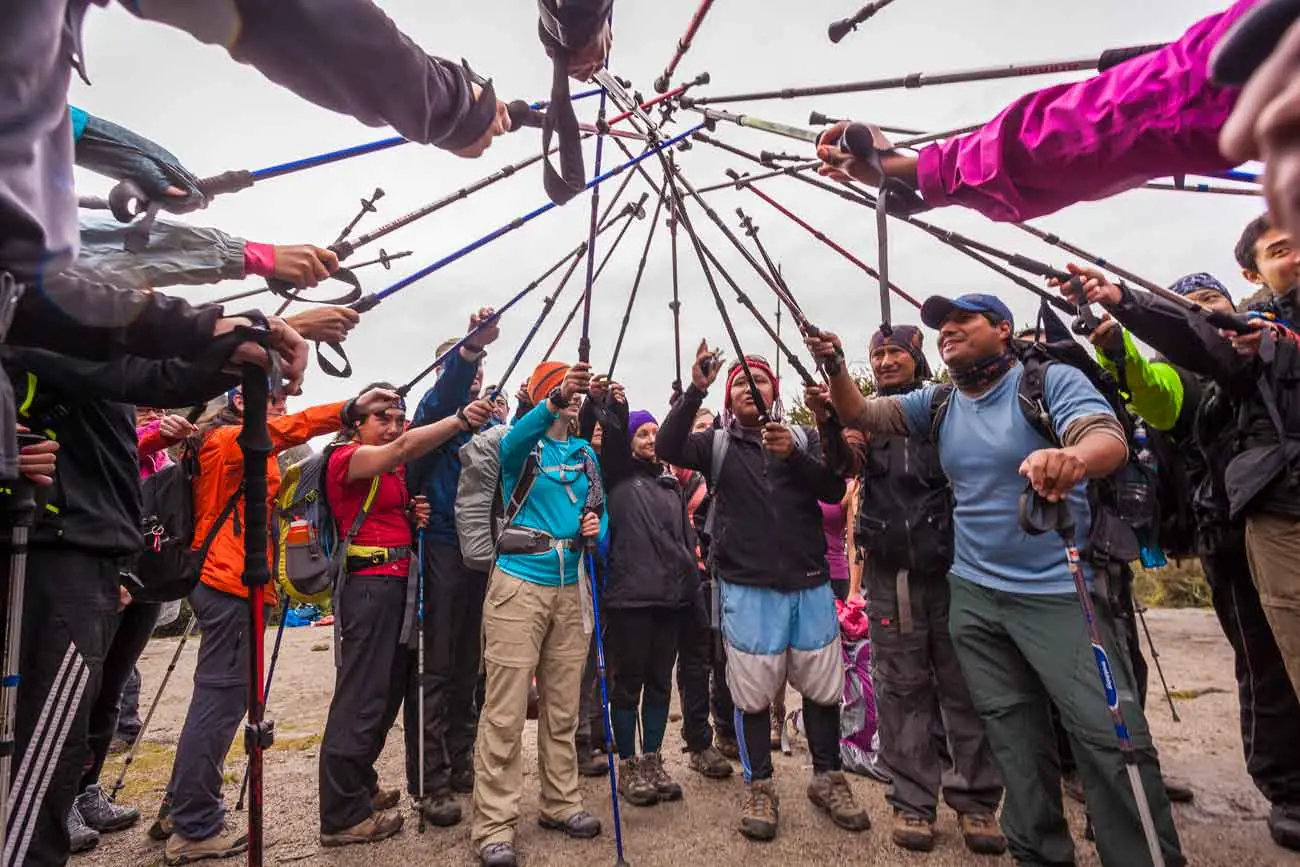
Yes, broken-in hiking boots that support the ankles: the Inca steps are high and uneven. Trekking poles help a lot on the descents; on the Inca Trail they must have rubber tips. You can rent poles from us for USD 25.
How much luggage can I take on a trek?
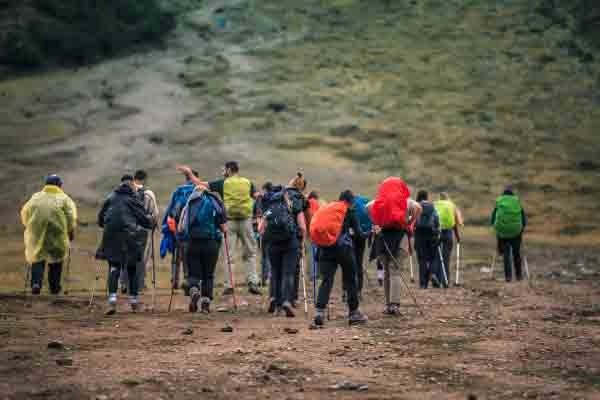
Leave your main luggage in Cusco: most hotels store it for free, and so do we at our office (Calle Garcilaso 265, Office 05). At the briefing we give you a duffel bag: on treks with horses, such as Salkantay and Lares, they carry up to 7 kg of your things, and on our 4-, 5- and 7-day Inca Trail tours porters carry up to 6 kg, including your sleeping bag. You will not have access to the duffel during the day, so carry water, layers, rain gear, sunscreen and snacks in your daypack.
What is the weather like?
The dry season, from May to September, has sunny days and cold nights. The rainy season runs from November to March, with the most rain from December to March; the Inca Trail closes in February. April and October are in between. In Cusco the days are mild in the sun and the mornings and evenings are cold all year, so bring layers, a rain jacket and sunscreen. See our guide to the best time to hike the Inca Trail.
Should I tip the guides and porters?
Tips are voluntary and are not included in our prices; there is no fixed amount. On the last day of a trek, travellers who wish to usually put their tips together for the guide, the cook and the porters.
How much money should I bring?
Bring soles in cash for snacks, drinks, toilets, meals that are not included and tips; cards are accepted in most hotels and restaurants in Cusco. See our guide to money in Cusco.

Written by Joel Cárdenas Gonzales
Founder & CEOFounder and CEO of Southern Peru Explorers since 2009. Born in Cusco and trained as an official tour guide at Instituto Khipu. About the author