This guide is continuously maintained and verified by our resident Andean mountain leaders, ensuring accurate permit guidance, altitude protocols, and route recommendations for travelers in Peru.
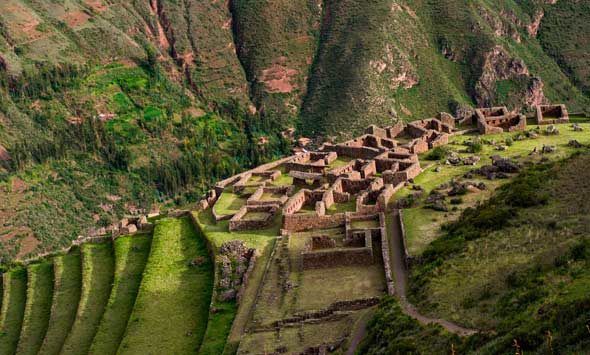
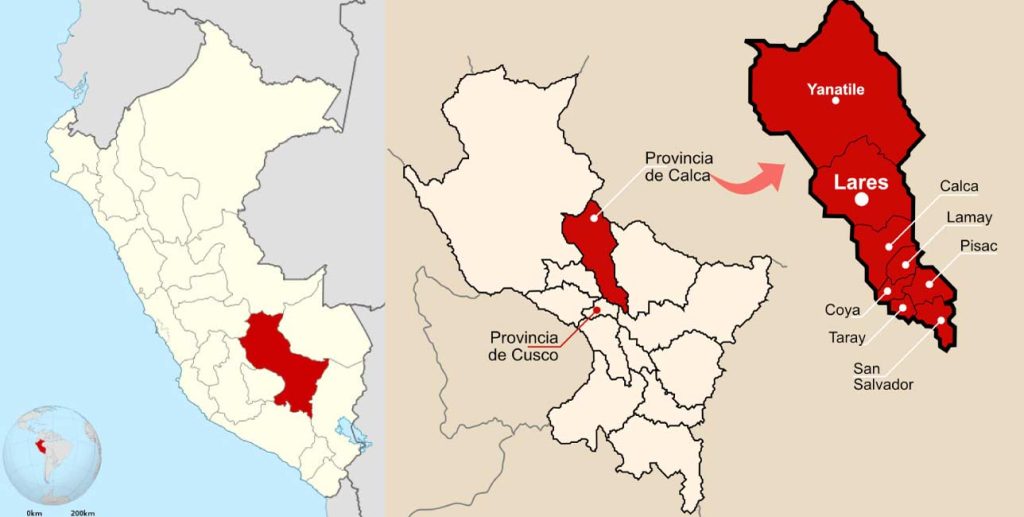
Pisac is a town in the Sacred Valley, 33 km (about 1 hour) from Cusco, known for two things: its market, busiest on Sundays, and the Inca site on the mountain above it, one of the largest in the valley, with terraces, temples and one of the largest Inca cemeteries. The town is at about 2,972 m and the ruins between about 3,450 and 3,500 m. You need the Boleto Turístico to enter the archaeological park.
Pisac at a glance#
| Where | Sacred Valley, Calca province, 33 km from Cusco |
| Altitude | Town about 2,972 m; ruins about 3,450 to 3,500 m |
| Market days | Tuesday, Thursday and Sunday (Sunday is the busiest) |
| Archaeological park | Open 7:00 a.m. to 4:30 p.m.; about 9 km by road from the town |
| Ticket | Boleto Turístico, Circuit III (S/ 70, 2 days, with Ollantaytambo, Chinchero and Moray) or the integral ticket |
| Time needed | 2 to 3 hours for the ruins, plus time for the market |
The town of Pisac#
The present town was laid out in the 1570s by order of Viceroy Francisco de Toledo, on the valley floor beside the Urubamba River, below the Inca site. Today it is a quiet town around its plaza, with craft shops, cafés and small hotels, and the first stop of most Sacred Valley tours from Cusco.
The Pisac market#
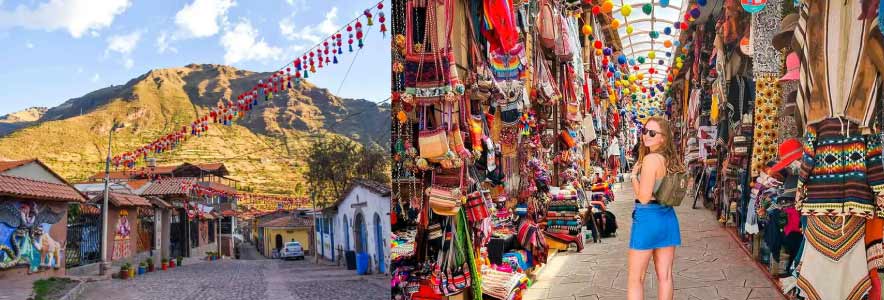
The market fills the plaza and the streets around it. Its main days are Tuesday, Thursday and Sunday; the craft stalls are open from about 9:00 a.m. to 5:00 p.m., and on Sunday morning farmers from the surrounding communities also come to sell their produce. You find textiles, alpaca and wool goods, ceramics, silver jewelry, fruit, vegetables and local food. Bargaining is normal at the craft stalls.
The Pisac archaeological park#
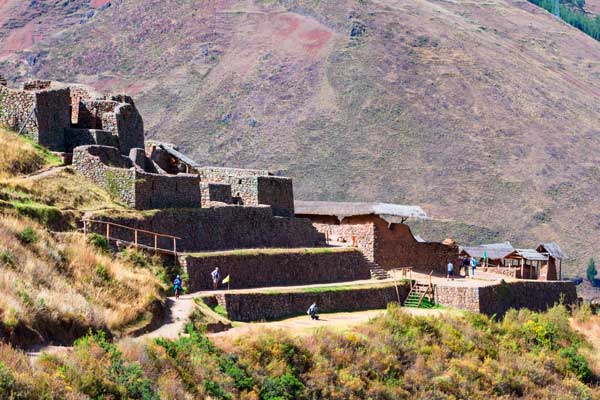
The Inca site spreads along the mountain above the town, between about 3,450 and 3,500 m, with wide terraces on the slopes below. It is usually associated with the Inca Pachacutec. The main sectors are:
- Intiwatana: the religious center, with fine stone temples around a carved rock.
- Qallaqasa, P’isaqa, Kanchis Raqay and Qantus Raqay: groups of Inca buildings along the ridge and the slopes.
- Tantana Marka: the cliff opposite the site, with more than 3,500 tombs in the rock, most of them looted long ago.
The Cusco office of the Ministry of Culture has an official video of the Pisac archaeological park.
How to visit the ruins#
- By road: the main entrance is about 9 km by road from the town, about 15 minutes by taxi. Many visitors take a taxi up and walk down.
- On foot from the town: a steep path of about 4 km with many steps climbs from the town to the site; allow 1.5 to 2 hours up, and more at a slow pace because of the altitude.
- On a tour: most Sacred Valley tours stop at the ruins and the market.
Bring water, sun protection and your Boleto Turístico; it is checked at the entrance.
How to get to Pisac from Cusco#
- On a tour: Sacred Valley tours pick you up at your hotel; our Cusco Classic Tour stops in Pisac on its Sacred Valley day, before the train to Aguas Calientes.
- By colectivo: shared vans leave from Calle Puputi in Cusco when they are full; the ride takes 45 minutes to 1 hour.
- By taxi: about 1 hour from the center of Cusco.
Frequently asked questions#
Is Pisac worth visiting?
Yes, especially if you are interested in Inca sites: its terraces and temples are among the largest of the valley, and the market adds a different side of the visit. It fits well in a day with Ollantaytambo or Chinchero.
Which is the best day to visit Pisac?
Sunday, when the market is biggest and farmers come from the communities around. Tuesday and Thursday are the other market days. Go to the ruins early in the morning, when there are fewer people.
How high is Pisac?
The town is at about 2,972 m, lower than Cusco (3,399 m), and the ruins at about 3,450 to 3,500 m. See our guide to Cusco altitude for a comparison with other places.
What else is there in the Sacred Valley?
Ollantaytambo, Chinchero, Moray and the salt pans of Maras. Read our Sacred Valley guide.

Written by Joel Cárdenas Gonzales
Founder & CEOFounder and CEO of Southern Peru Explorers since 2009. Born in Cusco and trained as an official tour guide at Instituto Khipu. About the author