This guide is continuously maintained and verified by our resident Andean mountain leaders, ensuring accurate permit guidance, altitude protocols, and route recommendations for travelers in Peru.
Table of Contents (10 Sections)
- 1 Machu Picchu history in brief
- 2 What we tell travelers at Machu Picchu
- 3 Who built Machu Picchu, and when?
- 4 Why was Machu Picchu built?
- 5 What was Machu Picchu originally called?
- 6 Why was Machu Picchu abandoned?
- 7 The rediscovery: from 1902 to 1913
- 8 Timeline of Machu Picchu
- 9 Machu Picchu today
- 10 Frequently asked questions
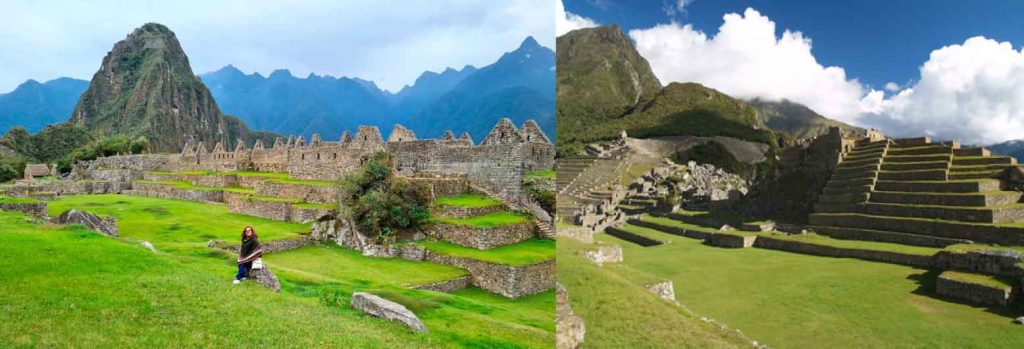
Machu Picchu was built by the Incas in the 15th century, most likely as a royal estate of the ruler Pachacuti (Pachacutec). Radiocarbon dates published in 2021 show that it was occupied from about AD 1420 to 1530, some 20 years earlier than the date given by the Spanish chronicles. It was abandoned around the time of the Spanish conquest, there is no evidence that the Spanish ever reached or looted it, and it became famous worldwide after Hiram Bingham’s visit on 24 July 1911. Today it is a UNESCO World Heritage Site, inscribed in 1983.
Machu Picchu history in brief#
| Question | Short answer |
|---|---|
| When was it built? | In the 15th century. It was occupied from about AD 1420 to 1530. |
| Who built it? | The Incas, most likely for the ruler Pachacuti, traditionally counted as the ninth Inca. |
| How old is it? | About 600 years old. |
| Why was it built? | Most historians believe it was a royal estate, with temples, residences and farming terraces. |
| When was it abandoned? | Around the time of the Spanish conquest, in the 16th century. |
| Who made it known to the world? | Hiram Bingham, guided by local farmers, in 1911. |
| Is it a World Heritage Site? | Yes. UNESCO inscribed the Historic Sanctuary of Machu Picchu in 1983. |
What we tell travelers at Machu Picchu#
On our tours we explain that Machu Picchu was built in the 15th century, most likely as a royal estate of the Inca Pachacutec, and that Hiram Bingham made it known internationally in 1911.
A common myth is that it was a “lost city”: local people always knew it was there. To read more, we recommend Lost City of the Incas by Hiram Bingham and The Conquest of the Incas by John Hemming.
Who built Machu Picchu, and when?#
For decades the date of Machu Picchu came from the Spanish chronicles, which place the start of Pachacuti’s reign in 1438. Pachacuti is the ruler who turned the Inca state of Cusco into an empire, and the traditional view is that Machu Picchu was built for him after that date.
In 2021 a team led by Yale archaeologist Richard Burger published new radiocarbon (AMS) dates in the journal Antiquity, based on human remains excavated at Machu Picchu in 1912. The results show that the site was occupied from about AD 1420 to 1530, so people were living there at least two decades before 1438. The study dates when the site was in use, not the exact start of construction.
Why was Machu Picchu built?#
No Inca or Spanish document describes Machu Picchu directly, so its purpose is an interpretation. The most accepted one is that it was a royal estate of Pachacuti: a country residence for the ruler, his family and his lineage, with temples, fine stone buildings, houses for servants and farming terraces. The evidence comes partly from a 1568 document of the Augustinian friars of Cusco, studied by the historian John Rowe, which shows that Pachacuti claimed lands in the lower Urubamba valley; Rowe inferred that the Picchu area was among them.
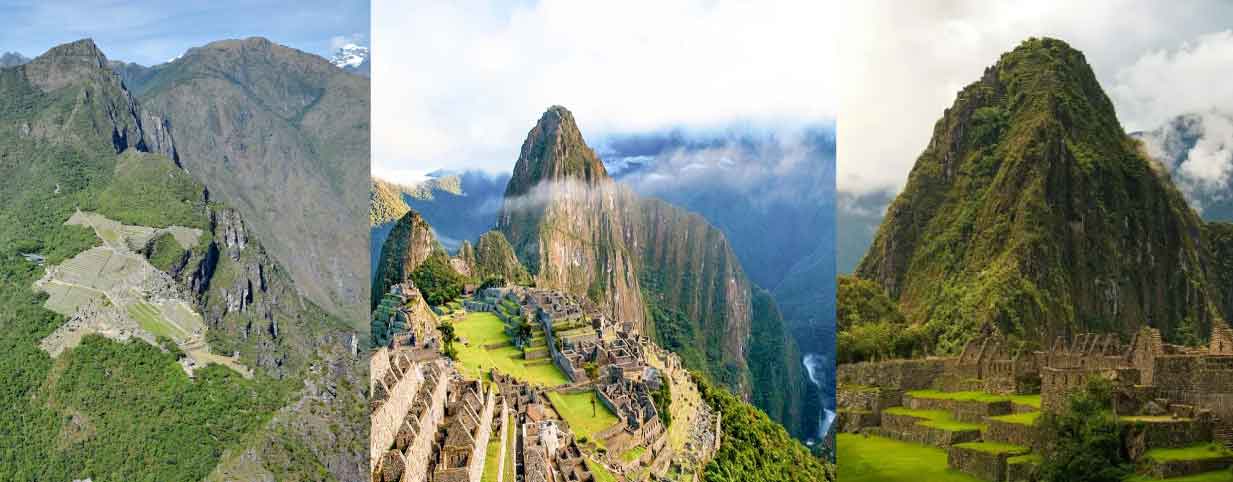
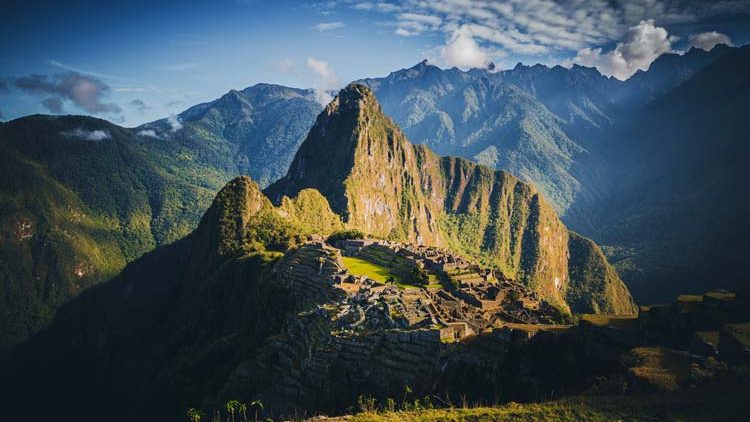
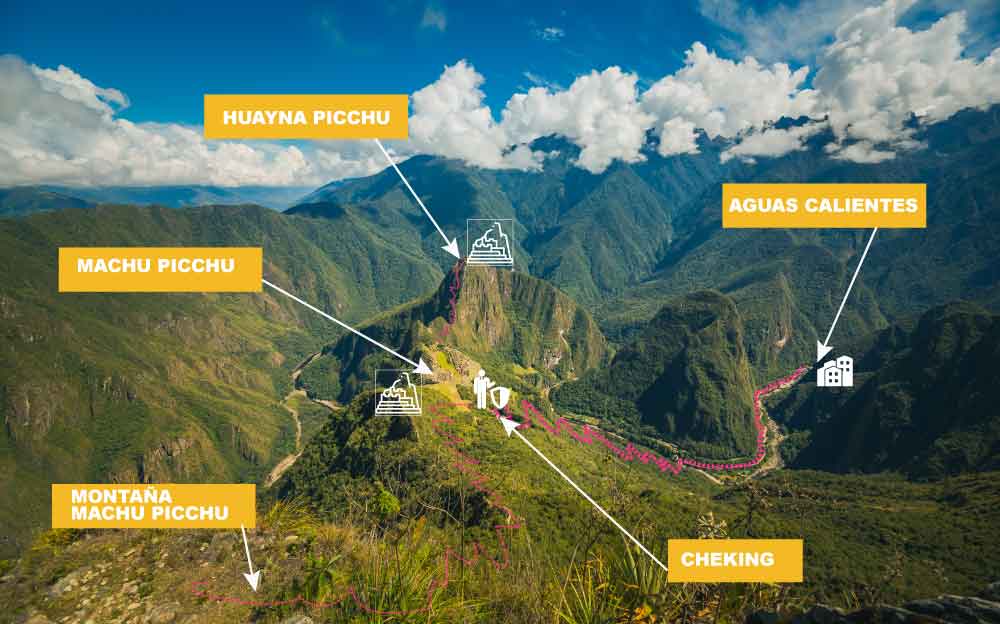
UNESCO counts about 200 structures at the site, built on a ridge between Machu Picchu mountain and Huayna Picchu at 2,430 m. A Brazilian geologist, Rualdo Menegat, has argued that the Incas chose places where geological faults cross, because the fractured rock was easier to quarry and helped drain water; he presented the idea in 2019 at a Geological Society of America conference.
What was Machu Picchu originally called?#
Maybe not Machu Picchu. In a study published in 2021 in the journal Ñawpa Pacha, the historians Brian Bauer and Donato Amado Gonzales found that the Inca town was most likely called Huayna Picchu, or simply Picchu, based on a 1904 atlas, the accounts of Bingham’s local informants and a late 16th-century document. The authors did not propose changing the modern name.
Why was Machu Picchu abandoned?#
Machu Picchu was abandoned around the time the Spanish conquered the Inca Empire, in the 16th century; the radiocarbon dates end around 1530. Nobody knows exactly why. One explanation is the collapse of the Inca state and of the royal lineage that kept the estate; researchers have also pointed to problems such as water supply or fire.
The Spanish did know the area: colonial records show that the lands of Picchu were part of an encomienda and paid tribute. But there is no evidence that they reached or looted the citadel, which is why it survived in such good condition.
The rediscovery: from 1902 to 1913#
Machu Picchu was never truly lost. Farmers in the Urubamba valley knew the ruins, and some lived on the terraces.
- 1902: Agustín Lizárraga, who leased lands below the San Miguel bridge, visited the site and wrote his name on one of the buildings; Bingham found the inscription in 1911.
- 24 July 1911: Hiram Bingham, a Yale history lecturer with no training as an archaeologist, reached Machu Picchu guided by a local farmer, Melchor Arteaga, and a Peruvian police sergeant, Carrasco. Two families of farmers, the Richartes and the Álvarez, were growing crops on the terraces.
- 1912: Bingham returned with an expedition from Yale University and the National Geographic Society to clear and excavate the site.
- April 1913: National Geographic devoted its whole issue to Machu Picchu, and the photographs made it famous around the world.
The objects excavated by Bingham went to Yale. After an agreement with Peru in 2010, Yale returned them in 2011 and 2012, and they are now in Cusco, at the Casa Concha museum, run with the San Antonio Abad University (UNSAAC). See our guide to the best museums in Cusco.
Timeline of Machu Picchu#
| Year | Event |
|---|---|
| c. 1420 | Earliest occupation, according to the radiocarbon dates |
| 1438 | Start of Pachacuti’s reign, according to the Spanish chronicles |
| c. 1530 | Last radiocarbon dates; the site is abandoned around the Spanish conquest |
| 1568 | A colonial document records Pachacuti’s lands in the lower Urubamba valley |
| 1902 | Agustín Lizárraga writes his name on a wall of the site |
| 1911 | Hiram Bingham reaches Machu Picchu on 24 July |
| 1912 | Yale and National Geographic expedition clears and excavates the site |
| 1913 | National Geographic devotes its April issue to Machu Picchu |
| 1983 | UNESCO inscribes the Historic Sanctuary of Machu Picchu as a World Heritage Site |
| 2007 | Named one of the New Seven Wonders of the World, in a public vote organized by a private foundation |
| 2011–2012 | Yale returns the objects excavated by Bingham to Peru |
| 2021 | New radiocarbon dates and a new study of the site’s original name are published |
Machu Picchu today#
UNESCO lists Machu Picchu as a mixed site, for both its Inca architecture and its natural setting in the cloud forest. In 2025 the Historic Sanctuary of Machu Picchu received about 1.54 million visitors, including those on the Inca Trail, according to preliminary figures from Peru’s Ministry of Foreign Trade and Tourism. To protect it, visits follow fixed circuits with timed tickets, and the number of visitors per day is limited: 4,500, raised to 5,600 on high-season dates.
Plan your visit with our guides to the Machu Picchu circuits and routes, the Machu Picchu FAQ and how to get to Machu Picchu. If you want to arrive as the Incas did, on foot, see the Classic Inca Trail 4 Days or read about the Qhapaq Ñan, the Inca road network.
Frequently asked questions#
When was Machu Picchu built?
In the 15th century. The traditional date is after 1438, when Pachacuti began his reign, but radiocarbon dates published in 2021 show that the site was already occupied around 1420.
Who built Machu Picchu?
The Incas, most likely as a royal estate of the ruler Pachacuti, who ruled from Cusco.
How old is Machu Picchu?
About 600 years old: it was occupied from about AD 1420 to 1530.
Who discovered Machu Picchu?
Local farmers always knew it; some were living on its terraces in 1911. Hiram Bingham made it known to the world after his visit on 24 July 1911, and Agustín Lizárraga had written his name on a wall there in 1902.
Was Machu Picchu a lost city?
No. It was forgotten by the outside world, but people in the valley knew it, and colonial records show that the Spanish knew the lands of Picchu. There is no evidence that they reached the citadel.
What does Machu Picchu mean?
In Quechua, machu means old, so Machu Picchu is usually translated as “old mountain” or “old peak”, the name of the mountain above the ruins. Huayna Picchu means “young mountain”.

Written by Joel Cárdenas Gonzales
Founder & CEOFounder and CEO of Southern Peru Explorers since 2009. Born in Cusco and trained as an official tour guide at Instituto Khipu. About the author