Table of Contents (11 Sections)
- 1 When is the best time to do the Ausangate trek?
- 2 How long is the Ausangate trek?
- 3 What is the highest point of the Ausangate trek?
- 4 How hard is the Ausangate trek?
- 5 What is an apu, and why is Ausangate one?
- 6 Do I need special gear for the snow and cold?
- 7 Do I have to carry all my equipment?
- 8 Do I need a permit or entrance tickets?
- 9 Why do fewer people take this trek?
- 10 Will I get altitude sickness on the Ausangate trek?
- 11 Can I combine the Ausangate trek with Machu Picchu?
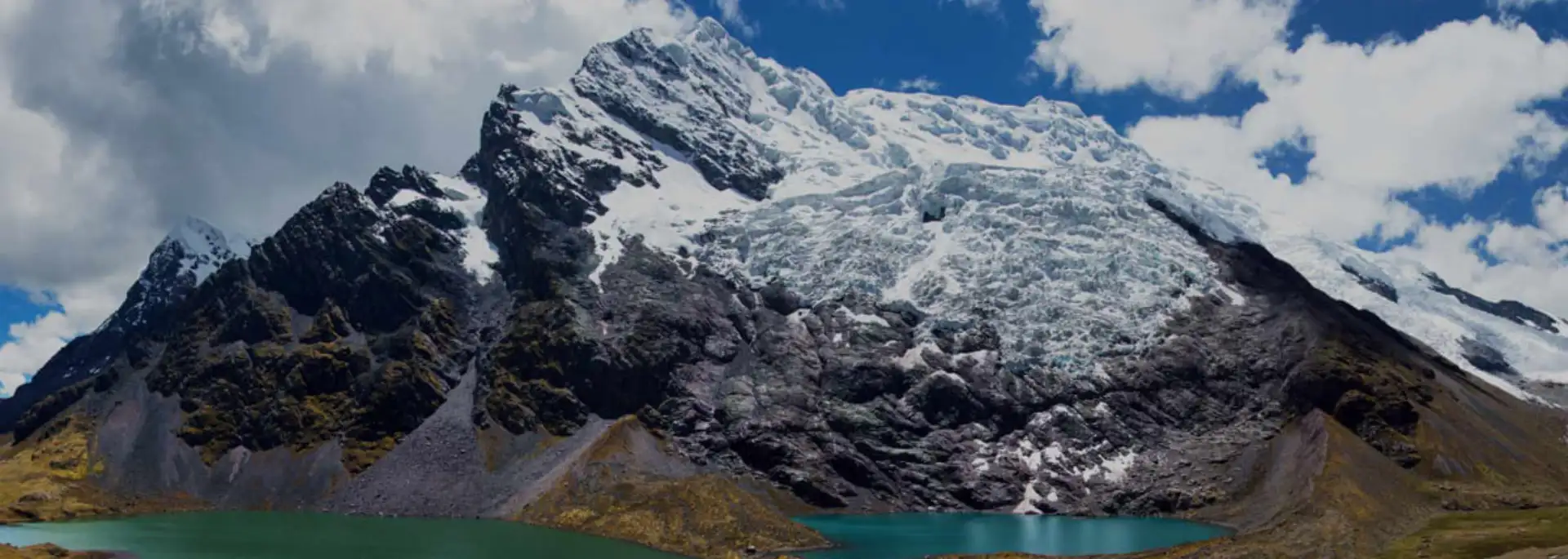
Practical answers about the Ausangate trek, the camping route around Ausangate (6,384 m) in the Vilcanota range, south-east of Cusco: when to go, how hard it is, how high it gets, what to pack and how the logistics work. For the day-by-day route see our Ausangate Trek map, and for the mountain itself our Ausangate mountain guide. You can also watch our video of the Ausangate trek.
When is the best time to do the Ausangate trek?#
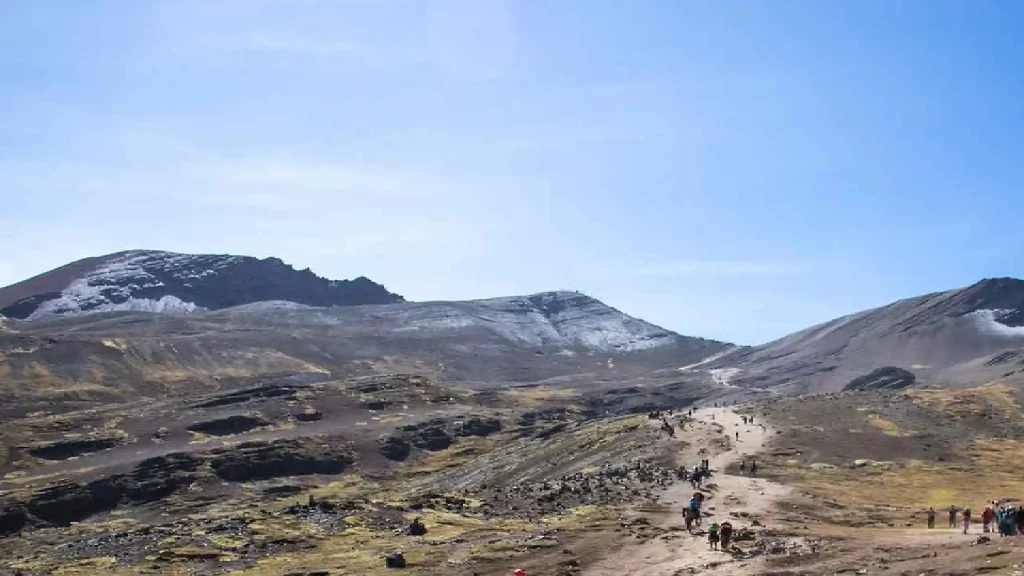
From May to September, the dry season, when the skies are clearest and the paths driest. April and October are possible, with a higher chance of rain or snow, and from November to March it rains and snows more often. At this altitude the weather can change in an hour in any month, so bring warm and waterproof layers whatever the season. Nights at the camps are below freezing all year.
How long is the Ausangate trek?#
The classic circuit around the mountain takes 4 to 5 days; versions that add Rainbow Mountain take 5 or 6. Distances depend on the route and the camps, from about 50 to 70 km. Our Ausangate Trek and Rainbow Mountain: 5 Days covers about 70 km, from Tinki to Pacchanta, with four nights camping at Upis, Pucacocha, Phinaya and Otorongo Cocha.
What is the highest point of the Ausangate trek?#
The Palomani pass, which we cross on day 3 at 5,190 m (17,028 ft). Published figures for this pass range from about 5,100 to 5,200 m. Our route crosses five passes in all, four of them at 4,800 m or higher: Arapa (4,800 m), Apacheta (4,700 m), Surimana (4,900 m), Palomani (5,190 m) and Ccampa (5,180 m). Every camp is above 4,000 m.
How hard is the Ausangate trek?#
It is challenging, harder than the Inca Trail or the Salkantay Trek. The paths are not technical, but you walk 5 to 9 hours a day, sleep above 4,000 m every night and cross several passes close to or above 5,000 m. It suits fit hikers with some experience of multi-day treks. If it would be your first trek at altitude, start with a shorter route or a day hike such as Rainbow Mountain.
What is an apu, and why is Ausangate one?#
In the Quechua tradition of the southern Andes, an apu is a mountain spirit that protects the people, animals and water around it. Ausangate is one of the most important apus of the Cusco region, and offerings to it are still part of life in the herding communities you pass on the trek. The pilgrimage of Qoyllur Rit’i, inscribed by UNESCO in 2011, takes place in the Sinakara valley, about 20 km north of Ausangate, in the days before Trinity Sunday.
Do I need special gear for the snow and cold?#
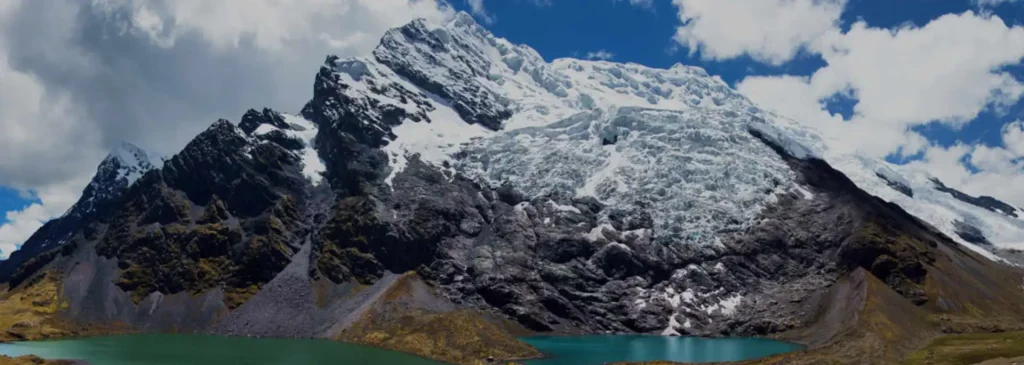
You do not need climbing equipment: the trek stays on paths and passes, below the glaciers. You do need clothes for cold and wind:
- A down jacket for the evenings and early mornings, and a waterproof, windproof jacket.
- Thermal base layers, warm gloves, a wool hat and a neck gaiter.
- Waterproof hiking boots with good ankle support, already broken in.
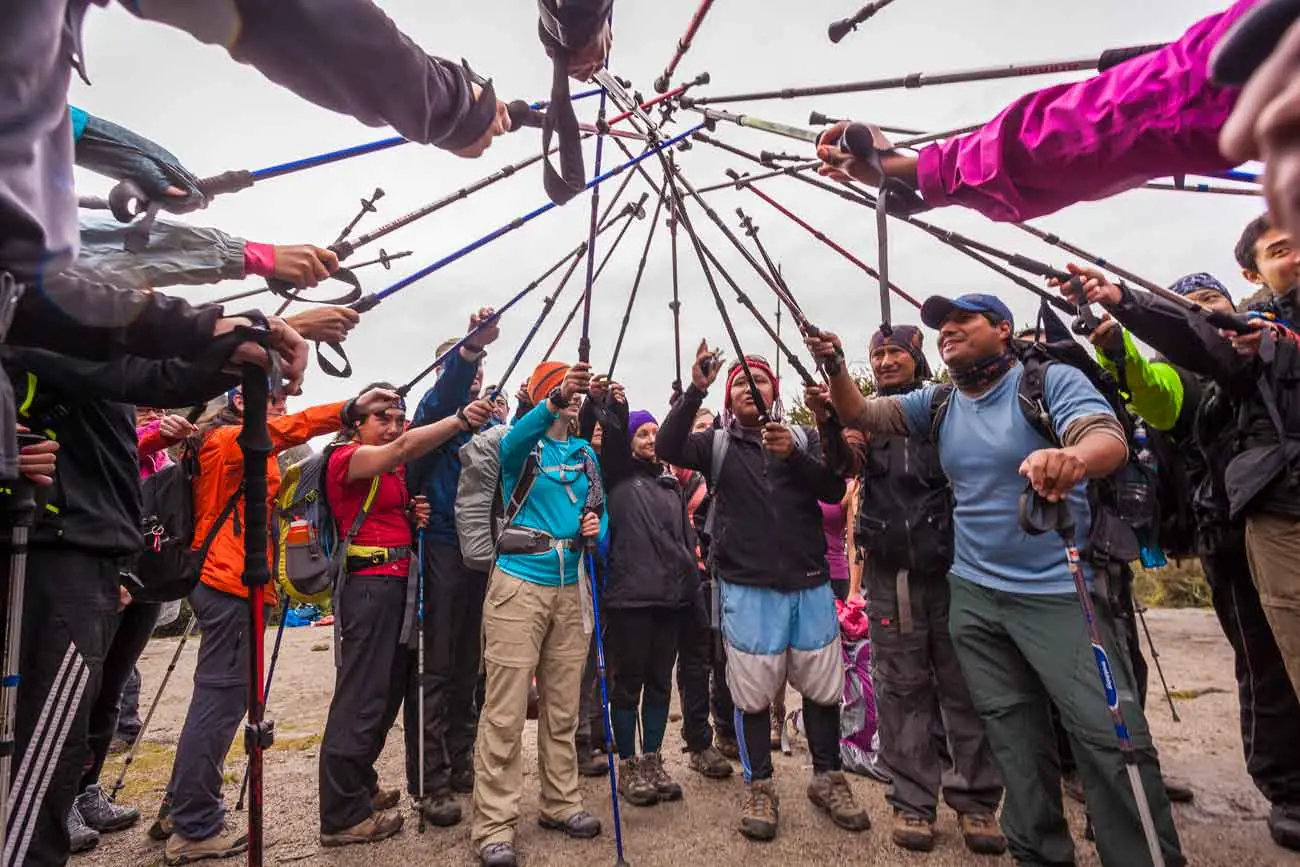
- Trekking poles, for the steep and loose ground on the passes.
- Sunglasses, sunscreen and lip balm: the sun and its reflection on snow are strong at 5,000 m.
The full list is on the trek page.
Do I have to carry all my equipment?#
No. On our trek, horses carry the tents, the kitchen, the food and your duffel bag (maximum 7 kg, including your sleeping bag), and the horsemen set up camp with the cook. You carry a daypack with water, snacks, warm layers, rain gear and sunscreen.
Do I need a permit or entrance tickets?#
No government permit is needed, as there is for the Inca Trail. The trail crosses the land of local communities, which charge entrance, camping and hot spring fees; on our trek they are included. Part of the area, around Upis and Pacchanta, has been a private conservation area of the Comunidad Campesina de Ausangate since 2025.
Why do fewer people take this trek?#
Because it is long, high and remote. The route crosses only a few small villages, every night is in a tent above 4,000 m, and the passes are among the highest on any trek near Cusco. In exchange you walk for days among glaciers, lakes and herds of alpacas with very few other hikers.
Will I get altitude sickness on the Ausangate trek?#
You may feel some effects, such as a headache, tiredness or shortness of breath, because the whole route is high. To reduce the risk:
- Spend at least 3 days in Cusco (3,400 m) or the Sacred Valley before the trek.
- Walk slowly, drink plenty of water and avoid alcohol.
- Tell your guide at once if you feel unwell; our guides are trained in first aid and carry oxygen and a satellite phone.
- If the symptoms get worse, go down: losing altitude is the best treatment.
More in our guide to Cusco altitude and altitude sickness.
Can I combine the Ausangate trek with Machu Picchu?#
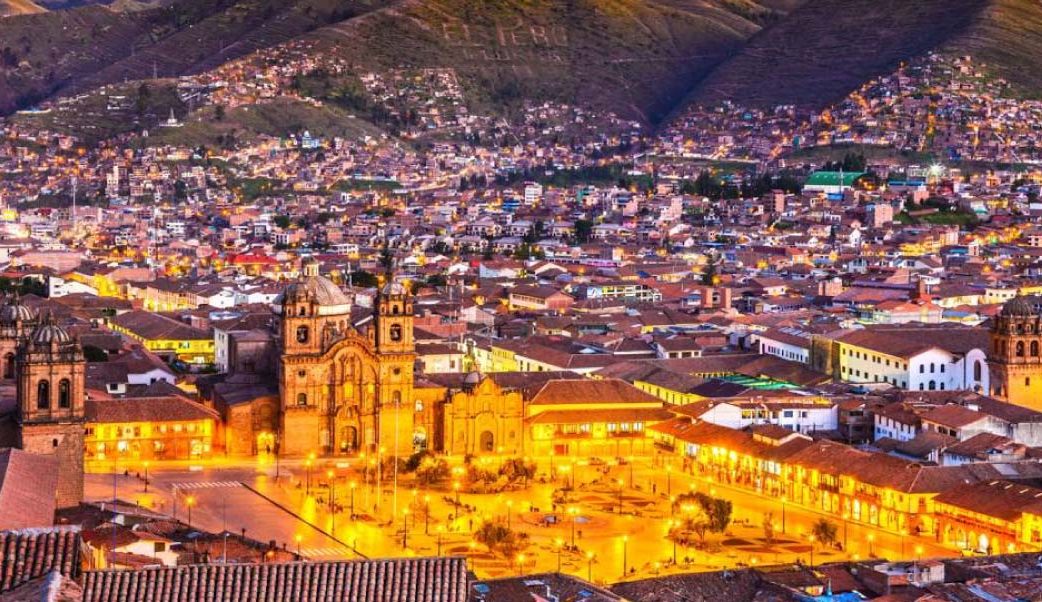
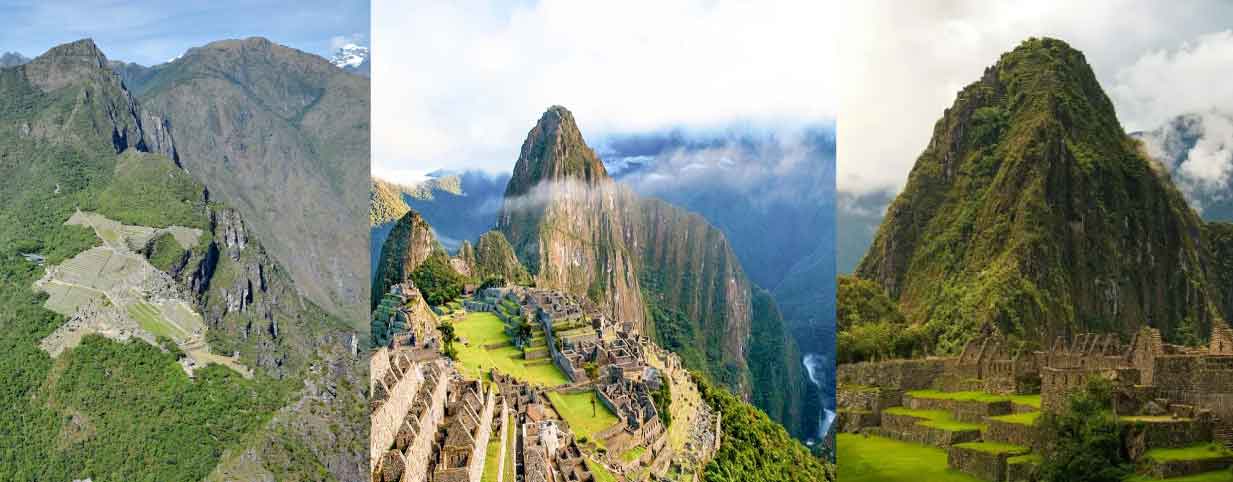
Yes. The trek starts and ends in Cusco and does not go to Machu Picchu, so you can add a Machu Picchu tour or a trek such as the Salkantay Trek before or after it. Doing another trek first is also good acclimatization.

Written by Joel Cárdenas Gonzales
Founder & CEOFounder and CEO of Southern Peru Explorers since 2009. Born in Cusco and trained as an official tour guide at Instituto Khipu. About the author