This guide is continuously maintained and verified by our resident Andean mountain leaders, ensuring accurate permit guidance, altitude protocols, and route recommendations for travelers in Peru.
Table of Contents (3 Sections)
Inca Trail Information: Peru’s best-known hike is visited by thousands of tourists every year; the classic 43-km trek leads through mountain passes and cloud forests, culminating at the Sacred Inca City of Machu Picchu. It combines visits to mysterious archaeological sites, fantastic mountain scenery, and lush cloud forest.
What is the Classic Inca Trail Trek?
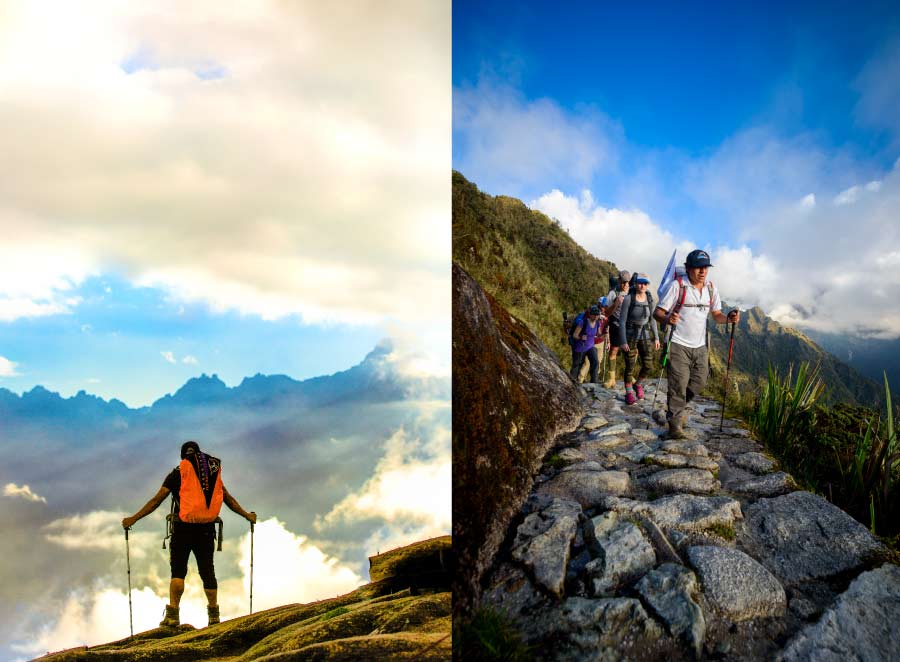
The Classic Inca trail is a 4-day, 43-kilometer trek that follows ancient stone paths built by the Incas, leading you through . Considered one of the most beautiful treks in the world, it is an opportunity to emerge yourself into the preserved Andean nature and get to know more about the richness of Inca culture.
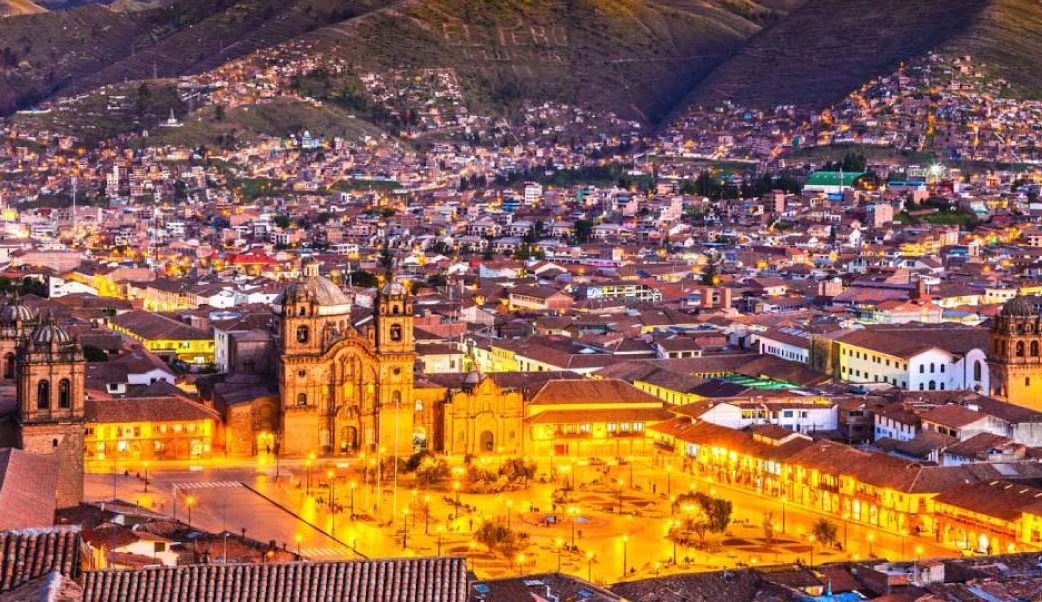
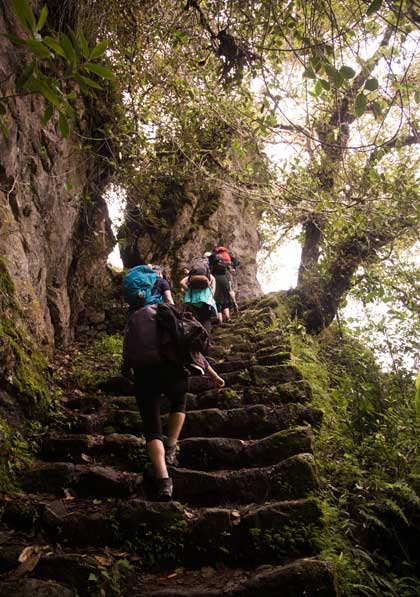
Indeed the trail was traveled by this ancient civilisation who used to leave from Cusco and reached out to important sites such as the sacred city of Machu Picchu. The trail follows heavy stone pathways and the original Inca steps. You will literally be hiking in the footsteps of an ancient civilization. It is a demanding route, and you need at least a moderate level of fitness to hike it.
The classic Inca trail starts at Ollantaytambo at 82km above sea level and passes several important ruins and settlements, climbing mountains and disappearing into amazon rainforest before leading through the original entrance (Sun Gate) to the ancient city of Machu Picchu.
The sites around the trail, the path itself and the cloud forest region is protected by the state of Peru to ensure responsible tourism and conservation of heritage and nature. Due to this you will need a permit which is booked in advance to be able to undertake this trek. Please see Inca Trail Availability to discover more about availability, bookings and requirements.
Trek Options#
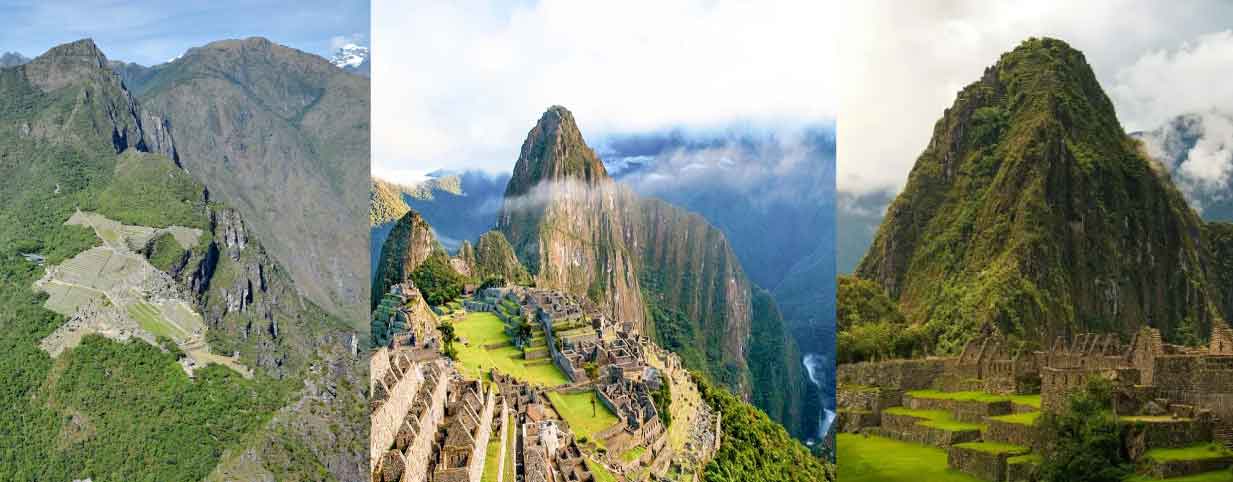
The Inca Trail lets you arrive at Machu Picchu early in the morning, entering through the Sun Gate. Once in Machu Picchu you will also have the possibility to climb up to the top of Huayna Picchu.
Southern Peru Explorers provides variations of The Classic Inca trail, so we can suit everyone. We have options to either shorten the trek to accommodate for time restrictions or fitness level; lengthen it to include other historical or natural sites; or to swap from camping to hotels to provide a more comfortable and luxurious experience. Just have a look below at the different options Southern Peru Explorers has to offer.
Inca Trail 4 Days Option
The Classic Inca Trail is the perfect option for those looking for an intense outdoor adventure. Each day you get mountain views, the stories of your local guide and regular rest stops.
Some information in short:
-
- A 43 km trekking with an highest altitude of 4 215 m ;
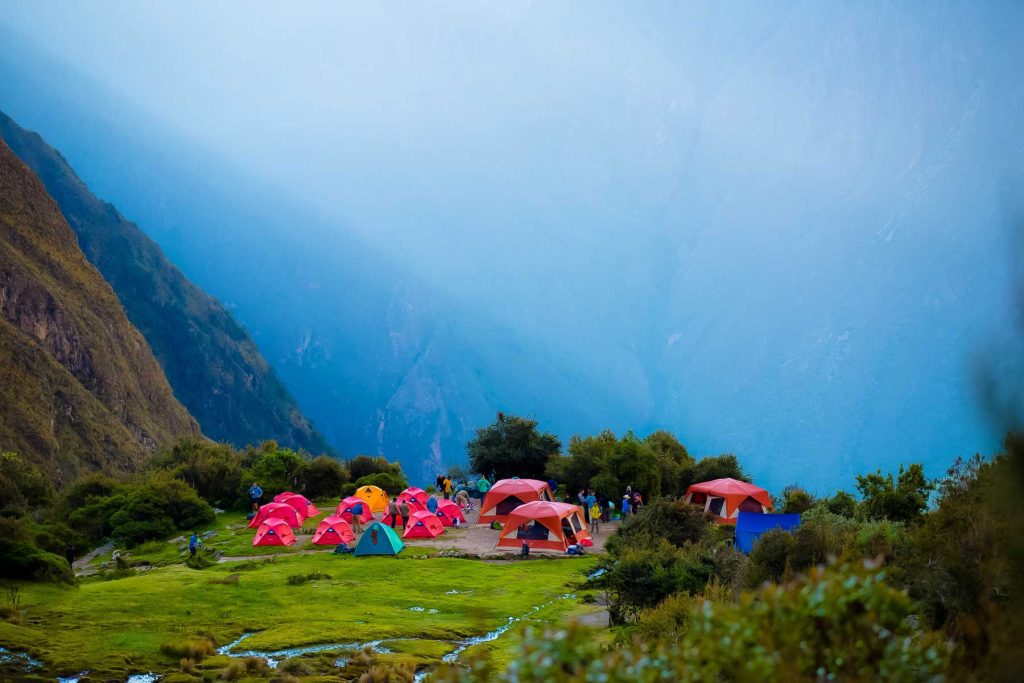
- 3 nights in tent, equipped with the best camping gear ;
- 3 breakfasts, 3 lunches and 3 diners prepared by Peruvian chefs to enjoy the most refilling and tasty cuisine ;
- 5 archeological sites to visit on the way including the ruins of Wayna Q’ente, Llactapata, Sayacmarca, Wiñayhuayna and Inti Punku (the Sun Gate).
Are you ready to challenge yourself and get the most genuine experience to discover Machu Picchu ? Get in touch to plan your trek.
Find more details about the 4-days trek here.
Inca Trail 2 Days Option
The short version of the Inca Trail provides you with the opportunity to enjoy some of the trail’s unmissable spots while having a less demanding experience on fitness level.
Some information in short :
Wish to join us on this memorable journey ? Do not hesitate to contact us and let’s plan the most beautiful trip to Machu Picchu !
Find more details about the 2-days trek here.
Tailored-made Trek Option
The two options above don’t suit with what you are looking for ? Don’t worry we can also design some tailored-made circuits according to your preferences.
-
- Inca Trail + Salkantay Trek (7 Days) : for a complete sporty and intense outdoor experience
- Inca Trail + Sacred Valley Tour (5 Days) : the same trail at a slower pace, with more time at the Inca sites.
To have more information and plan your best way to visit Machu Picchu, please contact us directly through
Whatsapp: +51 984496050 or Email: info@southernperuexplorers.com.
A little history of the Inca Trail Road#
The Incas built a road network known as the Qhapaq Ñan, “the royal road”, which linked Cusco with the rest of their empire, from today’s Colombia and Ecuador to Chile and Argentina. The roads carried armies, goods, messengers and pilgrims, and the trail to Machu Picchu is one of its branches. UNESCO added the Qhapaq Ñan to its World Heritage list in 2014.
Machu Picchu was built around 1450 under the Inca Pachacutec. After the Spanish conquest the site and its trail fell out of use, although local farmers always knew them. Hiram Bingham made Machu Picchu known internationally in 1911, and his expeditions in the following years explored the Inca roads that led to it.
Machu Picchu was declared a UNESCO World Heritage Site in 1983. Today the trail starts at Km 82 of the railway, near Ollantaytambo, and daily permits limit the number of people on it. Read more about the Qhapaq Ñan and the history of Machu Picchu.
A unique site to preserve#
All of this impressive architecture work and the magic surrounding Machu Picchu make it one of the archeological site most visited in the world. That is why there is a restriction access to a certain amount of visitors per day. Machu Picchu admits up to 4,500 visitors a day, and 5,600 on high-season dates in 2026. On the Inca Trail the limit is 500 people a day, including guides, porters and cooks.
Trekking companies that are allowed to work on the Inca Trail must have an operating license specific to the Inca Trail (operating licenses are issued annually) and those trekking companies also need to have an office in Peru. Due to the limited number of entries per day, permits are often very difficult to obtain and sell out easily especially during the high season (from May to September). We recommend you to make your reservation well in advance.
At Southern Peru Explorers we do care a lot about nature preservation, support to local economy and respect of traditional culture. That is why we only form small trekking groups (no more than 8 persons), which is the best way to enjoy the trail and respect the people and places along it. It is also easier to pay attention to the environment (animal observation or trashes collection).
We thank you in advance for always being respectful to the places you visit, the paths you hike on, so that altogether we can preserve the 5th Wonder of the recent world !

Written by Joel Cárdenas Gonzales
Founder & CEOFounder and CEO of Southern Peru Explorers since 2009. Born in Cusco and trained as an official tour guide at Instituto Khipu. About the author