This guide is continuously maintained and verified by our resident Andean mountain leaders, ensuring accurate permit guidance, altitude protocols, and route recommendations for travelers in Peru.
Table of Contents (7 Sections)
Mount Salkantay & Humantay Lake#
The Salkantay Trek is considered one of the most spectacular routes to Machu Picchu, with high mountain landscapes, Inca history and some of Peru’s most revered natural landmarks. Two highlights of the route are Mount Salkantay and Humantay Lake, both important in Andean spiritual tradition. Many travelers marvel at the beauty of Salkantay and Humantay Lake throughout their journey.
The region also has very diverse ecosystems along the trail.
For those who cherish natural wonders, Salkantay and Humantay Lake are unmissable highlights of the trek, showcasing the iconic landscapes of the Andes.
This guide explains what to expect at Salkantay and Humantay Lake and how to prepare.
Understanding the cultural significance of Salkantay and Humantay Lake enhances the trekking experience.
Whether you are planning your trek or simply want to learn more about these iconic Andean attractions, this guide explores their history, altitude, cultural heritage, and what makes them such special places within Peru.
Quick Facts
Each visit to Salkantay and Humantay Lake leaves travelers with lasting memories, making them essential stops on any trek through the Andes.
The spiritual connection many feel at Salkantay and Humantay Lake adds a deeper layer to the trekking experience.
| Attraction | Altitude | Location | Significance |
|---|---|---|---|
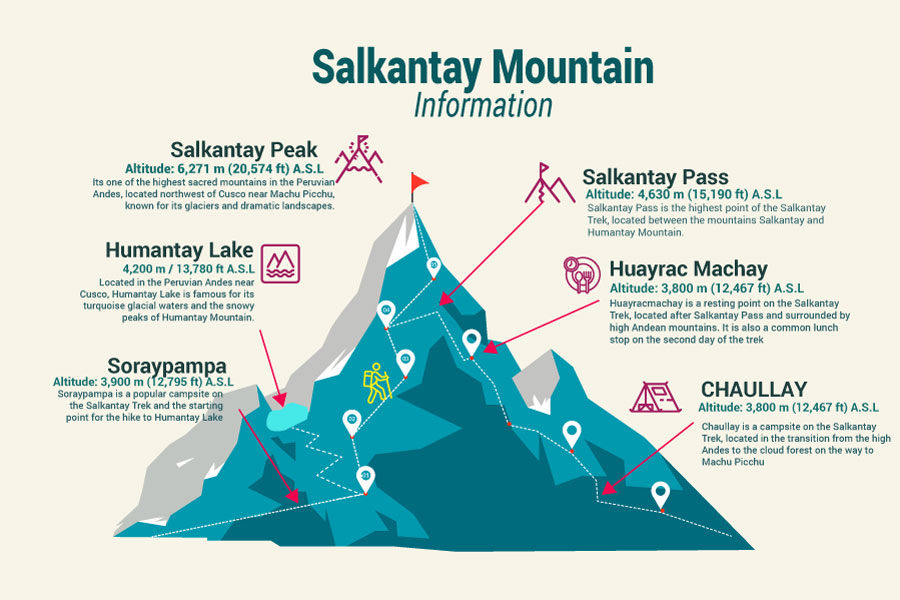
| Mount Salkantay | 6,271 m (20,574 ft) | Vilcabamba Mountain Range, Cusco | Sacred Apu (Mountain Spirit), one of Peru’s highest peaks |
| Humantay Lake | 4,200 m (13,780 ft) | Near Soraypampa, Cusco | Glacial lake known for its turquoise water |
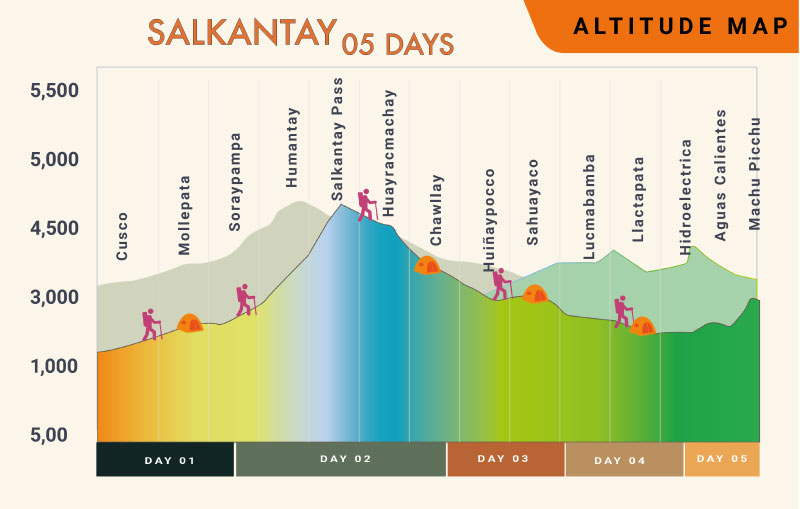
| Salkantay Pass trek | 4,630 m (15,190 ft) | Salkantay Trek Route | Highest point of the trek |
Mount Salkantay: The Sacred Guardian of the Andes#
The experience of seeing both Salkantay and Humantay Lake is not to be missed.
The trek offers an opportunity to connect with nature and reflect on the ancient traditions of the Inca civilization. Along the way, local guides share stories and legends, enriching the journey with cultural insights. As dusk settles, the colors of the landscape transform, providing a perfect backdrop for moments of introspection and wonder. Ultimately, the journey to these sacred sites becomes a personal pilgrimage, leaving a lasting imprint on the soul.
What Does Salkantay Mean?
The name Salkantay comes from the Quechua language and is commonly translated as “Savage Mountain” or “Wild Mountain.” The name reflects both the mountain’s rugged appearance and the challenges it presents to climbers and adventurers.
Many trekkers find themselves captivated by the majesty of Salkantay and Humantay Lake, especially at sunrise.
Standing at 6,271 meters (20,574 feet) above sea level, Mount Salkantay is the highest peak in the Vilcabamba Mountain Range and one of the most impressive mountains in southern Peru.
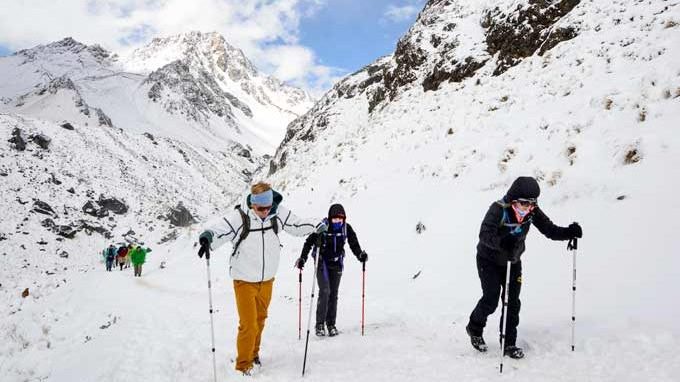
Its snow-covered summit dominates the landscape northwest of Cusco and can be seen from various points along the Salkantay Trek.
Salkantay in Inca Culture
Long before modern trekking routes existed, the Incas regarded Salkantay as a sacred mountain.
In Andean cosmology, powerful mountains were known as Apus—spiritual guardians believed to protect local communities, oversee agricultural fertility, and influence weather patterns.
For the Incas, Salkantay was one of the most important Apus in the region.
Why Was Salkantay Sacred?
Ancient Andean people believed:
- Mountains housed powerful spirits.
- Apus protected nearby villages.
- Ceremonies and offerings ensured harmony between humans and nature.
- Weather patterns, rainfall, and agricultural success were influenced by these sacred peaks.
Many local communities continue these traditions today by performing Despacho ceremonies, offering coca leaves, flowers, and symbolic gifts to Pachamama (Mother Earth) and the mountain spirits.
Salkantay and Astronomy
The Incas were remarkable astronomers.
Researchers believe that from certain observation points around Machu Picchu, including the famous Intihuatana Stone (Sun Dial), the position of the Southern Cross constellation during the rainy season aligned closely with Mount Salkantay.
These celestial alignments reinforced the mountain’s sacred status and connected it to Inca religious beliefs and agricultural calendars.
As you plan your adventure, remember that capturing moments at Salkantay and Humantay Lake is a must for any traveler.
Salkantay Trek: When Will You See the Mountain?
One of the most exciting moments of the trek occurs on the first two days.
| Trek Day | Location | Views of Salkantay |
|---|---|---|
| Day 1 | Soraypampa | Excellent panoramic views |
| Day 1 | Humantay Lake | Views of surrounding snow-capped peaks |
| Day 2 | Salkantay Pass | Closest and most dramatic views |
| Day 2 | Descent to Huayracmachay | Continued mountain scenery |
The allure of Salkantay and Humantay Lake lies not just in their beauty, but also in their cultural significance.
For countless visitors, the sights of Salkantay and Humantay Lake become defining moments of their journey.
At sunrise, the mountain often glows with golden and pink tones, creating some of the most spectacular photography opportunities in Peru.
The turquoise waters of Humantay Lake, alongside the grandeur of Salkantay, create a unique trekking experience.
As you explore the lush landscapes surrounding Salkantay and Humantay Lake, you’ll discover the rich cultural heritage that these sites embody.
Visitors often reflect on the beauty of Salkantay and Humantay Lake long after they leave.
Humantay Lake: The Turquoise Jewel of the Andes#
Both Salkantay and Humantay Lake have their own unique charm that attracts visitors from around the world.
What Is Humantay Lake?
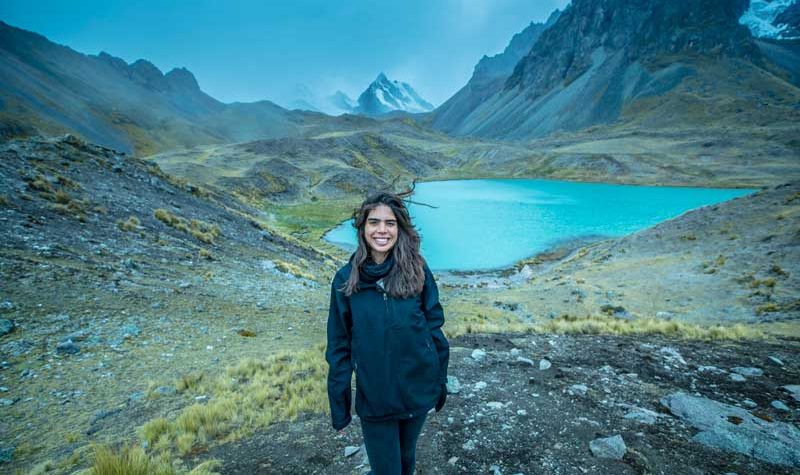
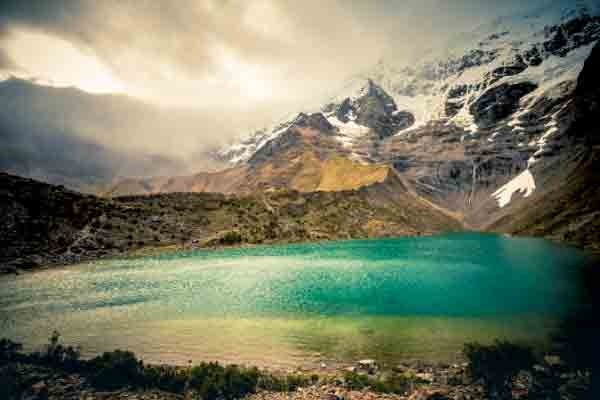
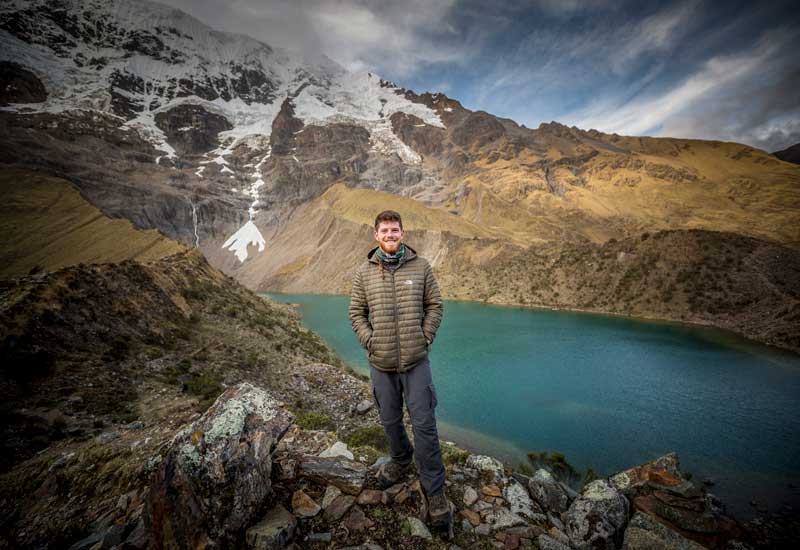
Humantay Lake is one of Peru’s most beautiful alpine lakes.
Fed by glacial meltwater from the surrounding mountains, the lake is famous for its vivid turquoise color and crystal-clear waters.
Located at approximately 4,200 meters (13,780 feet) above sea level, the lake sits right below the Humantay Glacier.
Its color comes from fine glacial sediment suspended in the water, which reflects sunlight in shades of blue and turquoise.
Why Is Humantay Lake So Blue?
The lake’s unique coloration is caused by:
- Glacial meltwater.
- Fine mineral particles known as “rock flour.”
- Reflection of sunlight.
- The purity of the water.
Weather conditions can dramatically affect the lake’s appearance, ranging from bright turquoise on sunny days to deep emerald blue under cloudy skies.
Humantay Lake Hike Altitude
| Feature | Elevation |
|---|---|
| Soraypampa Camp | 3,900 m (12,795 ft) |
| Humantay Lake | 4,200 m (13,780 ft) |
| Salkantay Pass | 4,630 m (15,190 ft) |
| Mount Salkantay Summit | 6,271 m (20,574 ft) |
Because of the high altitude, visitors should take time to acclimatize in Cusco before beginning the trek.
The Cultural Importance of Humantay Lake
Like Salkantay, Humantay Lake also holds spiritual significance within Andean traditions.
Many visitors will notice small stone cairns and ceremonial offerings left near the lake. These are often made as acts of gratitude to:
- Pachamama (Mother Earth)
- The Apus (Mountain Spirits)
- Nature and the surrounding landscape
Local guides frequently explain the importance of maintaining respect for these traditions and preserving the natural environment.
Visiting Humantay Lake During the Salkantay Trek#
For most trekkers, Humantay Lake is the first major highlight of the journey.
For trekkers, witnessing the magnificence of Salkantay and Humantay Lake is a highlight of their journey.
As you traverse the winding trails, the sounds of nature envelop you, creating a serene atmosphere perfect for reflection. Each step reveals new vistas, inviting you to pause and absorb the surrounding majesty. Local guides share stories of ancient traditions, deepening your connection to this sacred land. Ultimately, the trek becomes a journey of both discovery and self-reflection, leaving an indelible mark on your soul.
Typical Schedule
| Time | Activity |
|---|---|
| Morning | Arrival at Soraypampa |
| Mid-Morning | Hike to Humantay Lake |
| Lake Visit | Explore and photograph the lagoon |
| Afternoon | Return to camp and prepare for Day 2 |
The hike to the lake usually takes between 1.5 and 2 hours round trip, depending on fitness level and weather conditions.
Flora and Fauna Around Salkantay#
The region surrounding Salkantay and Humantay is home to diverse Andean wildlife.
Animals You May Encounter
- Andean condor
- Viscachas (rabbit-like rodents)
- Caracara birds
- Mountain hummingbirds
- Andean foxes (rare)
Native Plants
- Ichu grass
- Queuña (Polylepis) trees
- Wild orchids
- Native medicinal herbs
As the trek descends from high mountain passes into cloud forests, the biodiversity increases dramatically.
Best Time to Visit#
| Season | Months | Conditions |
|---|---|---|
| Dry Season | May – September | Clear skies and excellent mountain views |
| Shoulder Season | April & October | Fewer crowds and pleasant weather |
| Rainy Season | November – March | Greener landscapes but more rain |
The dry season generally provides the best opportunities to photograph both Mount Salkantay and Humantay Lake.
Local flora, such as the Andean condor and various orchids, adds to the region’s charm. The dry season brings clearer skies and the best light for photos. Visitors are encouraged to respect the local customs and engage with the community to enhance their experience. Guided tours often include insights into the unique ecosystems that thrive in this high-altitude environment.
Why Visit Salkantay and Humantay Lake#
Mount Salkantay and Humantay Lake are much more than scenic stops along the trail to Machu Picchu.
They represent the deep connection between nature, spirituality, and history that defines the Andes. For centuries these landscapes have inspired awe among local communities, travelers, and adventurers alike.
Standing before the towering glacier-covered slopes of Salkantay or gazing into the crystal-clear waters of Humantay Lake, it becomes easy to understand why the Incas considered these places sacred.
For many trekkers, they are the highlight of the trek to Machu Picchu.
Whether you come for the adventure, the photography, the culture, or the spiritual energy of the Andes, Mount Salkantay and Humantay Lake offer an experience that will stay with you long after the trek is over.
Visiting Salkantay and Humantay Lake allows you to experience the profound beauty and spiritual significance of the Andean landscape.

Written by Joel Cárdenas Gonzales
Founder & CEOFounder and CEO of Southern Peru Explorers since 2009. Born in Cusco and trained as an official tour guide at Instituto Khipu. About the author