


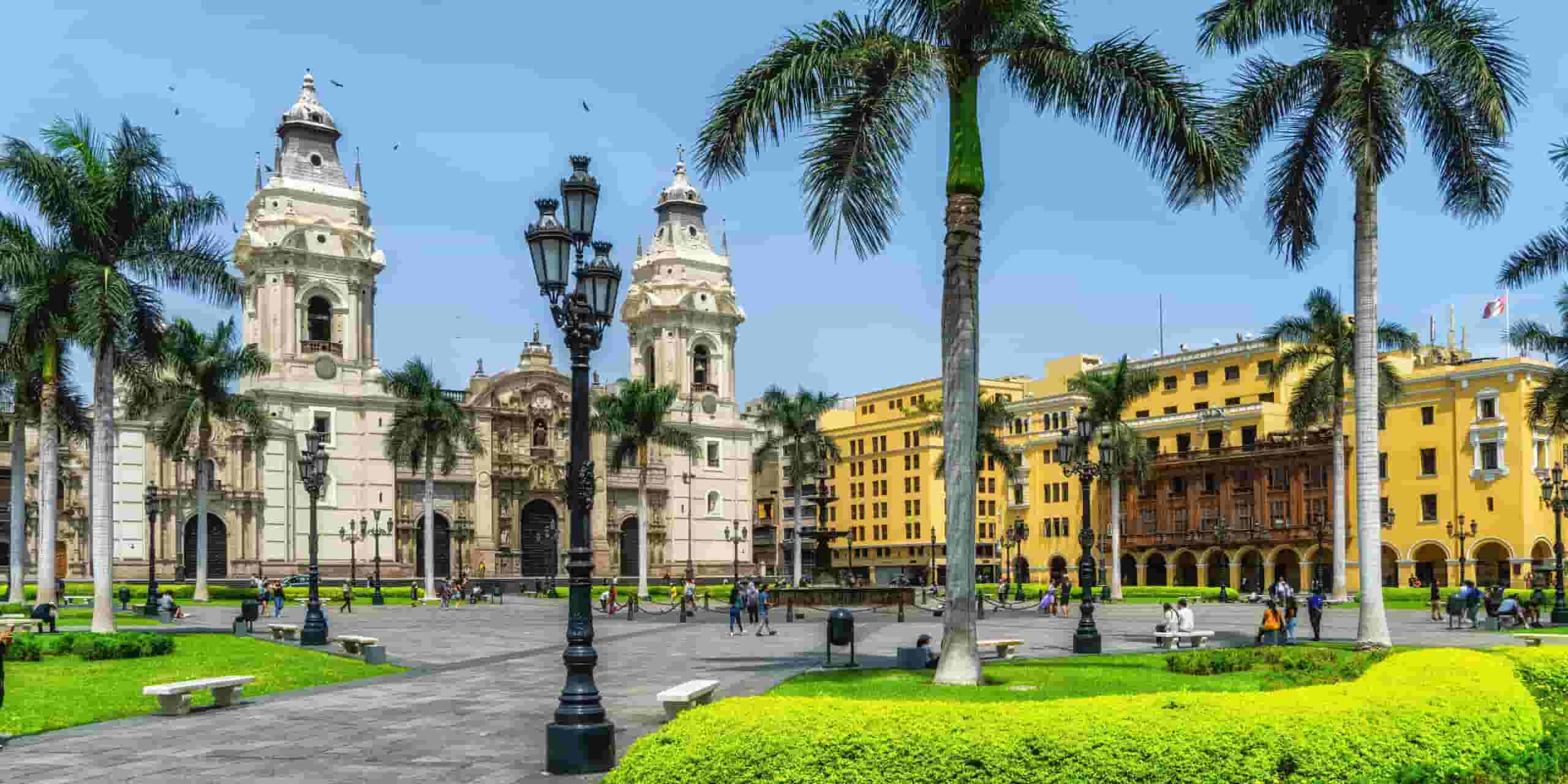
Lima is the vibrant capital of Peru and one of the most fascinating cities on the country’s Pacific coast. Founded in 1535, the city has grown into a dynamic metropolis where pre-Columbian heritage, colonial architecture, modern culture, world-class cuisine, and oceanfront landscapes come together.
For many travelers, the capital is the starting point for discovering Peru. However, this destination deserves much more than a short stop before heading to Cusco or Machu Picchu. From its historic center and ancient archaeological sites to its renowned restaurants and dramatic cliffs overlooking the Pacific Ocean, the city offers a diverse experience that reflects the many cultures and historical periods that have shaped Peru.
Lima: The Gateway to Peru
Located on Peru’s central Pacific coast, the capital is the country’s main international gateway and the largest city in Peru. Its strategic location has made it an important center of commerce, culture, and transportation for centuries.
The city is divided into different districts, each offering a distinct atmosphere. The Historic Center reveals the colonial and republican past, while districts such as Miraflores and Barranco showcase a more contemporary side of the destination, with parks, restaurants, galleries, cafés, and spectacular views of the Pacific.
This contrast makes the capital an excellent introduction to Peru, especially for travelers who want to experience different aspects of the country in a single destination.

The Historic Center of Lima
The Historic Center is one of the best places to begin exploring the capital. Declared a UNESCO World Heritage Site in 1988, the area preserves an extraordinary collection of colonial and republican architecture.
At the heart of the historic district is Plaza Mayor, surrounded by some of the country’s most important landmarks. The square is framed by the Government Palace, the Cathedral of Lima, the Archbishop’s Palace, and historic buildings featuring distinctive wooden balconies.
Walking through the surrounding streets reveals churches, convents, colonial mansions, courtyards, and traditional architectural details that tell the story of the capital during the Spanish colonial period.
The Cathedral of Lima
Located on the eastern side of Plaza Mayor, the Cathedral of Lima is one of the city’s most important religious and architectural landmarks.
Construction began shortly after the foundation of the capital, although the building has been modified and reconstructed several times throughout its history due to earthquakes and changing architectural styles.
Inside, visitors can discover beautiful chapels, religious artwork, ornate altars, and historical tombs. The cathedral reflects the mixture of European artistic influences and local traditions that developed during Peru’s colonial period.

The Monastery of San Francisco and Its Catacombs
Another essential stop in the historic center is the Monastery of San Francisco, famous for its impressive architecture, religious art, library, and underground catacombs.
The complex is recognized for its distinctive yellow façade and beautiful cloisters decorated with colonial tiles.
Below the monastery are the famous Catacombs of San Francisco, where thousands of people were buried during the colonial period. Today, visitors can explore part of this underground network and learn about burial practices during the colonial era.
The monastery offers a fascinating glimpse into the religious and social history of the capital.
Huaca Pucllana: Ancient Lima in the Middle of the City
The city’s history began long before the Spanish arrived. One of the clearest examples is Huaca Pucllana, an impressive pre-Columbian archaeological site located in the modern district of Miraflores.
The site was built by the Lima culture, which developed along Peru’s central coast centuries before the rise of the Inca Empire.
Its enormous adobe pyramid stands in striking contrast to the surrounding modern buildings. Archaeological excavations have revealed ceremonial spaces, plazas, tombs, and evidence of ancient daily life.
Visiting Huaca Pucllana demonstrates how this destination has developed over thousands of years, with ancient settlements existing beneath and alongside the modern metropolis.
Miraflores: Modern Lima by the Pacific
Miraflores is one of the most popular districts among international visitors. Located along the Pacific coast, it combines modern architecture, parks, shopping areas, restaurants, hotels, and spectacular ocean views.
One of the most famous places to visit is the Malecón de Miraflores, a scenic coastal walkway extending along the cliffs above the Pacific.
The area is particularly beautiful around sunset, when the sky changes color over the ocean and visitors gather in parks such as Parque del Amor to enjoy the view.
Miraflores is also a convenient base for travelers looking for restaurants, cafés, cultural attractions, and easy access to other parts of the city.
Barranco: Lima’s Artistic Side
If Miraflores represents the modern coastal character of the capital, Barranco reveals its artistic and bohemian personality.
The district is known for its colorful streets, historic houses, galleries, cafés, restaurants, and lively cultural scene. One of its most famous landmarks is the Puente de los Suspiros, a traditional wooden bridge associated with local legends and romantic stories.
Barranco is especially enjoyable in the late afternoon and evening, when visitors can explore its streets, discover local art, and experience the city’s creative atmosphere.
Lima: A World-Class Culinary Destination
No visit to the capital would be complete without experiencing its cuisine. The city has become internationally recognized as one of the world’s leading gastronomic destinations.
Lima’s food reflects Peru’s extraordinary cultural diversity, combining Indigenous ingredients and traditions with influences brought by Spanish, African, Chinese, Japanese, Italian, and other immigrant communities.
Some of the dishes visitors should look for include ceviche, lomo saltado, causa, ají de gallina, anticuchos, and arroz con mariscos.
The culinary scene ranges from traditional markets and neighborhood restaurants to internationally acclaimed dining establishments. This diversity makes the city an excellent place to discover the flavors of Peru before continuing your journey through the country.
Museums: Discover Peru’s Ancient Civilizations
The capital is also home to some of Peru’s most important museums, making it an excellent destination for travelers interested in archaeology and history.
The Larco Museum, for example, houses an extensive collection of pre-Columbian art and archaeological objects, offering visitors an opportunity to learn about several ancient civilizations that developed across Peru.
Other museums throughout the city provide insight into Peru’s archaeological heritage, colonial history, contemporary art, and cultural diversity.
For travelers heading to destinations such as Cusco, Machu Picchu, or the Sacred Valley, visiting a museum here can provide valuable historical context for understanding Peru’s ancient civilizations.
The Pacific Coast and Lima’s Natural Landscape
Although the capital is a huge urban center, its relationship with the Pacific Ocean is one of its defining characteristics.
The city’s cliffs provide dramatic viewpoints over the coastline, while its beaches attract residents and visitors throughout the year. Activities such as cycling, paragliding, surfing, and coastal walks allow travelers to experience a different side of the destination.
The surrounding desert landscape also reminds visitors that the city exists in one of the world’s most arid coastal environments. The combination of desert, ocean, and urban life gives the capital a distinctive character unlike any other major destination in Peru.
When to Visit Lima
The capital can be visited throughout the year, although its weather varies considerably by season.
The summer months, generally from December to March, tend to bring warmer temperatures and clearer skies. These months are particularly enjoyable for exploring the coastline and outdoor areas.
During the winter months, from approximately June to September, the city is often characterized by cooler temperatures, cloudy skies, and coastal mist known locally as garúa. Rain is generally limited, despite the city’s extensive cloud cover.
Regardless of the season, visitors can enjoy museums, restaurants, historical attractions, markets, and cultural experiences throughout the year.
Discover Lima with Southern Peru Explorers
Lima is much more than a gateway to the rest of Peru. It is a city where ancient civilizations, colonial history, modern culture, Pacific landscapes, and extraordinary cuisine come together.
From the historic streets of downtown Lima and the archaeological remains of Huaca Pucllana to the cliffs of Miraflores and the artistic atmosphere of Barranco, the capital offers travelers a fascinating introduction to Peru.
Whether you have one day or several days to explore, Lima provides an opportunity to discover the diverse history and culture that make Peru such a remarkable destination.
Discover Lima with Southern Peru Explorers and experience the history, culture, cuisine, and coastal beauty of Peru’s vibrant capital.