This guide is continuously maintained and verified by our resident Andean mountain leaders, ensuring accurate permit guidance, altitude protocols, and route recommendations for travelers in Peru.
Table of Contents (10 Sections)
- 1 What is the currency in Cusco?
- 2 Does Cusco have seasons?
- 3 Cusco F.A.Q: What is the best time to visit Cusco?
- 4 Can I drink tap water in Cusco?
- 5 What type of electrical plugs are used in Cusco?
- 6 Is Cusco safe for tourists?
- 7 Where is Cusco Airport located?
- 8 Do I need to acclimatize before trekking in Cusco?
- 9 Is internet and mobile signal available in Cusco?
- 10 Cusco F.A.Q: What should I pack for Cusco?
The Cusco F.A.Q section is designed to help travelers quickly find clear and practical answers before visiting this incredible Andean city. It brings together the most important information you need to plan your trip with confidence, especially if it is your first time in Cusco or Peru.
Understanding how Cusco works as a high-altitude destination can make a big difference in your experience. From weather conditions and currency to safety tips and transportation, having the right details in advance helps you avoid surprises and enjoy your stay more comfortably.
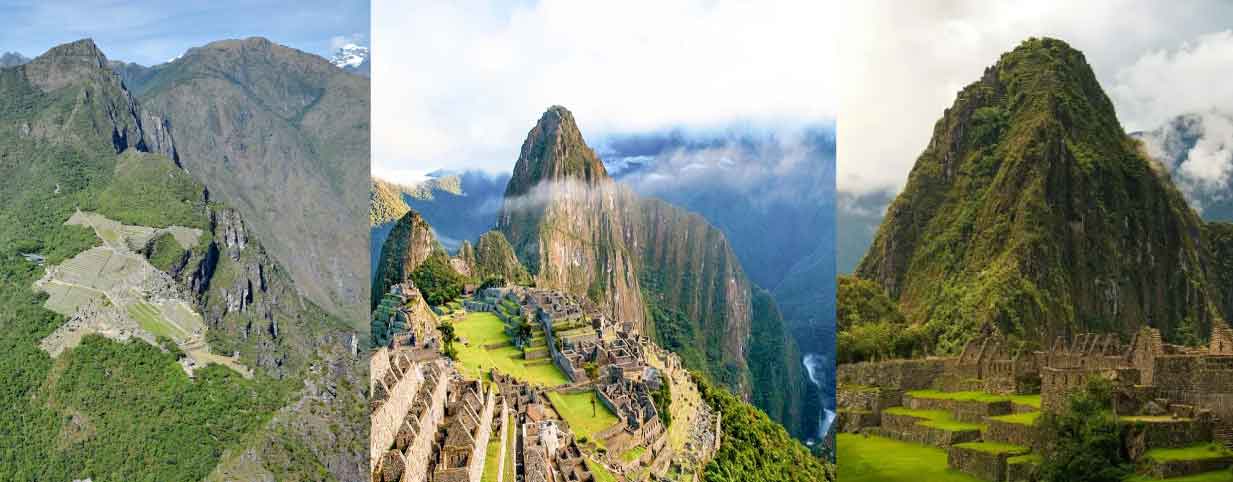
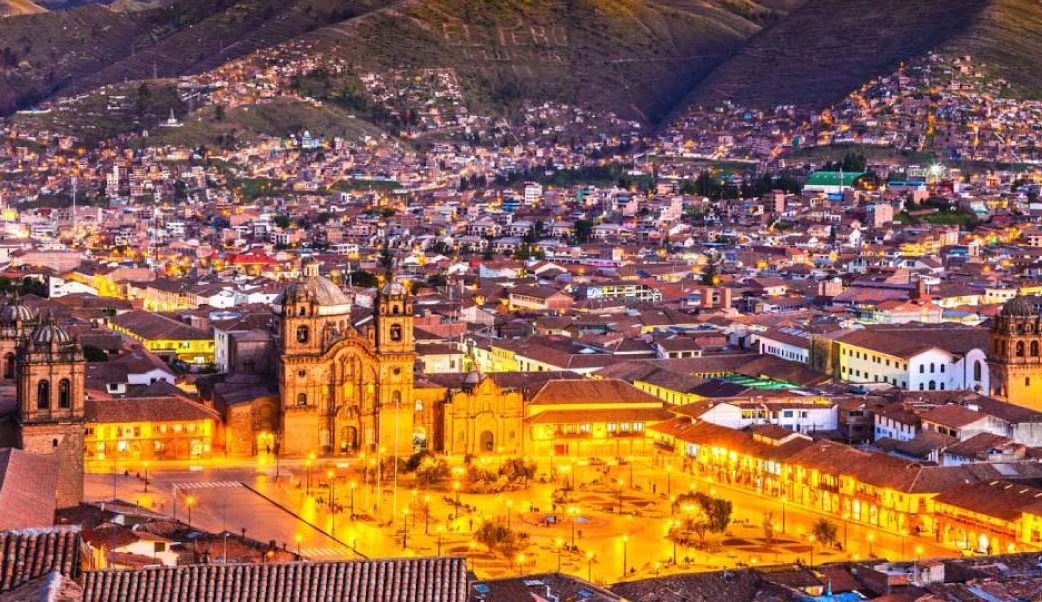
Cusco is not only a gateway to Machu Picchu but also a living city full of history, culture, and daily local life. That is why knowing small but important details such as altitude adaptation, local customs, and basic travel logistics can greatly improve your journey.
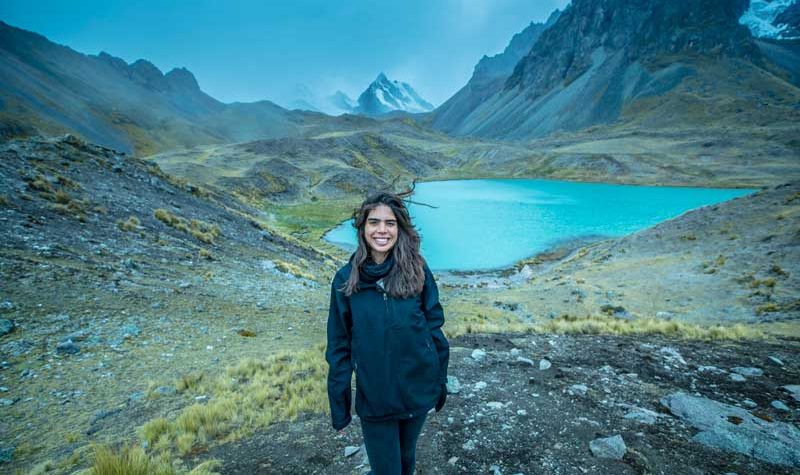
This Cusco F.A.Q guide is created to be simple, useful, and easy to read, helping you prepare for everything from arrival in the city to exploring the surrounding attractions like the Sacred Valley, Rainbow Mountain, and beyond.
What is the currency in Cusco?#
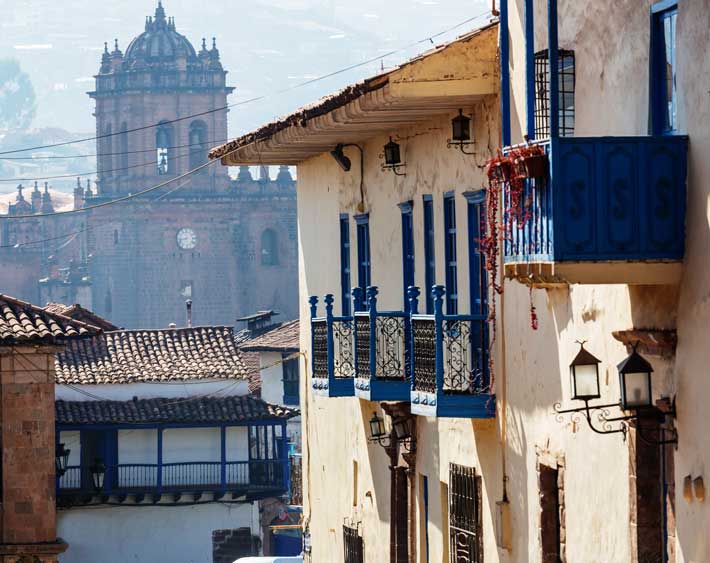
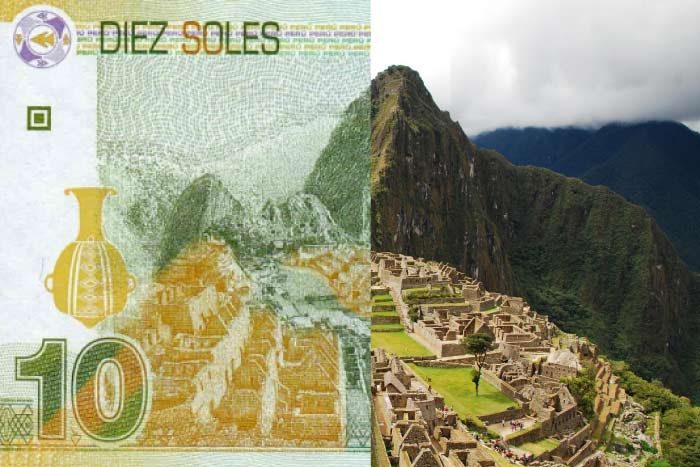
The official currency in Peru is the Peruvian Sol (PEN), usually written as S/. Cash is still widely used in Cusco, especially in local markets, small restaurants, street vendors, and rural areas. ATMs are widely available in the city center, and most hotels, restaurants, and tour operators accept credit or debit cards. It is recommended to carry small bills for daily expenses, taxis, and tips, as change for large notes is not always available in smaller shops.
Does Cusco have seasons?#
Yes, Cusco has two main seasons due to its Andean location:
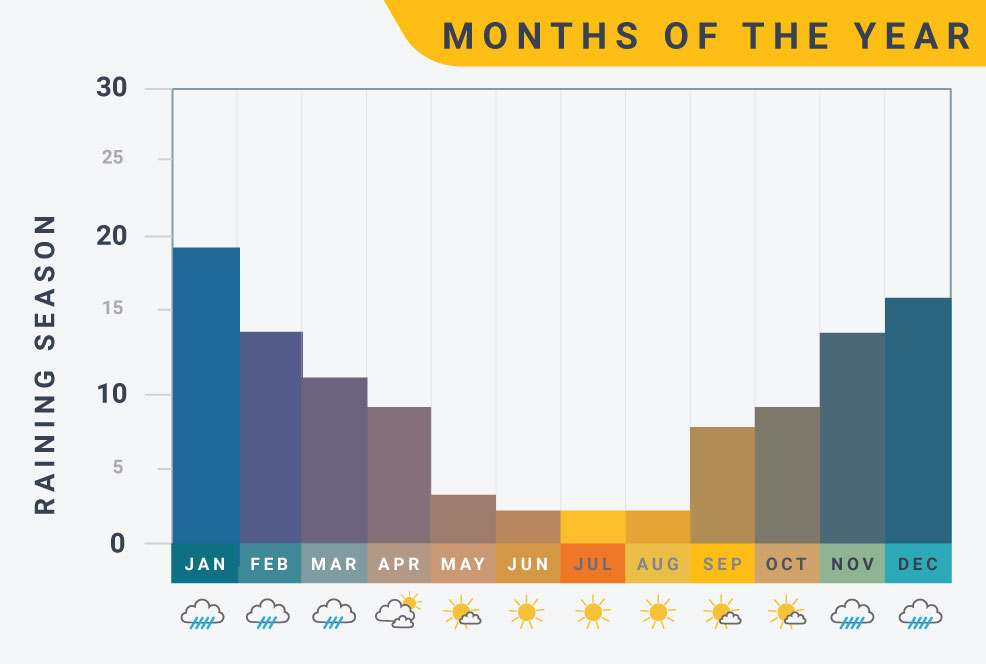
- Wet season (November – March): warmer temperatures, frequent rain showers, and greener landscapes
- Dry season (April – October): sunny days, cold nights, and the best conditions for trekking
Even during the wet season, mornings can be clear, so weather can vary throughout the day. The dry season is generally more predictable, especially for outdoor activities like Machu Picchu, Sacred Valley tours, and Rainbow Mountain hikes.
Cusco F.A.Q: What is the best time to visit Cusco?#
The best time to visit Cusco is during the dry season, particularly from May to September, when skies are clearer and trekking routes are in better condition. This period is ideal for hiking and exploring archaeological sites.
June is especially important because of cultural events like Inti Raymi, the Festival of the Sun, which takes place in Cusco with traditional ceremonies, music, and performances. The city is livelier then, but also more crowded, and you need to book earlier.
Can I drink tap water in Cusco?#
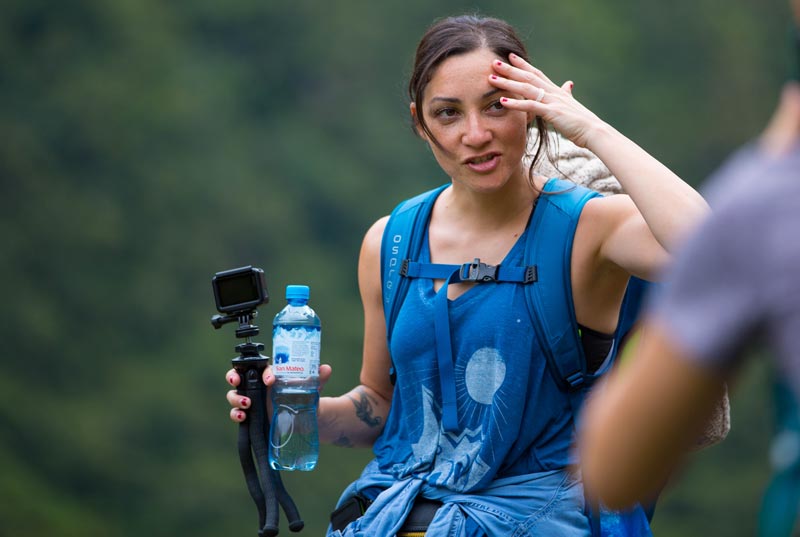
No, tap water in Cusco is not safe for drinking. Travelers should only use bottled, filtered, or boiled water. This also applies to brushing teeth and consuming ice in drinks. Bottled water is easy to find in shops, supermarkets, and hotels throughout the city, and most accommodations provide safe drinking water or refill stations.
What type of electrical plugs are used in Cusco?#
Cusco uses Type A, B, and C plugs, with a standard voltage of 220V. Travelers from different regions will likely need an adapter, which can easily be purchased in local stores. Many hotels also provide adapters on request. It is recommended to bring a universal adapter if you plan to travel to multiple regions in Peru.
Is Cusco safe for tourists?#
Yes, Cusco is generally considered safe for tourists, especially in well-visited areas such as the Historic Center, San Blas, and surrounding tourist districts. The city is heavily dependent on tourism, so there is a strong presence of services and security in main areas.
However, as in any travel destination, basic precautions are important: avoid carrying valuables openly, be aware of your surroundings in crowded places, and use official or trusted transportation services, especially at night. Most travelers experience Cusco without issues.
Where is Cusco Airport located?#
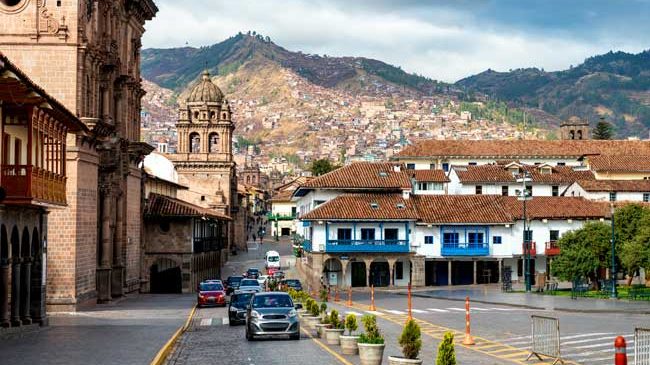
The Alejandro Velasco Astete International Airport is located just 10–15 minutes from the city center. Because of its proximity, transfers are quick and convenient. Taxis and private transfers are available outside the terminal, and most hotels can arrange airport pick-up services in advance.
Do I need to acclimatize before trekking in Cusco?#
Yes, acclimatization is highly recommended. Cusco sits at approximately 3,400 meters (11,150 ft) above sea level, and some visitors may experience mild altitude symptoms such as fatigue or shortness of breath during the first days.
It is advisable to rest on arrival, avoid heavy meals and alcohol, and drink plenty of water or coca tea. Spending at least 1–2 days in Cusco before starting high-altitude treks like Rainbow Mountain or Ausangate significantly improves the experience.

Is internet and mobile signal available in Cusco?#
Yes, Cusco has good internet coverage in most hotels, restaurants, and cafes, especially in the city center. Mobile data also works well in urban areas, and SIM cards are easy to purchase locally.
However, in remote trekking areas such as Rainbow Mountain, Ausangate, or the Sacred Valley trails, mobile signal may be limited or completely unavailable. It is recommended to inform family or friends before heading into these regions.
Cusco F.A.Q: What should I pack for Cusco?#
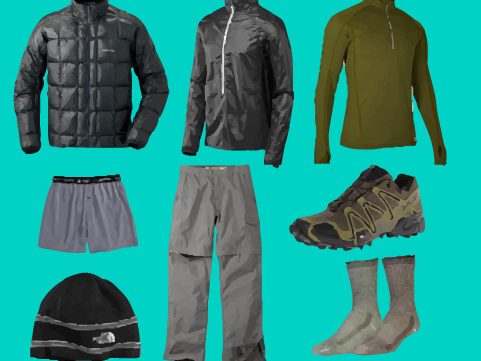
Because of the changing climate, it is important to pack layers. Essentials include a warm jacket, waterproof clothing, comfortable hiking shoes, sunscreen, sunglasses, and a hat. The weather can shift quickly between sunny and cold conditions, especially at higher altitudes.

Written by Joel Cárdenas Gonzales
Founder & CEOFounder and CEO of Southern Peru Explorers since 2009. Born in Cusco and trained as an official tour guide at Instituto Khipu. About the author