This guide is continuously maintained and verified by our resident Andean mountain leaders, ensuring accurate permit guidance, altitude protocols, and route recommendations for travelers in Peru.
Table of Contents (9 Sections)
- 1 Salkantay Trekking: A Guide to the Salkantay Route to Machu Picchu
- 2 What is Salkantay Trekking?
- 3 Why Choose Salkantay Trekking?
- 4 The Route and Terrain
- 5 Salkantay Trekking Options
- 6 Best Time for Salkantay Trekking
- 7 How Difficult is Salkantay Trekking?
- 8 What Makes Salkantay Trekking Unique?
- 9 Is Salkantay Trekking Worth It?
Salkantay Trekking: A Guide to the Salkantay Route to Machu Picchu#
What is Salkantay Trekking?#
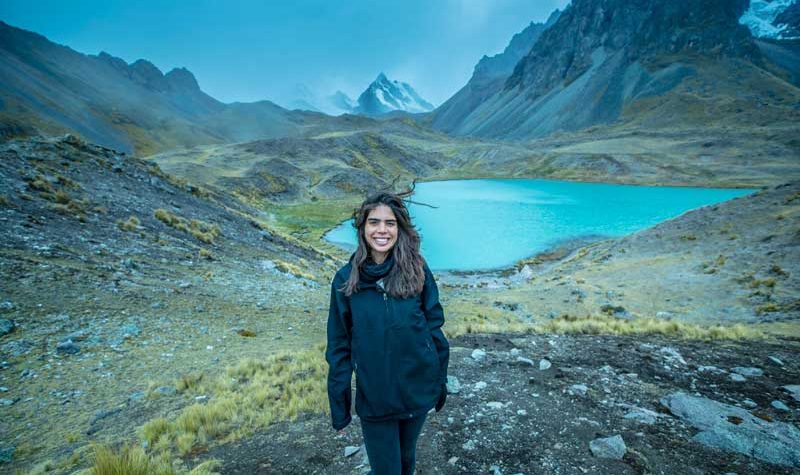
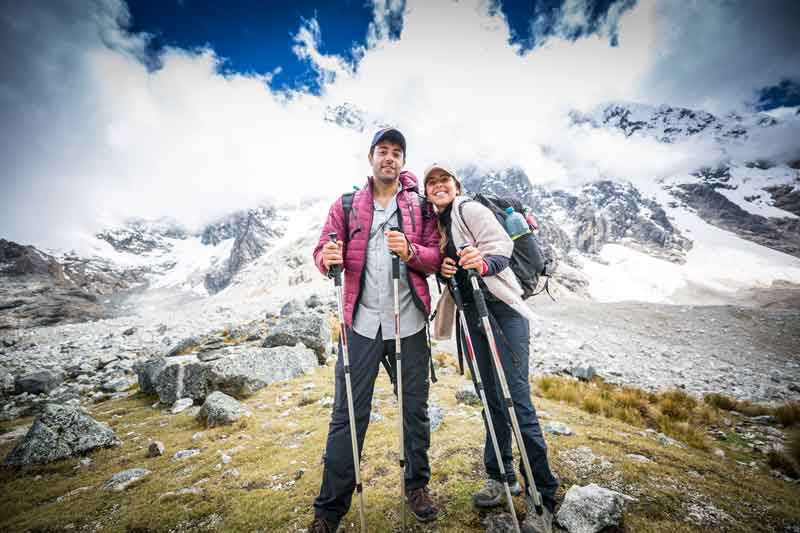
Salkantay Trekking is one of the most spectacular hiking experiences in Peru and the most popular alternative route to Machu Picchu after the Classic Inca Trail. The route crosses very different landscapes in a few days: snow-capped mountains, the turquoise Humantay Lake, cloud forest and warm valleys with coffee farms.
The trek is named after the impressive Salkantay Mountain, a sacred mountain that rises to 6,271 meters (20,574 feet) above sea level. Revered by local Andean communities for centuries, Salkantay is considered an “Apu,” or mountain spirit, believed to protect the surrounding lands and people.
Unlike the Classic Inca Trail, Salkantay Trekking does not require a government-issued trekking permit, making it an excellent option for travelers looking for flexibility while still enjoying a world-class trekking experience that culminates at the legendary Machu Picchu.
Why Choose Salkantay Trekking?#
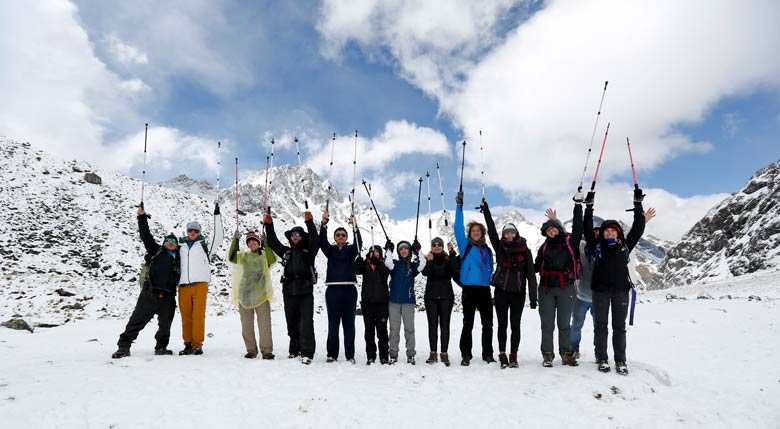
Thousands of hikers choose the Salkantay route every year for its mountain scenery and because it needs no Inca Trail permit. The trail traverses several ecological zones, offering a constantly changing landscape that few treks in the world can match.
Main Advantages of Salkantay Trekking
| Feature | Salkantay Trek | Classic Inca Trail |
|---|---|---|
| Permit Required | No | Yes |
| Difficulty | Moderate to Challenging | Moderate |
| Maximum Altitude | 4,630 m | 4,215 m |
| Mountain Scenery | Excellent | Good |
| Crowds | Moderate | High |
| Flexibility | High | Limited |
| Access to Machu Picchu | Yes | Yes |
The combination of remote mountain landscapes and fewer restrictions makes Salkantay Trekking one of South America’s most rewarding hiking adventures.
The Route and Terrain#
One of the highlights of Salkantay Trekking is the incredible variety of terrain encountered throughout the journey.
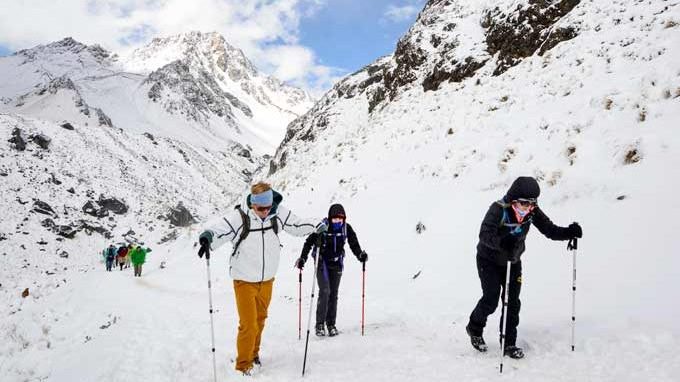
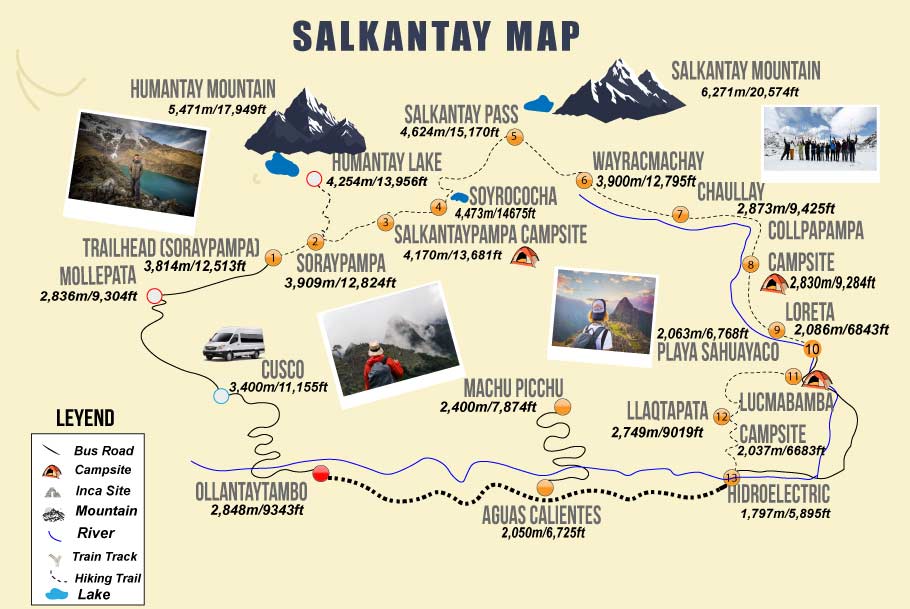
The adventure begins in the high Andes, where rugged peaks dominate the landscape. As hikers gain altitude, they reach the famous Salkantay Pass at 4,630 meters (15,190 feet), the highest point of the trek.
After crossing the pass, the scenery dramatically changes. The route descends into cloud forests and eventually reaches subtropical valleys filled with orchids, hummingbirds, coffee plantations, and lush vegetation.
Landscapes You Will Experience
- Snow-capped mountains
- High-altitude grasslands
- Glacial lakes
- Deep Andean valleys
- Cloud forests
- Tropical jungle
- Ancient Inca archaeological sites
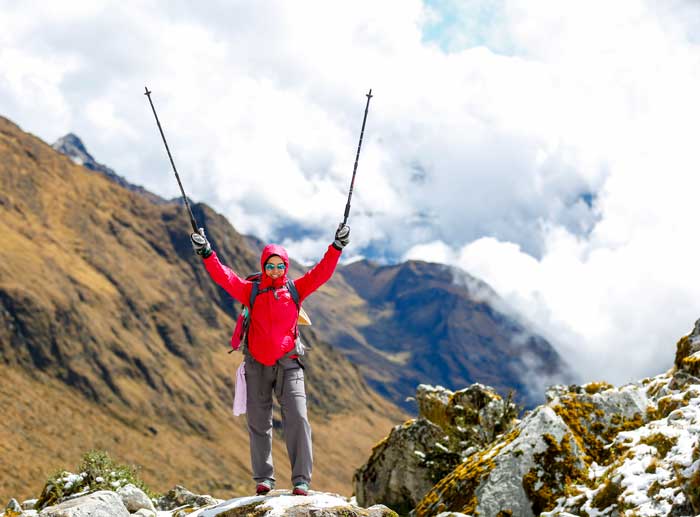
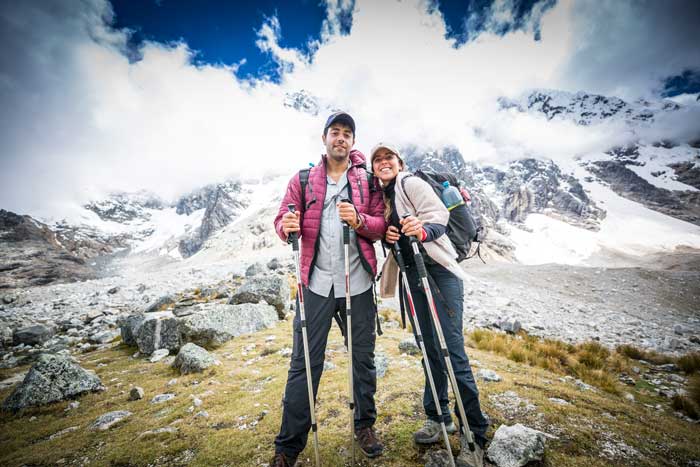
Few trekking routes in Peru offer such a dramatic transition between ecosystems in just a few days.
Salkantay Trekking Options#
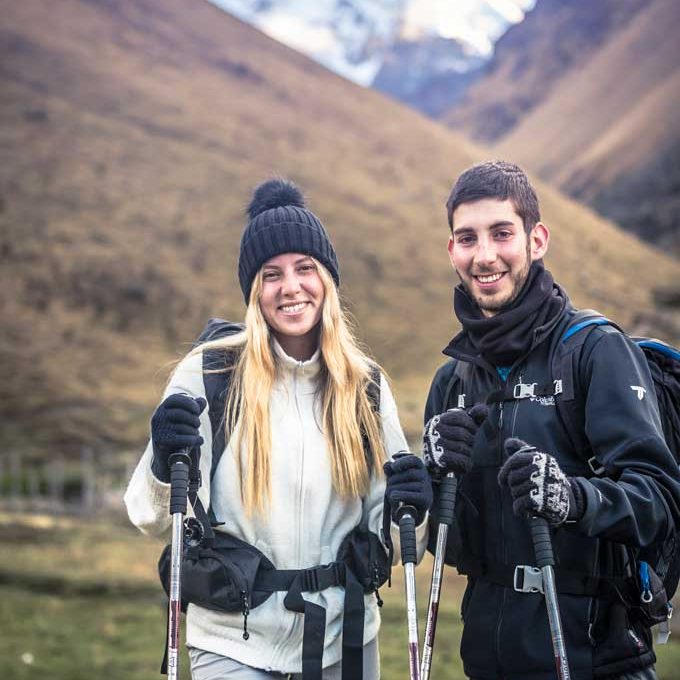
Southern Peru Explorers offers several trekking alternatives designed to fit different travel styles and fitness levels.
Salkantay Trek 5 Days
The classic itinerary is ideal for travelers who want the complete Salkantay experience.
| Details | Information |
|---|---|
| Duration | 5 Days / 4 Nights |
| Hiking Distance | 74 km |
| Maximum Altitude | 4,630 m |
| Camping Nights | 3 |
| Hotel Nights | 1 |
| Difficulty | Challenging |
Highlights
- Humantay Lake
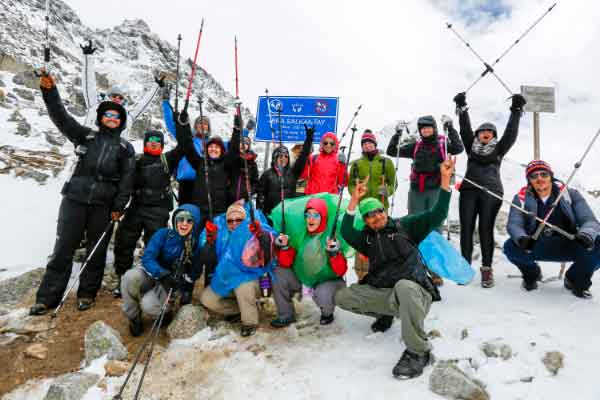
- Salkantay Pass
- Cloud Forest
- Coffee Plantations
- Llactapata Ruins
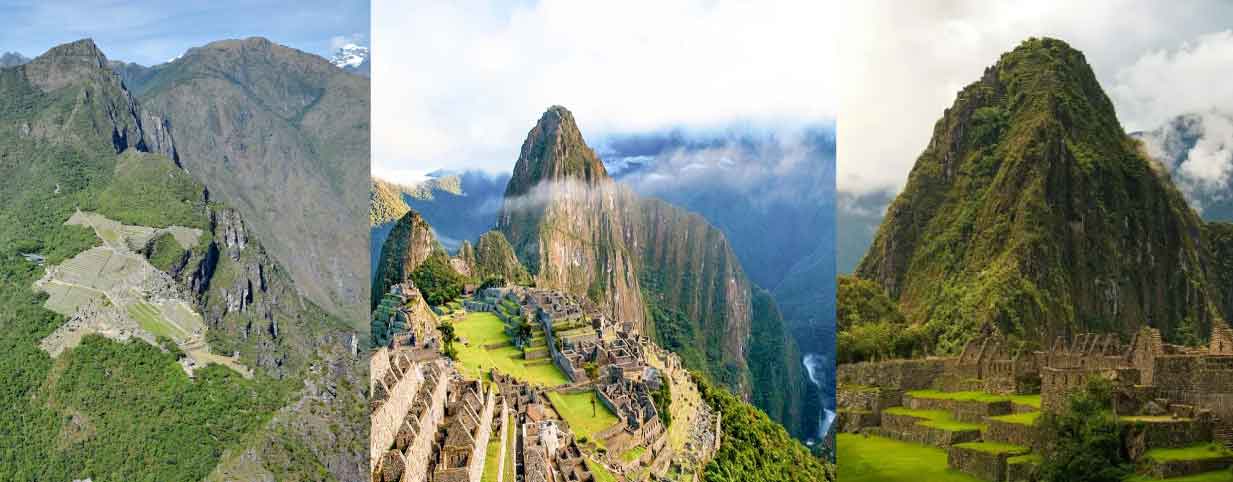
- Machu Picchu
Tailor-Made Trekking Options
For travelers seeking a personalized experience, customized itineraries can include:
- Salkantay Trek + Sacred Valley
- Salkantay Trek + Inca Trail
- Luxury Lodge-to-Lodge Trek
- Private Guided Treks
- Family-Friendly Adventures
Best Time for Salkantay Trekking#
Weather plays a significant role in planning your trek.
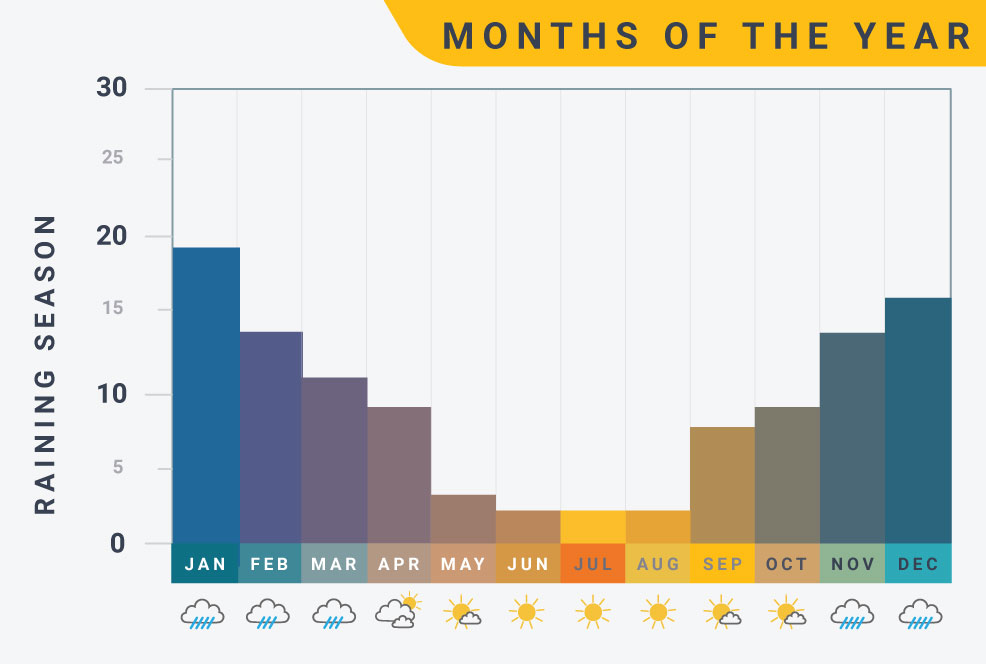
Dry Season (May to October)
The dry season is considered the best time for Salkantay Trekking.
| Advantage | Description |
|---|---|
| Clear Skies | Better mountain views |
| Less Rain | More comfortable hiking |
| Better Photography | Excellent visibility |
| Stable Conditions | Predictable weather |
However, nighttime temperatures can fall below freezing at higher elevations.
Wet Season (November to April)
The rainy season brings greener landscapes and fewer tourists.
| Advantage | Description |
|---|---|
| Lush Vegetation | Beautiful scenery |
| Fewer Crowds | More peaceful experience |
| Warmer Temperatures | Especially at night |
Rainfall is common, especially from January through March, so proper waterproof equipment is essential.
How Difficult is Salkantay Trekking?#
Salkantay Trekking is considered a moderate to challenging trek due to its altitude and long hiking distances.
Physical Requirements
You should consider this trek if you:
✅ Enjoy long-distance hiking
✅ Have good cardiovascular fitness
✅ Can walk 6–9 hours per day
✅ Have previous experience at altitude (recommended)
Main Challenges
- High altitude
- Steep ascents and descents
- Variable weather conditions
- Consecutive days of hiking
Despite these challenges, most active travelers successfully complete the trek with proper preparation and acclimatization.
What Makes Salkantay Trekking Unique?#
Many travel magazines and adventure organizations rank the Salkantay Trek among the world’s best hikes. What sets it apart is the extraordinary diversity encountered along the route.
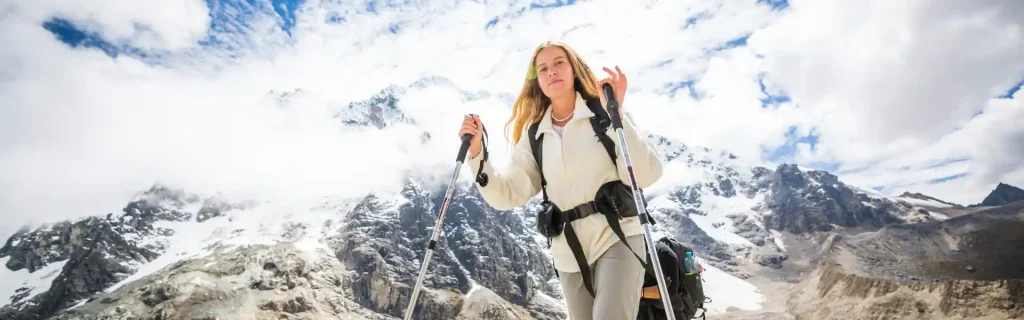
Within just a few days, hikers can stand beside glacial lakes, cross high mountain passes, walk through cloud forests, and finish their adventure at one of the world’s most iconic archaeological sites: Machu Picchu.
Additionally, because no permit is required months in advance, Salkantay Trekking offers greater flexibility for travelers planning their Peru itinerary.
Is Salkantay Trekking Worth It?#
Absolutely.
If you want a demanding trek with fewer people than the Inca Trail, Salkantay is one of the best routes to Machu Picchu.
You can do it on our 5-day tour, combine it with the Inca Trail over 7 days, or ask us for a custom itinerary. The highlights are Humantay Lake, the pass below Salkantay mountain and the arrival at Machu Picchu.

Written by Joel Cárdenas Gonzales
Founder & CEOFounder and CEO of Southern Peru Explorers since 2009. Born in Cusco and trained as an official tour guide at Instituto Khipu. About the author