This guide is continuously maintained and verified by our resident Andean mountain leaders, ensuring accurate permit guidance, altitude protocols, and route recommendations for travelers in Peru.
Table of Contents (5 Sections)
Explore the fascinating history of Maras Moray Sacred Valley and discover one of the most unique destinations in the Andes. This remarkable area combines impressive Inca engineering with breathtaking natural landscapes, making it a must-visit stop during your journey through the Sacred Valley.
In this guide, you’ll learn everything you need to plan your visit from what to see in the iconic circular terraces of Moray and the stunning salt mines of Maras, to how to get there, the best time to visit, and practical travel tips. Whether you’re interested in history, photography, or simply experiencing the beauty of the region, Maras and Moray offer an unforgettable glimpse into the ingenuity and culture of the Inca civilization.
Location#
The settlements and ancient sites of Maras Moray Sacred Valley are unlike anything else you will find within the Sacred Valley or anywhere else in Peru. Located in the highlands northwest of Cusco, this unique area sits at over 3,000 meters (9,800 ft) above sea level, surrounded by dramatic Andean landscapes and traditional farming communities.
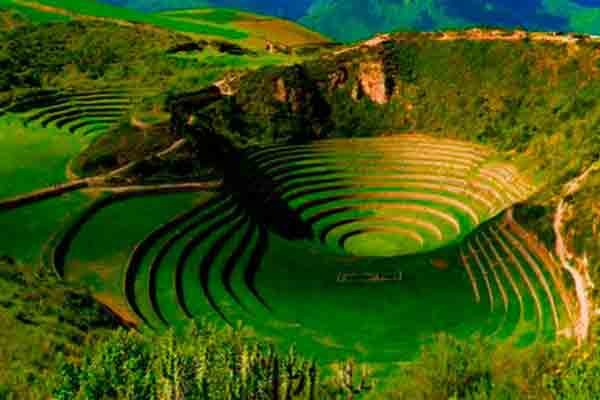
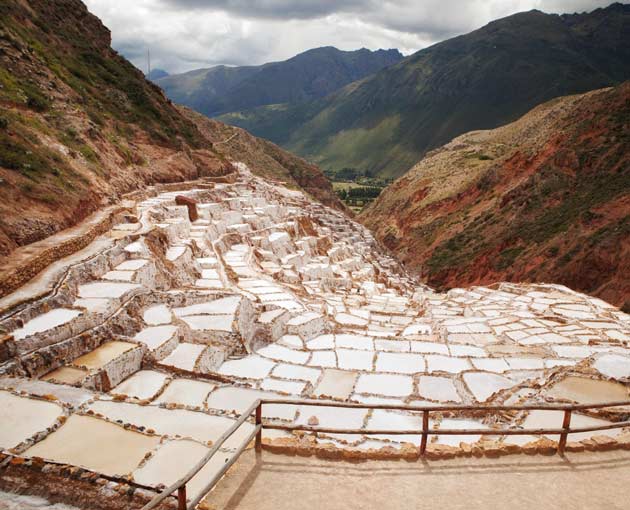
Maras is best known for its spectacular salt mines, made up of thousands of small, terraced pools that have been used since pre-Inca times. Just a short distance away, Moray features a series of mysterious circular terraces believed to have been an agricultural laboratory of the Incas. Together, these sites offer a fascinating contrast between natural beauty and ancient innovation.
Thanks to their location, visiting Maras and Moray provides not only historical insight but also panoramic views of the Sacred Valley and the surrounding mountains. Whether you arrive by car, guided tour, or even by bike, the journey itself is part of the experience. These sites can be explored in a single day and are often combined with other nearby attractions, making them an essential stop for travelers looking to go beyond the traditional routes.
The Maras Town#
Maras and Moray are often visited together due to their close proximity and together they form one of the most fascinating cultural and archaeological experiences in the Sacred Valley. These sites are home to some of the most impressive Inca-era constructions in Peru, combining ancient engineering with breathtaking Andean scenery.
It is possible to walk between Maras and Moray, which takes approximately one hour, offering scenic views of the countryside along the way. Alternatively, you can take a taxi or a local moto-taxi, which usually takes around 15 minutes, making it a quick and convenient connection between both sites.
- Distance from Cusco:
Maras / Moray – approximately 53 km - Travel time via bus:
Around 1 to 1¼ hours depending on traffic and route - Altitude:
Moray – approx. 3,500 m (11,480 ft)
Maras – approx. 3,380 m (11,090 ft) - Tourist ticket required:
Moray Terraces (included in the Cusco Tourist Ticket – Boleto Turístico del Cusco)
Maras Salt flats and terraces#
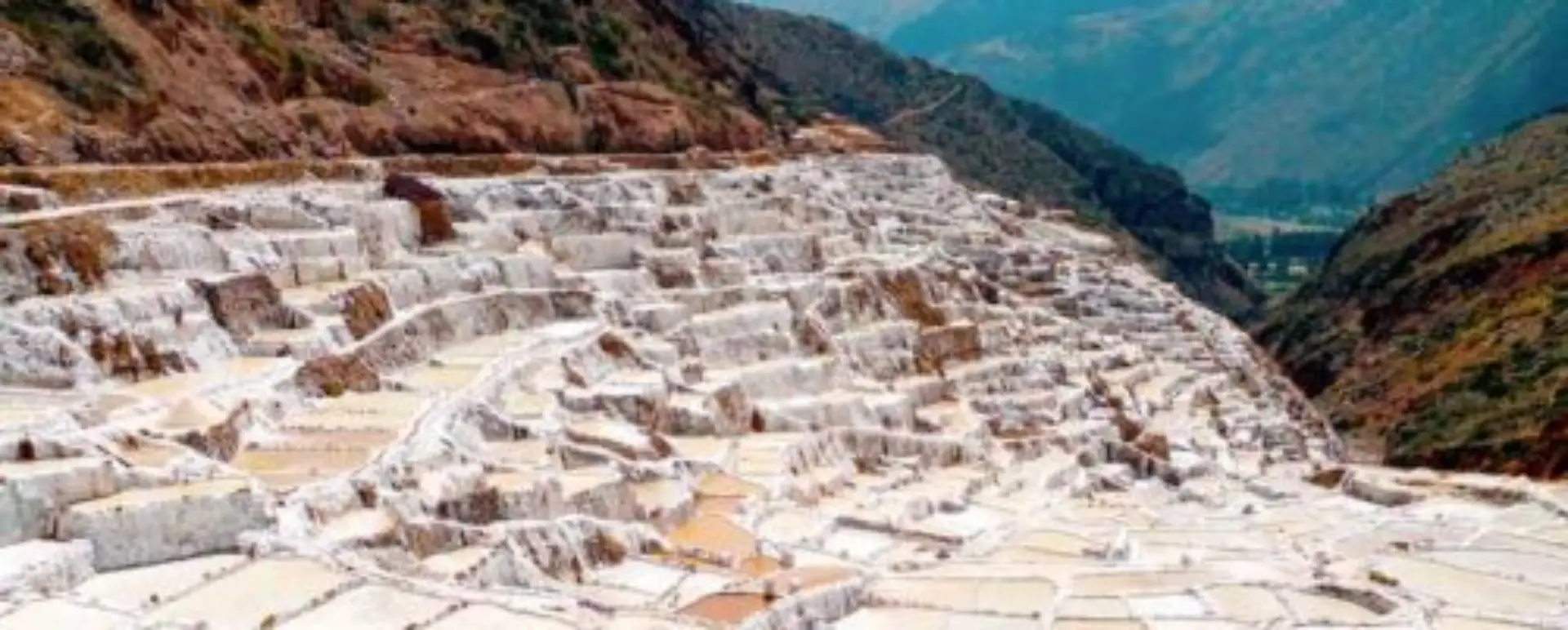
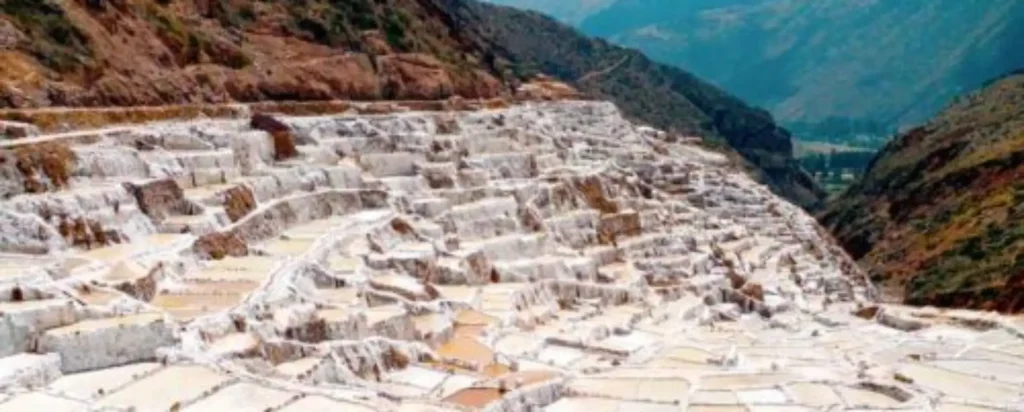
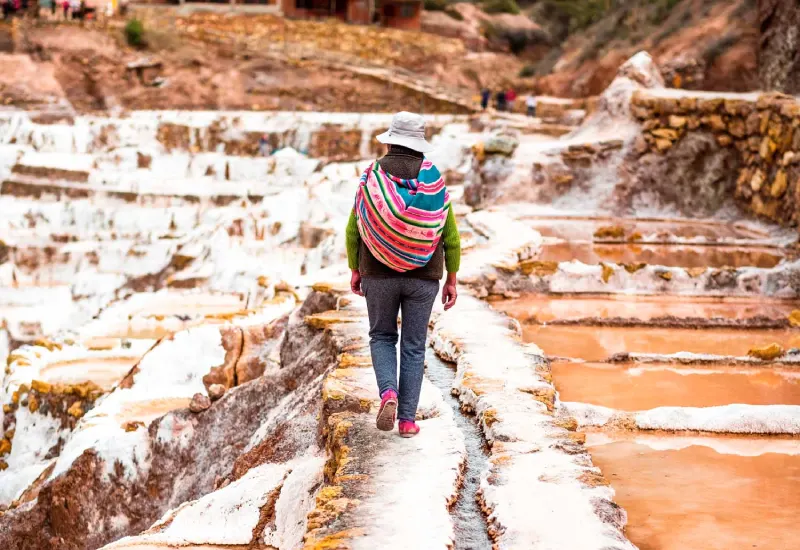
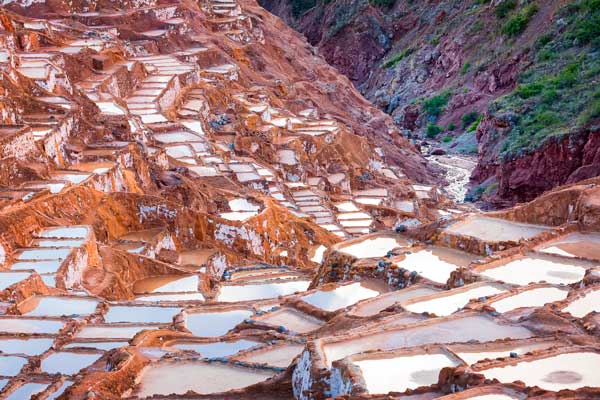
These ancient man made ponds that intercept the hillside like a 3D puzzle piece is another spectacular engineering agricultural feat of the Inca’s. The thousands of self evaporating ponds that are fed by 2 streams : one of salt water and one of fresh.
The mini pools are individually controlled such as a damn, to close off or except water depending on where they are in the cycle. Once the pools have evaporated they are harvested for their salt crystals which are used within the communities and traded within markets. The whole process is still very similar to that of the Incas, with very little change in the maintenance, harvesting transportation or selling methods.
The salt ponds are purchased on a separate ticket from the tourist ticket. 10 /S on the gate. Must be in cash and not foreign currency.
Moray The Archeological Site#
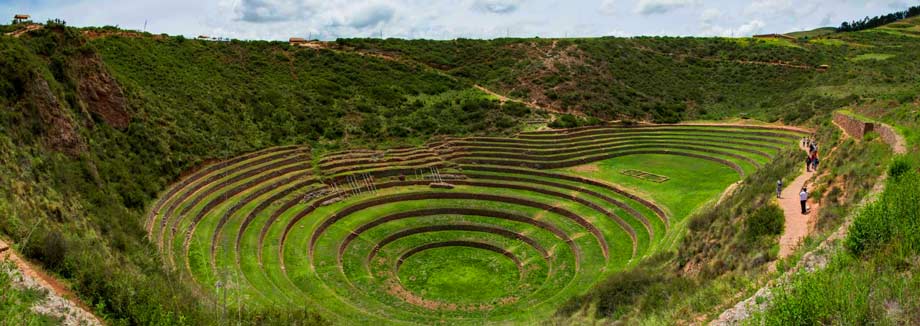
These mysterious and bizarre formations NorthWest of Cusco, show the ingenious solutions of the within the Inca community, mostly believed by historians to be of an agricultural purpose.
As such Moray is widely accepted as a part of the agricultural sector of the sacred valley and These circular crops very in depth and size and as such create their own microclimate. This site does require a cusco Tourist ticket in order to access it.
Ways to tour these sites:#
Walking around the sites once there is obviously a must however along side having a tour bus or getting a taxi up to these places you can also take some of the options presented in the adrenaline adventures. These include taking ATV’s (Quad Bikes) or horse rides.

Written by Joel Cárdenas Gonzales
Founder & CEOFounder and CEO of Southern Peru Explorers since 2009. Born in Cusco and trained as an official tour guide at Instituto Khipu. About the author