Discover all the essential Machu Picchu Information to plan your visit and enjoy this incredible wonder of the world.
What is Machu Picchu?
Many have heard about this wonder of the world, however, few have real insight until they visit. Keep a step ahead & find out about this jewel of Peru, understanding exactly what it has to offer. In this section, we will provide you all the Machu Picchu’s information to be best prepared for this incredible journey!


A little bit history of the Incas
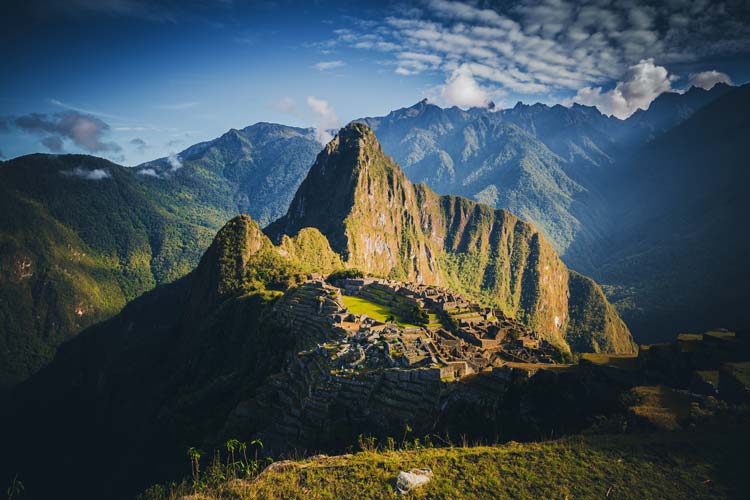
Machu Picchu is a nearly intact archaeological city built in the 15th century by the ancient Peruvian civilizations of the Incas. It is located North of the city of Cusco which used to be the capital of this Incan civilization. It is located 2,430 meters above sea level, hidden in the mist and clutches of the Andean mountains. It is an expansive maze of a now unused city, which plays host to agricultural terraces, houses, drainage systems, schools, hospitals, alongside worshiping and sacrificial temples.
The Incas who inhabited this ancient city were predominantly an agricultural civilization who used technology, engineering, and astronomy to work towards this goal. It is not so surprising then that they were nature worshipers, with their deities being the mother (nature), the father (mountains) and most importantly, the sun. They believed in balance and strived for this in everything that they did. Recognizing the opposites and equals of things in nature, creating symmetry within their buildings and structures and understanding the balance of the agricultural patterns.
They had a strict hierarchy system that started with the Inca (the king) at the top and went down to the farm workers. Even though there was a classification system in society, each role was arduous, and work was filled properly as the Inca abhorred laziness.
Unlike close civilizations such as the Aztecs and Mayans, there is no indication of any monetary system among the Incas. Instead a reciprocal culture was in force, meaning that one must help another without payment; however, if that person was ever in need, they would also receive support. Each person was expected to work; each person received all that they needed in a distribution of wealth within the society.


Conservation and Integrity of Machu Picchu
The Sanctuary of Machu Picchu meets the integrity criteria, as the natural and human-made features that contribute to its Outstanding Universal Value are largely contained within its boundaries. The visual connection between the main archaeological site of the Historic Sanctuary of Machu Picchu and its surrounding mountain environment has remained mostly unchanged for many years. Thanks to the decision of the Inca king, Pachacutec, who ordered to destroy the roads leading to the sacred site, knowing that the Spanish were on their way. Machu Picchu Information Machu Picchu Information
It would be beneficial to expand the property to include a broader range of human-land interactions, as well as additional cultural sites like Pisac and Ollantaytambo in the Sacred Valley. Including a larger portion of the Urubamba watershed would help strengthen the overall integrity. In particular, conserving the rare and unique plant and animal species would benefit from a more comprehensive management approach that includes the surrounding lands. However, there are many documented threats that put the site’s integrity at risk, requiring administrations’ attention.

Authenticity of Machu Picchu
Upon the abandonment of the Historic Sanctuary of Machu Picchu at the beginning of the sixteenth century, flora growth and isolation ensured the nature and architectural preservation. Although the design, materials, and structures have suffered slight changes due to the fabric’s decay, the authenticity conditions have not changed. The rediscovery in 1911 and subsequent archaeological excavations and conservation interventions have followed practices and international standards that have maintained the property’s attributes.
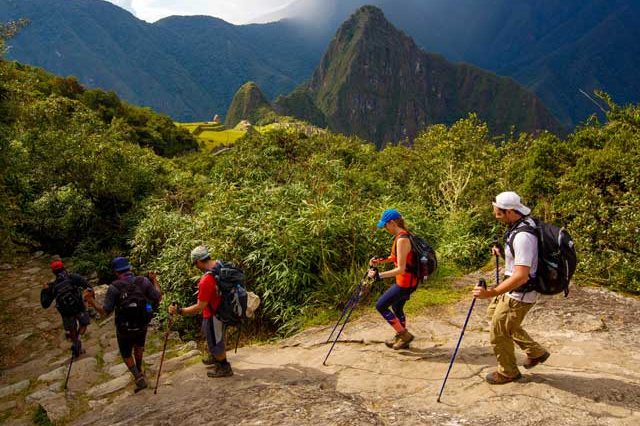
There are several options existing in order to keep preserving this fragile environment. We recommend, for instance, accessing the Machu Picchu after a multiple-day trek. The classic Inca Trail (Camino Inca) offers the possibility to hike the same path that the former Inca civilization, from Cusco to the sacred city. Going through the Sun Gate (Inti Punku) on the last day is an amazing way to connect to the integrity and authenticity of the place.