This guide is continuously maintained and verified by our resident Andean mountain leaders, ensuring accurate permit guidance, altitude protocols, and route recommendations for travelers in Peru.
Table of Contents (2 Sections)
This guide covers the history of Machu Picchu.
The site of Machu Picchu has a long and partly unknown history behind its stone walls. Within this section learn about its construction, abandonment and resurrection throughout the decades.
What we tell travelers at Machu Picchu#
On our tours we explain that Machu Picchu was built around 1450 under the Inca Pachacutec as a royal estate, and that Hiram Bingham made it known internationally in 1911.
A common myth is that it was a “lost city”: local people always knew it was there. To read more, we recommend Lost City of the Incas by Hiram Bingham and The Conquest of the Incas by John Hemming.
Machu Picchu History#
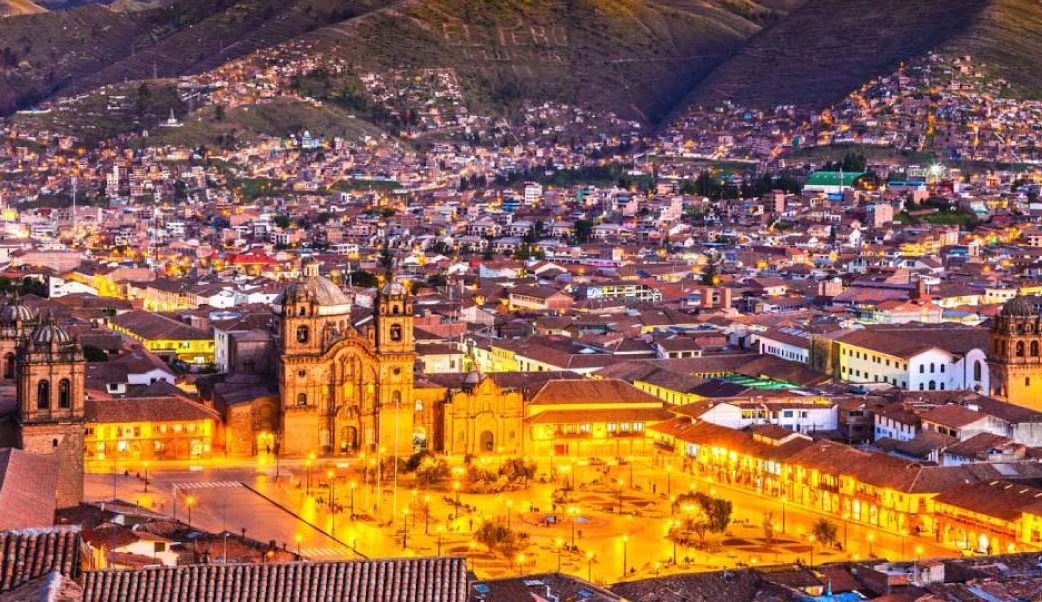
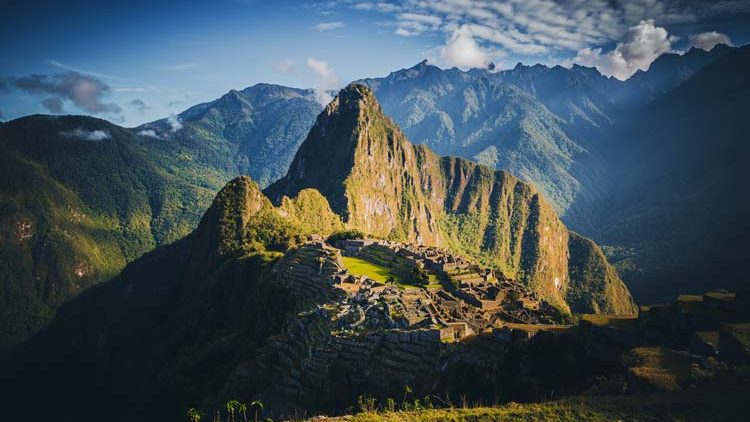
Contrary to common belief Machu Picchu was not the capital of the Incan empire, this was Cusco. The origins of Machu Picchu began with its order of construction in the 15th century, commanded by the 9th Inca of the civilisation, Inca Pachacutec. There are many theories on why this outlandish city was erected, some believe that it was a place of refuge for the Inca and his Nobel men due to the fine artefacts and structures found here.
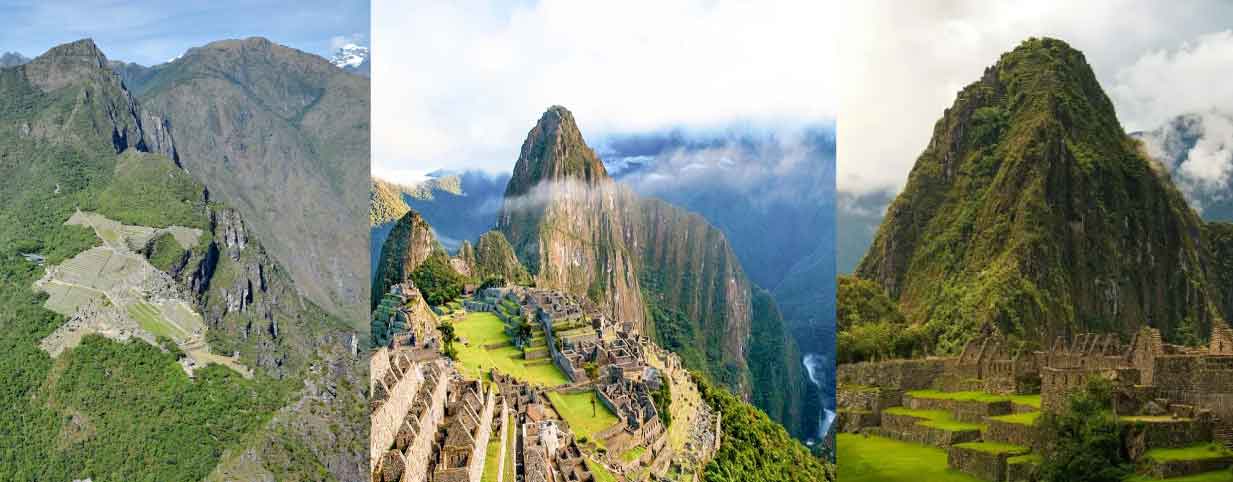
Some believe it was uniquely chosen due to its resources as a man-made agricultural oasis, due to its uniquely and impressively built terraces for growing crops and its pinpointed location which is sun-drenched due to positioning and building. Although it is widely accepted that Machu Picchu was a prestigious place which received academics in fields such as medicine, archaeology, engineering, spiritual practices and astronomy.
This belief is founded in the buildings of schools, temples, hospitals and the great entering feats found in this mysterious ancient city.
the city build upon 2 fault lines, it was and still is prone to earthquakes. Its construction is remarkable, with agricultural terraces, a water supply and drainage system and finely fitted stonework.
The Spanish conquest of the Inca Empire began in the 16th century, not 1832, during the arrival of conquistadors led by Francisco Pizarro. Around this time, many Inca sites were abandoned, and although Machu Picchu was never discovered by the Spanish, it is believed that its remote location and hidden access routes helped protect it from destruction. Local inhabitants likely reduced visibility by allowing vegetation to overgrow paths and structures, preserving the site’s secrecy. Despite its isolation, nearby Andean communities always knew of its existence and continued to use parts of the land for agriculture.
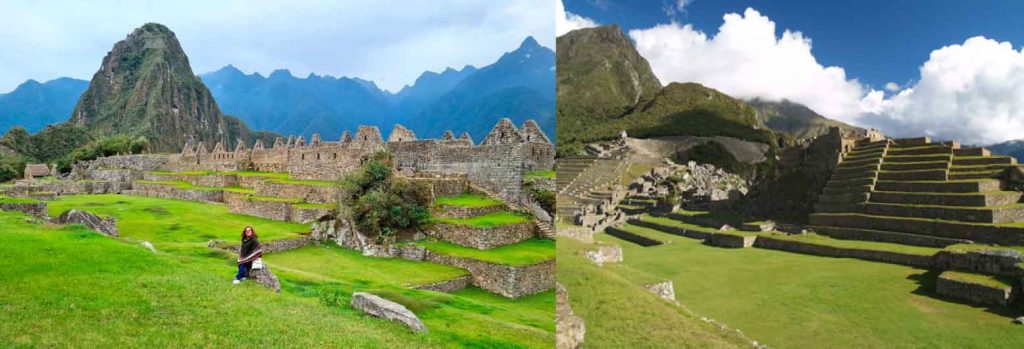
In 1911, American historian and explorer Hiram Bingham arrived in the region and, with the guidance of local indigenous farmers, brought Machu Picchu to international attention. Although not the first to reach the site, Bingham conducted one of the earliest scientific investigations and documented its significance. By 1912, his publications and photographs had introduced Machu Picchu to the world, sparking global curiosity and academic interest.
Bingham returned several times, along with other archaeologists, to further explore and study the site. During these expeditions, new access routes and pathways were established to facilitate transportation of supplies from Cusco. Some of these trails, along with sections of the original Inca road network known as the Qhapaq Ñan, are still in use today by both researchers and travelers.
Tourism to Machu Picchu began to grow significantly in the 1970s, driven by improved international travel and media exposure. Photographs published in magazines and the introduction of commercial flights to Lima made the destination more accessible and appealing to global visitors. Over the decades, it evolved into one of the most sought-after travel destinations in the world. By 2018, Machu Picchu welcomed more than 1.5 million visitors annually.
To protect the site from the impact of mass tourism, strict regulations have been introduced. Visitor numbers are now limited to 4,500 people a day (5,600 on high-season dates in 2026), and certain areas of the ruins have been restricted or roped off to prevent damage. Conservation efforts are ongoing, aiming to preserve both the architectural integrity of the site and the surrounding natural environment.
Recognized for its cultural, historical, and architectural importance, Machu Picchu was designated a UNESCO World Heritage Site and later named one of the New Seven Wonders of the World. Its remarkable stonework, advanced engineering, and harmonious integration with the mountainous landscape continue to inspire awe. From its mysterious origins to its global recognition, Machu Picchu stands as a powerful symbol of the ingenuity and legacy of the Inca civilization.

Written by Joel Cárdenas Gonzales
Founder & CEOFounder and CEO of Southern Peru Explorers since 2009. Born in Cusco and trained as an official tour guide at Instituto Khipu. About the author