This guide is continuously maintained and verified by our resident Andean mountain leaders, ensuring accurate permit guidance, altitude protocols, and route recommendations for travelers in Peru.
Table of Contents (12 Sections)
- 1 How high is Machu Picchu?
- 2 How many people can visit Machu Picchu each day?
- 3 Can I buy the entrance ticket on my own?
- 4 Can I buy a ticket on the day?
- 5 What are the circuits and routes?
- 6 Is there a time limit?
- 7 How do Inca Trail hikers enter Machu Picchu?
- 8 Do I need my passport?
- 9 Can I eat inside? Are there toilets?
- 10 What should I bring?
- 11 Is Machu Picchu closed in February?
- 12 How do I get up to Machu Picchu?
Answers to the questions travelers ask us most often before visiting Machu Picchu. The rules change often, so check the official ticket site, tuboleto.cultura.pe, before you buy. Updated October 2026.
How high is Machu Picchu?#
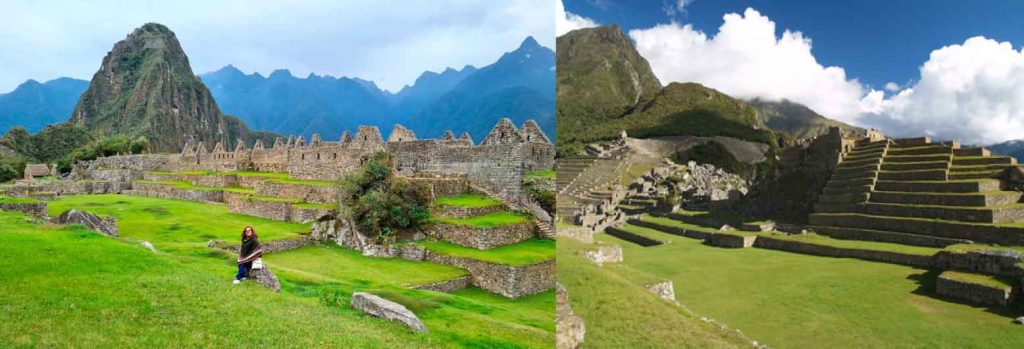
Machu Picchu is at about 2,430 m (7,970 ft) above sea level, lower than Cusco (about 3,400 m).
How many people can visit Machu Picchu each day?#
In 2026 the limit is 4,500 visitors a day, raised to 5,600 on the high-season dates set by Peru’s Ministry of Culture: 1 January, 2–5 April, 19 June to 2 November and 30–31 December. Because of this limit, tickets for the busy months sell out well in advance.
Can I buy the entrance ticket on my own?#
Yes. Tickets are sold online on the Ministry of Culture’s platform, tuboleto.cultura.pe. They are nominal: you need your passport number to buy, the date, entry time, circuit and route cannot be changed, and an unused ticket is not refunded. On our tours we book the ticket for you.
Can I buy a ticket on the day?#
Not for the same day. In Machu Picchu Pueblo (Aguas Calientes), up to 1,000 tickets a day are sold in person for the following day, from 3 pm and while they last; you need your passport. In high season, buy online as early as you can.
What are the circuits and routes?#
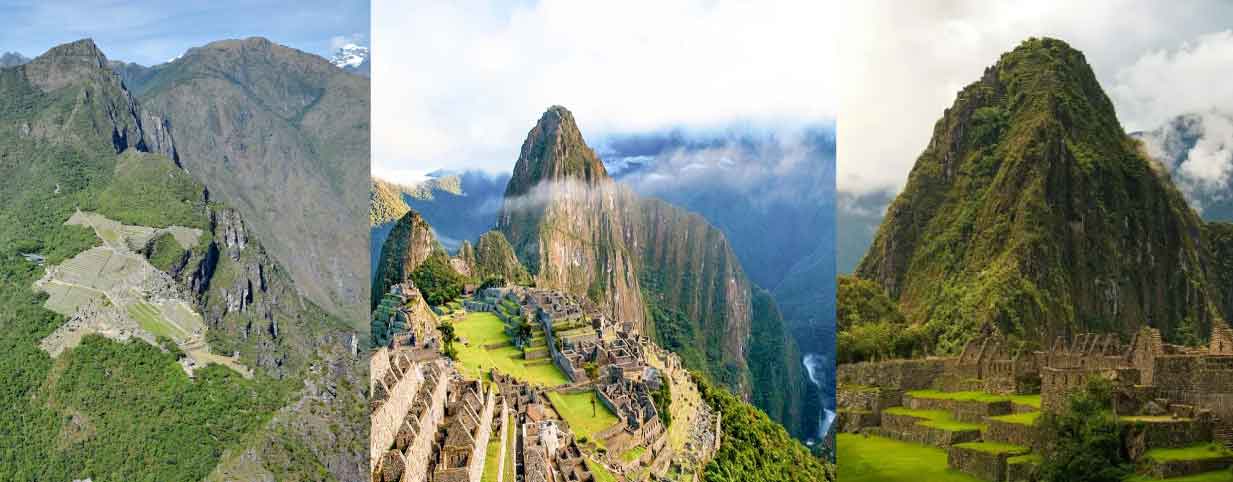
The site has three circuits: Circuit 1 (panoramic, the upper viewpoints), Circuit 2 (classic, the viewpoints and the urban sector) and Circuit 3 (royalty, the lower urban sector), divided into ten routes. Huayna Picchu, Machu Picchu Mountain, Huchuy Picchu, the Great Cavern, Inti Punku and the Inca Bridge are separate routes with fewer places, and some of them close at certain times of year for maintenance, so check availability when you book. Read our guide to Machu Picchu circuits and routes.
Is there a time limit?#
Yes. Your ticket has an entry time and you need to arrive on time. Each route also has a maximum visit time; on most routes inside the citadel it is about two and a half hours. Routes are one-way, so you cannot walk back to a section you have already passed.
How do Inca Trail hikers enter Machu Picchu?#
Since 2026, hikers arriving on the Inca Trail enter the citadel on route 3-B, with daily places booked through the authorized agencies that run the trek. Your operator books this entry together with your Inca Trail permit. See our Inca Trail tours.
Do I need my passport?#
Yes. Bring the same passport you used to buy the ticket: the name and number must match.
Can I eat inside? Are there toilets?#
Food is not allowed inside the site. There is a café and a restaurant just outside the entrance, and the only toilets are also outside, for a small fee. Once inside you follow your route to the exit, so use the toilets before you go in.
What should I bring?#
A rain jacket, sun hat, sunscreen, insect repellent and water, because the weather changes quickly. And your ticket and passport.
Is Machu Picchu closed in February?#
No, Machu Picchu is open every day of the year. It is the Classic Inca Trail that closes every February for maintenance.
How do I get up to Machu Picchu?#
From Aguas Calientes you can take the bus up to the entrance or walk up the steep path, which takes about an hour and a half. Inca Trail hikers arrive on foot through the Sun Gate (Inti Punku). Read how to get to Machu Picchu from Cusco.

Written by Joel Cárdenas Gonzales
Founder & CEOFounder and CEO of Southern Peru Explorers since 2009. Born in Cusco and trained as an official tour guide at Instituto Khipu. About the author