This guide is continuously maintained and verified by our resident Andean mountain leaders, ensuring accurate permit guidance, altitude protocols, and route recommendations for travelers in Peru.
Table of Contents (13 Sections)
- 1 Altitude Sickness in Cusco: Everything You Need to Know Before Your Trip
- 2 Why Does Altitude Sickness Occur in Cusco?
- 3 What Is the Altitude of Cusco?
- 4 Common Symptoms of Altitude Sickness
- 5 How Long Does Altitude Sickness Last in Cusco?
- 6 Who Is Most Likely to Experience Altitude Sickness?
- 7 How to Prevent Altitude Sickness in Cusco
- 8 Coca Tea and Traditional Remedies
- 9 Medication for Altitude Sickness
- 10 When Should You Seek Medical Attention?
- 11 Visiting Machu Picchu and the Sacred Valley
- 12 Frequently Asked Questions About Altitude Sickness in Cusco
- 13 Final Thoughts
Altitude Sickness in Cusco: Everything You Need to Know Before Your Trip#
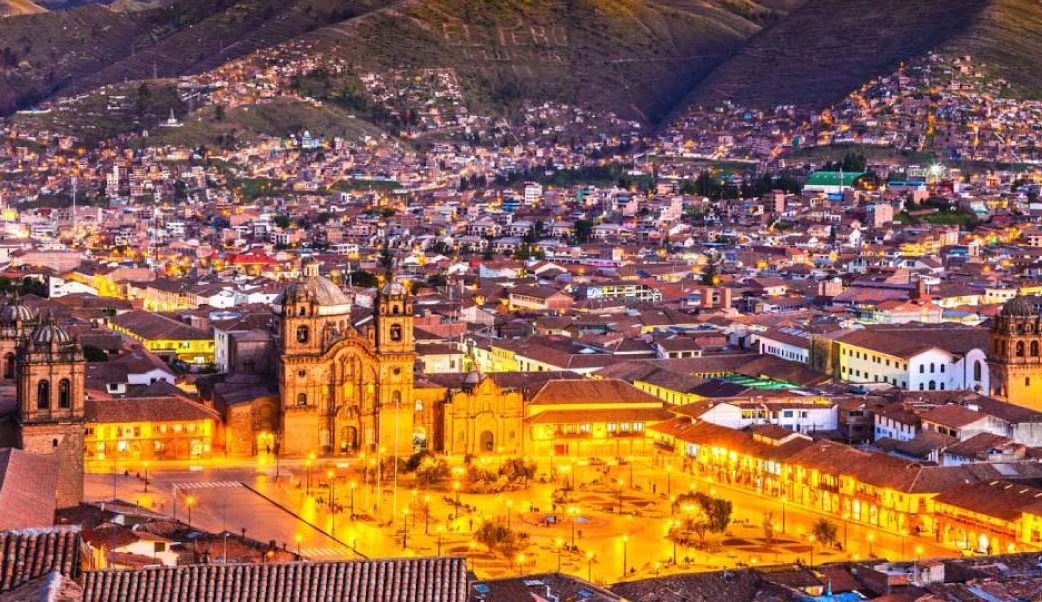
Cusco is one of South America’s most spectacular travel destinations, attracting visitors from around the world with its rich history, vibrant culture, and proximity to Machu Picchu. However, before exploring the ancient capital of the Inca Empire, travelers should be aware of one important factor that can affect their experience: altitude.
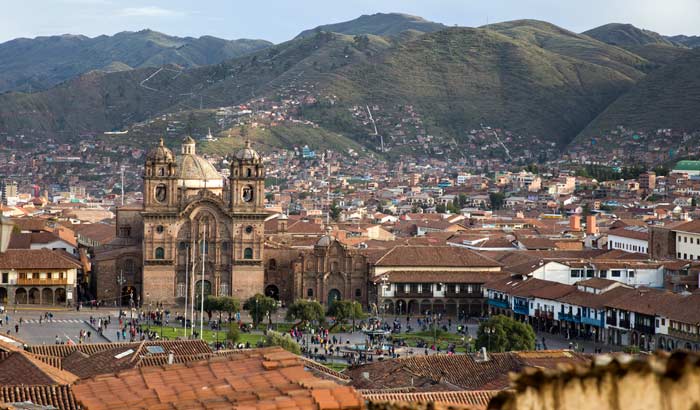
Located high in the Peruvian Andes at approximately 3,400 meters (11,152 feet) above sea level, Cusco sits at an elevation significantly higher than many cities around the world. For visitors arriving from lower altitudes, the sudden change in elevation can lead to a condition commonly known as altitude sickness.
Known locally in Peru as soroche, altitude sickness is a temporary condition that occurs when the body has not yet adapted to reduced oxygen levels at higher elevations. While most cases are mild and manageable, understanding the symptoms, prevention strategies, and treatment options can help ensure a safer and more enjoyable visit.
This guide covers everything you need to know about altitude sickness in Cusco, from recognizing the symptoms to learning how to acclimatize properly before visiting Machu Picchu and other high-altitude destinations.
Why Does Altitude Sickness Occur in Cusco?#
Many travelers are surprised to learn that the issue is not a lack of oxygen in the air itself, but rather a decrease in air pressure at higher elevations.
As altitude increases, the atmosphere becomes thinner, meaning each breath contains fewer oxygen molecules than at sea level. Because the body receives less oxygen, it must work harder to perform normal activities such as walking, climbing stairs, or carrying luggage.
When visitors arrive directly in Cusco by plane, they experience a rapid ascent from near sea level to more than 3,400 meters in a matter of hours. This sudden elevation change gives the body little time to adapt, increasing the likelihood of altitude-related symptoms.
What Is the Altitude of Cusco?#
Cusco Elevation
| Location | Altitude |
|---|---|
| Cusco City | 3,400 m / 11,152 ft |
| Sacred Valley | 2,800 m / 9,186 ft |
| Machu Picchu | 2,430 m / 7,972 ft |
| Inca Trail Highest Point | 4,215 m / 13,828 ft |
| Rainbow Mountain | 5,036 m / 16,522 ft |
One reason many travelers spend time in the Sacred Valley before staying in Cusco is because the lower elevation allows for a gentler acclimatization process.
Common Symptoms of Altitude Sickness#
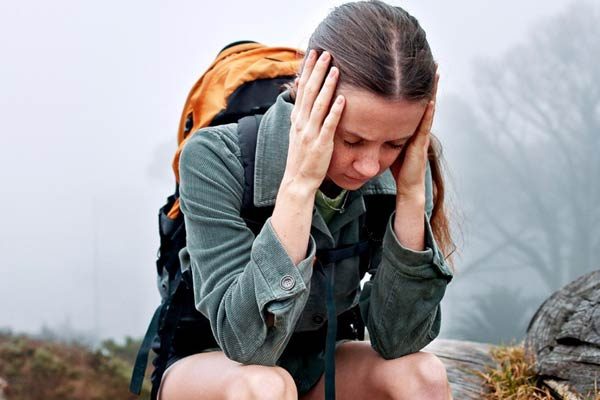
Symptoms can vary from person to person and may develop within a few hours of arrival or during the first day at altitude.
Common symptoms include:
- Headache
- Dizziness
- Fatigue
- Shortness of breath
- Nausea
- Loss of appetite
- Difficulty sleeping
- Increased heart rate
- General weakness
For most travelers, symptoms remain mild and gradually improve within 24 to 48 hours as the body begins to adapt.
How Long Does Altitude Sickness Last in Cusco?#
The duration of altitude sickness depends on several factors, including age, physical condition, hydration levels, and individual response to altitude.
Most visitors begin feeling better within one or two days after arriving in Cusco.
A typical acclimatization timeline looks like this:
| Time After Arrival | What to Expect |
|---|---|
| First 12 Hours | Mild symptoms may appear |
| 24 Hours | Body begins adapting |
| 48 Hours | Most symptoms improve |
| 72 Hours | Many travelers feel fully acclimatized |
Some individuals may experience no symptoms at all, while others require several days to adjust.
Who Is Most Likely to Experience Altitude Sickness?#
Altitude sickness can affect anyone.
Contrary to popular belief, being physically fit does not prevent altitude sickness. Elite athletes and experienced hikers can develop symptoms just as easily as less active travelers.
Factors that may increase risk include:
- Rapid ascent to high altitude
- Dehydration
- Alcohol consumption
- Lack of sleep
- Previous history of altitude sickness
- Strenuous activity immediately after arrival
Because every person reacts differently, it is impossible to predict exactly who will experience symptoms.
How to Prevent Altitude Sickness in Cusco#
The good news is that there are several effective ways to reduce the likelihood of developing altitude sickness.
Allow Time to Acclimatize
The most important recommendation is to spend at least one or two days adjusting to the altitude before participating in strenuous activities.
Many travelers choose to stay in the Sacred Valley before moving to Cusco, allowing for a more gradual adaptation.
Stay Hydrated
Drinking plenty of water helps the body function more efficiently at altitude.
Avoid becoming dehydrated during flights and throughout your first days in Cusco.
Avoid Heavy Meals
Large meals can sometimes worsen symptoms. Light, balanced meals are often easier to digest during the acclimatization period.
Limit Alcohol Consumption
Alcohol may intensify symptoms and interfere with the body’s ability to adapt.
Many travelers avoid alcohol during their first 24 to 48 hours at altitude.
Take It Easy
Allow yourself time to rest after arriving. Walking slowly and avoiding intense physical activity can make a significant difference.
Coca Tea and Traditional Remedies#
One of the most famous traditional remedies in Peru is coca tea.
For centuries, Andean communities have used coca leaves to help combat the effects of altitude. Today, many hotels in Cusco offer complimentary coca tea to arriving guests.
Other traditional remedies include:
- Coca candies
- Coca leaves
- Muña tea (Andean mint)
- Rest and hydration
While these remedies may help alleviate symptoms for some travelers, they should not be considered substitutes for proper acclimatization.

Medication for Altitude Sickness#
Some travelers consult their doctor before traveling and obtain medications such as acetazolamide (Diamox), which can assist with acclimatization.
Medication should only be taken under medical guidance and is generally recommended for travelers who have previously experienced altitude sickness or who plan to visit very high-altitude destinations.
When Should You Seek Medical Attention?#
Although serious altitude-related illnesses are uncommon in Cusco, travelers should be aware of warning signs.
Seek medical attention if symptoms become severe or include:
- Persistent vomiting
- Severe shortness of breath
- Chest pain
- Difficulty walking
- Confusion
- Loss of coordination
These symptoms may indicate a more serious altitude-related condition that requires immediate evaluation.
Visiting Machu Picchu and the Sacred Valley#
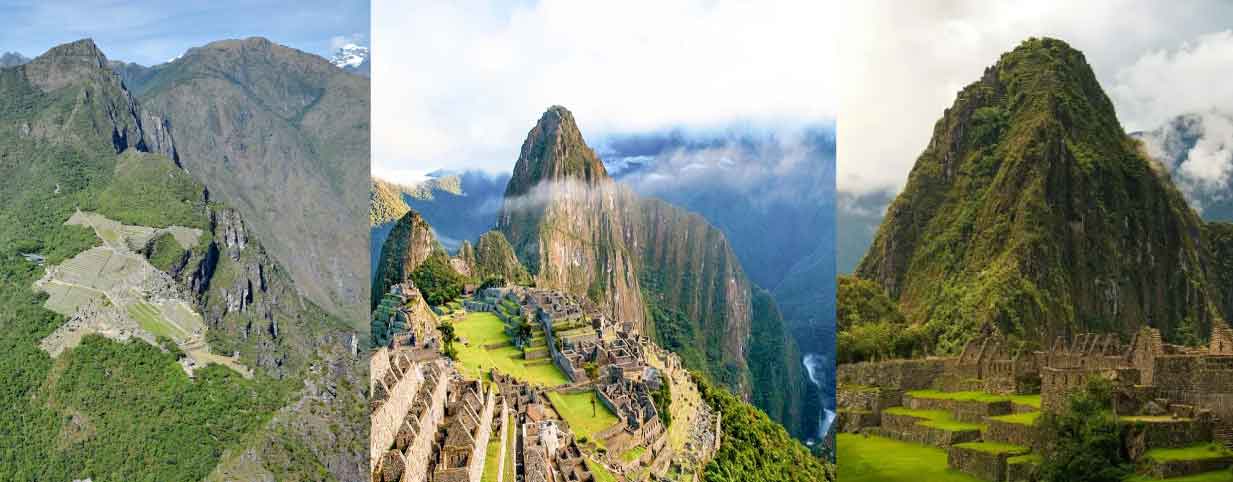
Many visitors are surprised to discover that Machu Picchu sits at a lower elevation than Cusco.
Because the Sacred Valley and Machu Picchu are located at lower altitudes, many travelers actually feel better when visiting these destinations after spending time in Cusco.
This is one reason why some itineraries begin in the Sacred Valley before continuing to Cusco and higher-altitude excursions.
Frequently Asked Questions About Altitude Sickness in Cusco#
Is altitude sickness guaranteed in Cusco?
No. Some visitors experience symptoms while others notice little or no effect.
How high is Cusco above sea level?
Approximately 3,400 meters (11,152 feet).
Is Machu Picchu higher than Cusco?
No. Machu Picchu is significantly lower at approximately 2,430 meters (7,972 feet).
Should I take medication before arriving?
Consult your doctor before traveling if you have concerns about altitude sickness or previous experience with high-altitude travel.
How many days should I acclimatize before hiking?
Most trekking operators recommend at least two days in Cusco or the Sacred Valley before beginning a trek.
Final Thoughts#
Altitude sickness in Cusco is one of the most common concerns among first-time visitors to Peru, but it should not discourage anyone from experiencing this remarkable destination. With proper preparation, adequate hydration, and a sensible acclimatization period, most travelers adjust successfully and enjoy their time in the Andes without significant problems.
Understanding what to expect before you arrive allows you to focus on exploring Cusco’s incredible history, vibrant culture, and breathtaking landscapes while minimizing the impact of altitude on your journey.

Written by Joel Cárdenas Gonzales
Founder & CEOFounder and CEO of Southern Peru Explorers since 2009. Born in Cusco and trained as an official tour guide at Instituto Khipu. About the author