This guide is continuously maintained and verified by our resident Andean mountain leaders, ensuring accurate permit guidance, altitude protocols, and route recommendations for travelers in Peru.
Table of Contents (7 Sections)
- 1 When is the best time to visit Ausangate ?
- 2 What is an Apu and why is Ausangate Mountain one?
- 3 What is the highest point on the Ausangate route?
- 4 Will I need different equipment for the snow?
- 5 Why is this trek less taken by Tourists?
- 6 Will I need to carry all my equipment for the whole trek?
- 7 Will I get Altitude sickness on this Ausangate route?
Here we answer all of those extra questions you’ve probably asked yourself about the Ausangate Trek F.A.Q.. From practical details to trekking conditions and cultural insights, this section is designed to give you clear and useful information to help you prepare for your adventure in the Ausangate region.
We’re confident this guide will help you plan your trip with more clarity and confidence, but if you still have any additional questions, please don’t hesitate to get in touch with us.
When is the best time to visit Ausangate ?#
The best time to visit Ausangate is during the dry season, from May to September, when weather conditions are more stable and skies are generally clearer. During these months, visibility of the snow-capped peaks, glacial lakes, and high mountain landscapes is at its best, making it ideal for hiking and photography.
Although most trekkers prefer the dry season, the routes are still accessible in April and October. These shoulder months can offer fewer crowds and a more peaceful experience, but also a higher chance of unpredictable weather such as rain or light snow. Trekkers should always be prepared for sudden weather changes, as conditions in the high Andes can shift quickly regardless of the season.
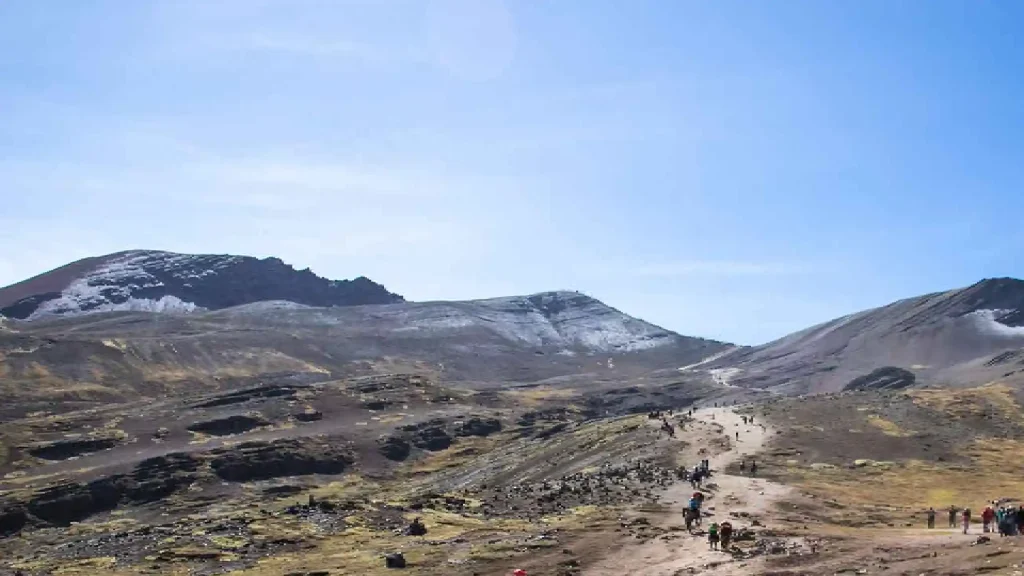
What is an Apu and why is Ausangate Mountain one?#
In Andean culture, an Apu is a sacred mountain spirit believed to protect the surrounding communities and landscapes. According to Quechua tradition, these mountains are living beings that hold spiritual power and influence over nature, agriculture, and local life.
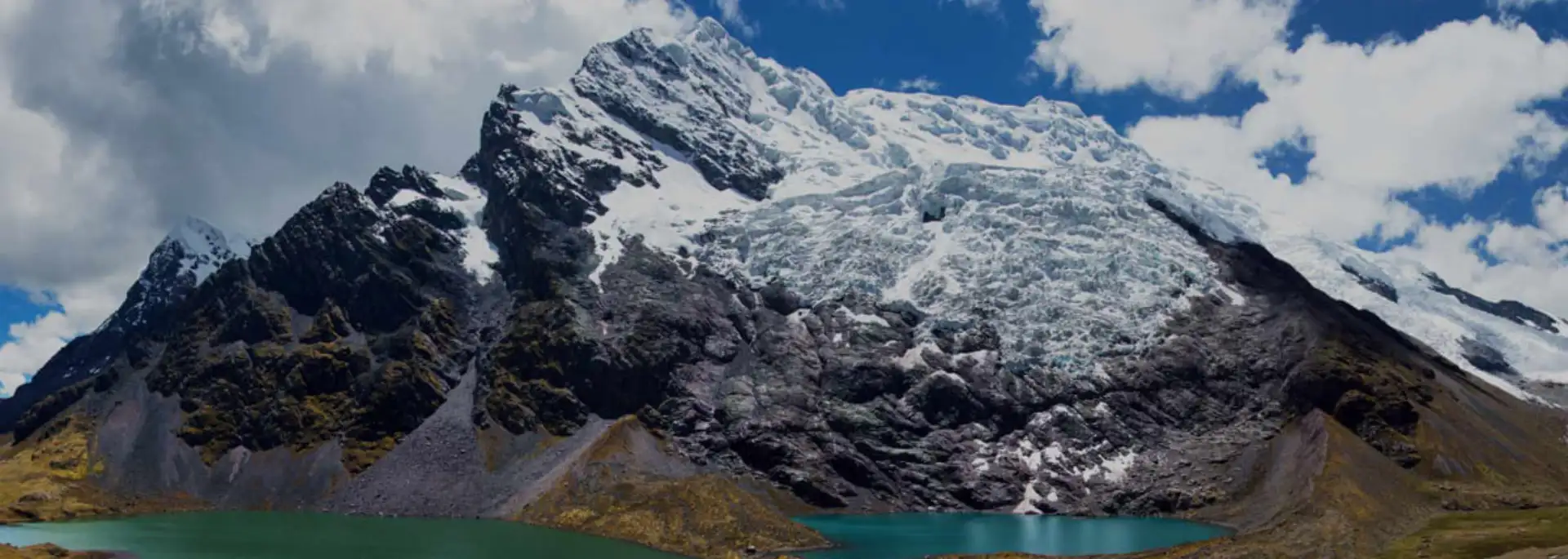
Ausangate is considered one of the most important Apus in the Cusco region. It is associated with fertility, water sources, and the birth of livestock such as alpacas and llamas, which are essential to Andean livelihoods. For many local communities, the Ausangate massif is not only a trekking destination but also a place of deep spiritual significance where rituals and offerings are still practiced today.
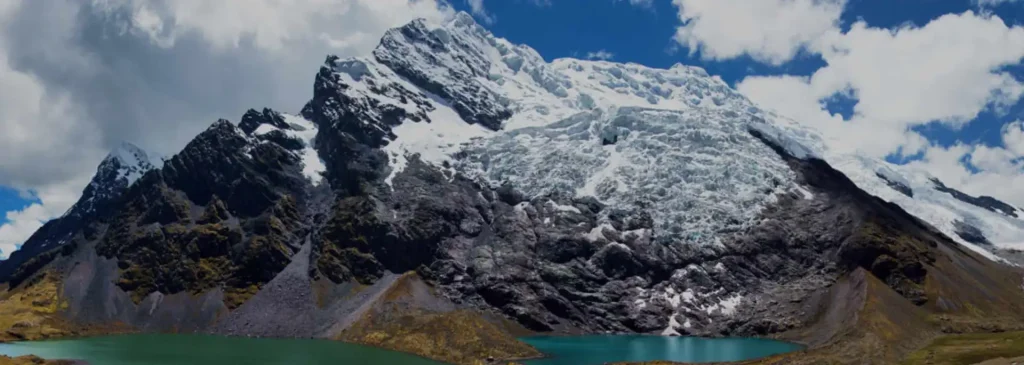
What is the highest point on the Ausangate route?#
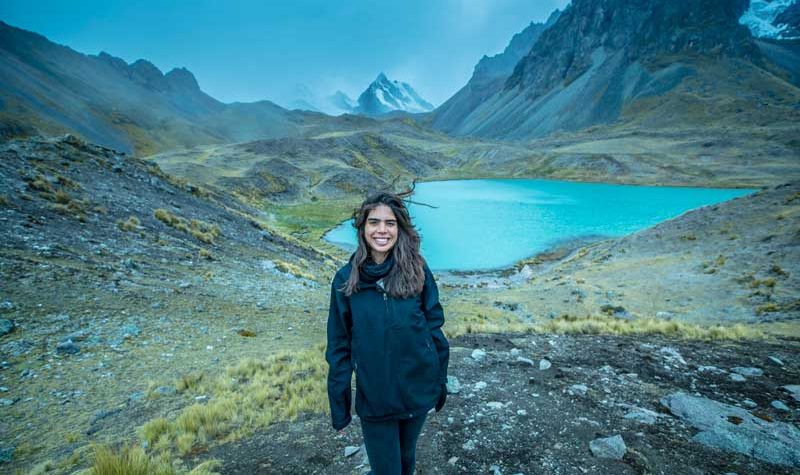
The highest point of the Ausangate trek reaches approximately 5,165 meters (17,274 feet) above sea level. This challenging altitude is typically crossed during a mountain pass, where trekkers are rewarded with panoramic views of glaciers, colorful mineral lakes, and vast high-altitude valleys.
Due to the extreme elevation, the pace of the trek is slow and gradual, allowing time for acclimatization. Weather conditions at this height can be cold and windy, even during the dry season, so proper preparation is essential.
Will I need different equipment for the snow?#
Yes, because large sections of the Ausangate trek pass through high-altitude terrain where snow and freezing temperatures are common, specialized gear is recommended. Warm, layered clothing, thermal wear, waterproof jackets, and insulated gloves are essential to stay comfortable.
Sturdy hiking or mountaineering boots with good grip are also highly recommended, especially for icy or uneven sections of the trail. While personal clothing is your responsibility, trekking companies usually provide high-quality camping equipment such as tents, mattresses, and sleeping bags designed for alpine conditions.
For longer routes such as the Ausangate 5D/4N, it is especially important to pack efficiently while prioritizing warmth and protection against wind, rain, and cold nights.
Why is this trek less taken by Tourists?#
The Ausangate trek remains less visited mainly due to its physical difficulty and remote location. Unlike shorter or more accessible routes in the Sacred Valley, this route requires multiple days of hiking at high altitude, often above 4,500 meters.
Its remoteness means fewer facilities, limited infrastructure, and a greater reliance on camping, which naturally attracts more experienced or adventurous travelers. However, this also makes the experience more authentic and rewarding, as trekkers can enjoy untouched landscapes and a strong connection with traditional Andean life.
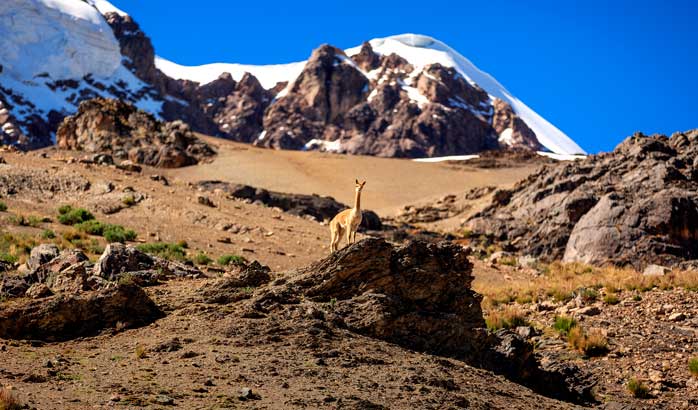
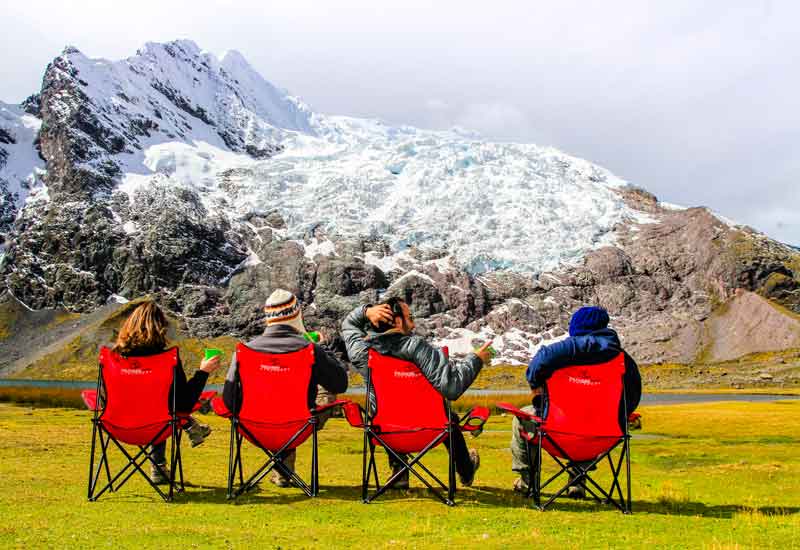
Will I need to carry all my equipment for the whole trek?#
No. One of the advantages of trekking in Ausangate is that pack animals such as llamas and horses are used to transport most of the heavy equipment, including food, tents, and group gear.
Trekkers only need to carry a small daypack with essential items such as water, snacks, extra layers, sunscreen, and personal belongings. This system makes the trek more manageable while still maintaining its adventurous nature.
Will I get Altitude sickness on this Ausangate route?#
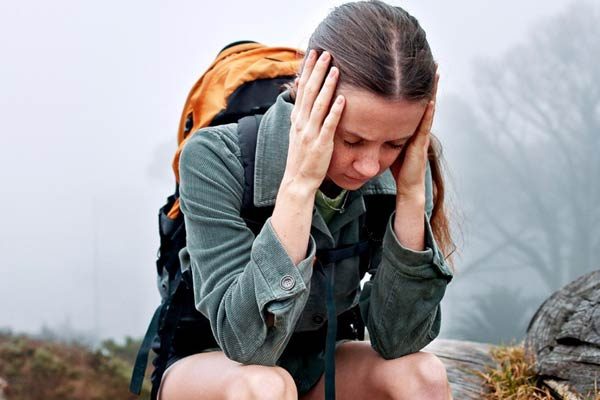
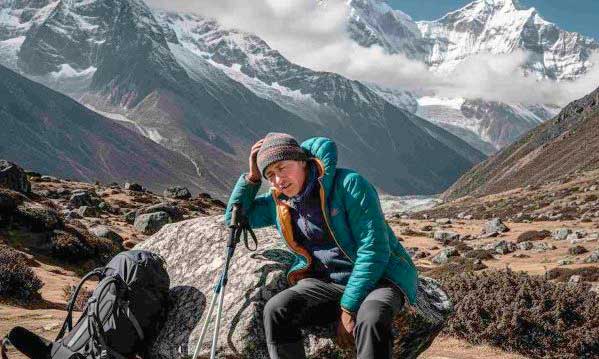
There is a possibility of altitude sickness on the Ausangate route due to its extreme elevation. Symptoms can vary from mild discomfort to more noticeable effects such as headaches, fatigue, or shortness of breath.
To reduce risks, proper acclimatization is essential before starting the trek, ideally by spending a few days in Cusco or the Sacred Valley. During the hike, maintaining a slow pace, staying hydrated, and avoiding overexertion are key preventive measures.
Experienced guides are trained to recognize symptoms and provide support if needed, ensuring safety throughout the journey. In most cases, with proper preparation, trekkers are able to complete the route successfully and safely.

Written by Joel Cárdenas Gonzales
Founder & CEOFounder and CEO of Southern Peru Explorers since 2009. Born in Cusco and trained as an official tour guide at Instituto Khipu. About the author