This guide is continuously maintained and verified by our resident Andean mountain leaders, ensuring accurate permit guidance, altitude protocols, and route recommendations for travelers in Peru.
Cusco Historical & Archaeological sites#
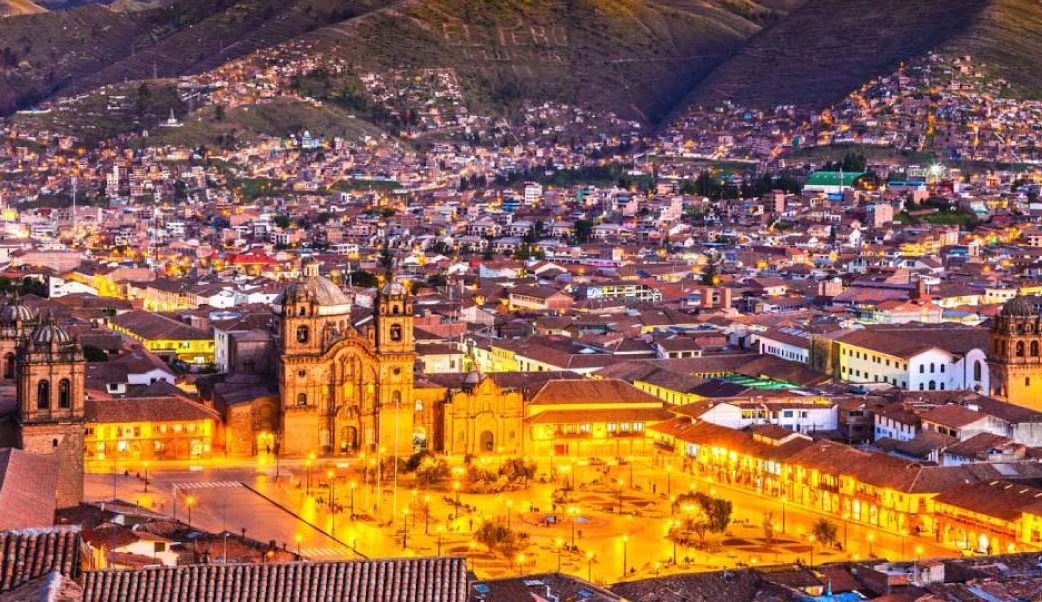
Cusco Historical & Archaeological Sites are spread across the city and the hills around it, from Inca temples to colonial churches and museums.
This guide covers the main museums, churches and Inca sites in and around Cusco. These sites show how the Incas and earlier cultures built and worked stone.
The significance of these Archaeological Sites cannot be overstated, as they play a vital role in understanding the region’s history.
Below is our selection of frequently asked questions and essential travel information about Cusco’s most important historical, archaeological, and cultural attractions.
The Archaeological Sites in Cusco provide unique insights into the daily lives and spiritual practices of the Inca people.
Additionally, each Archaeological Site offers unique insights into the daily lives and spiritual practices of the Inca people. As visitors traverse these Archaeological Sites, they will appreciate the ingenuity and dedication of the civilizations that once thrived here.
In Cusco, Inca walls stand under colonial buildings, and local traditions are still part of daily life. From fascinating museums and ancient ruins to impressive churches and sacred temples, there are countless places to explore while visiting the former capital of the Inca Empire.
In this guide, you’ll discover where these attractions are located, how to reach them, what you can expect to see, and why each site plays an important role in the history of Cusco.
Some of the most notable Archaeological Sites in Cusco include Coricancha, Sacsayhuamán, and Tambomachay, each reflecting the unique aspects of Inca engineering and spirituality.
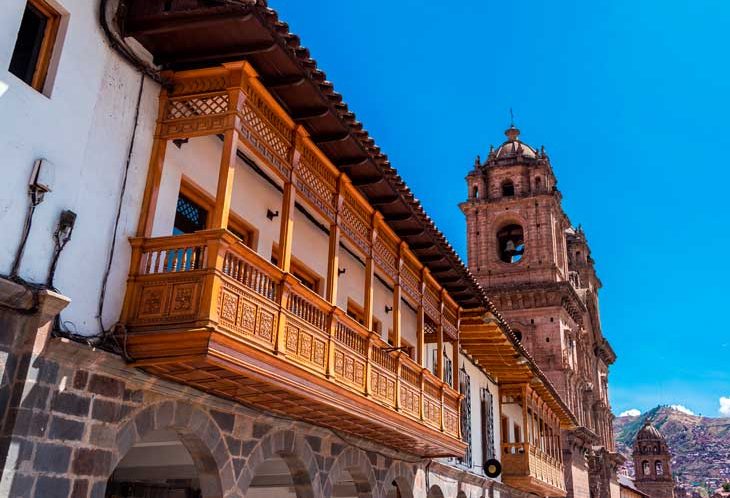
Museums#
Overall, the exploration of these Archaeological Sites is an enriching experience that connects travelers with the past.
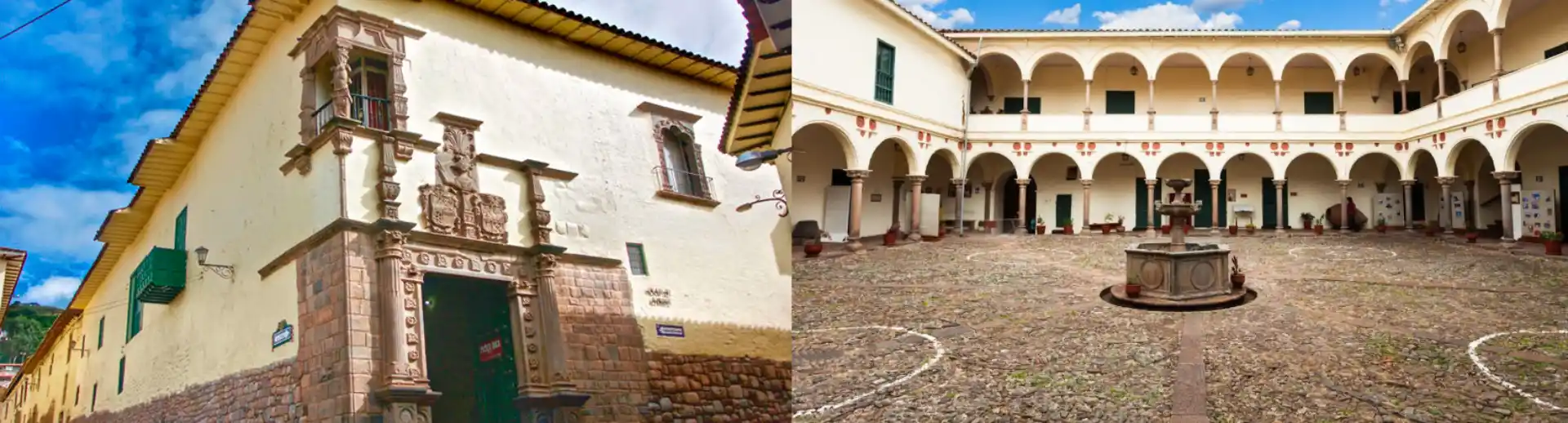
Cusco offers a wide variety of museums that showcase the city’s cultural identity, archaeology, art, and natural history. Visiting these museums is an excellent way to gain a deeper understanding of Peru’s ancient civilisations and local traditions.
Many visitors find themselves captivated by the stories told by the stones at these Archaeological Sites, creating lasting memories of their journey through history.
As you venture through the city and its surroundings, keep an eye out for additional Archaeological Sites that may not be on the typical tourist path.
These lesser-known Archaeological Sites often provide unique insights and fewer crowds, allowing for an intimate exploration of the Inca legacy.
1. Natural History Museum
Located near Plaza de Armas, this university run museum focuses on Peru’s biodiversity and wildlife.
Visitors can explore collections featuring Amazonian birds, reptiles, insects, mammals, and native species. It’s an excellent stop for families, nature lovers, and travellers interested in Peru’s ecosystems.
Location: Plaza de Armas, Cusco
2. Museo Inka
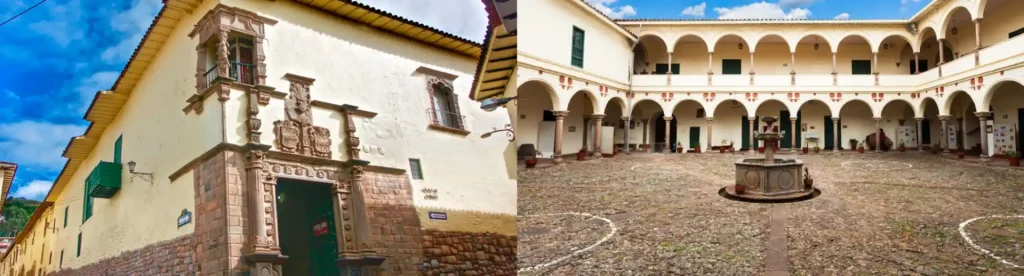
One of the most important museums in Cusco, Museo Inka presents the history of the Inca civilisation from its origins through the colonial period and into modern Peru.
Its exhibits include ceramics, textiles, archaeological artefacts, tools, and displays that explain the transformation of Cusco throughout history.
Location: Ataud 154, Cusco 08002
3. Museo de Arte Precolombino
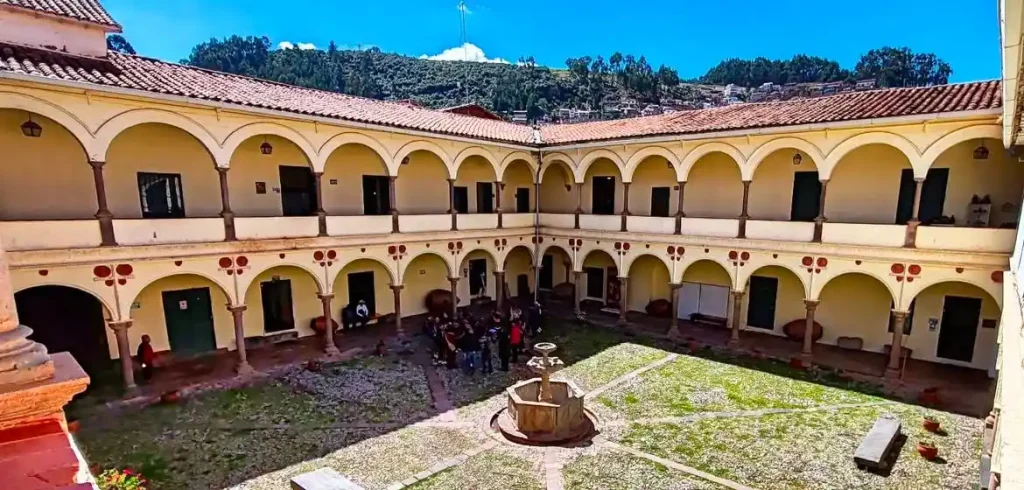
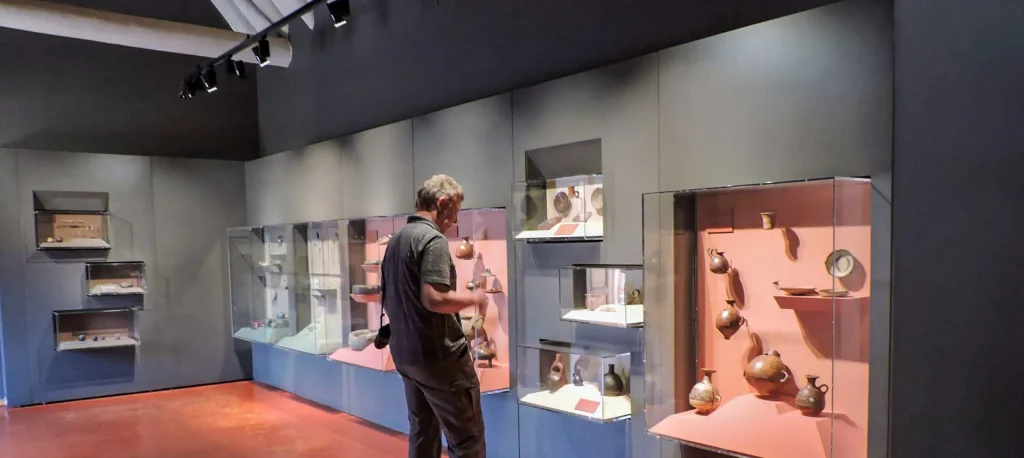
Dedicated to ancient Peruvian art, this museum showcases beautifully preserved pre-Columbian artefacts from various cultures across Peru.
Visitors can admire pottery, jewellery, sculptures, ceremonial pieces, and intricate craftsmanship that reflect Peru’s artistic heritage.
Location: Nazarenas 231, Cusco 08002
4. Museo Machu Picchu
Home to one of the largest collections of Machu Picchu artefacts, this museum offers insight into the discovery, excavation, and importance of the famous Inca citadel.
It is highly recommended for travellers planning to visit Machu Picchu and wanting deeper historical context.
Location: Santa Catalina Ancha 320, Cusco, Peru 080101
5. Choco Museo
A unique museum focused on the cultivation, history, and production of chocolate in Peru.
Visitors can enjoy tastings, workshops, and learn about cacao farming traditions while purchasing local handmade chocolate.
From the well-known landmarks to hidden gems, the Archaeological Sites of this region are essential for understanding Peru’s rich cultural history.
Location: Calle Garcilaso 210, Cusco 08002
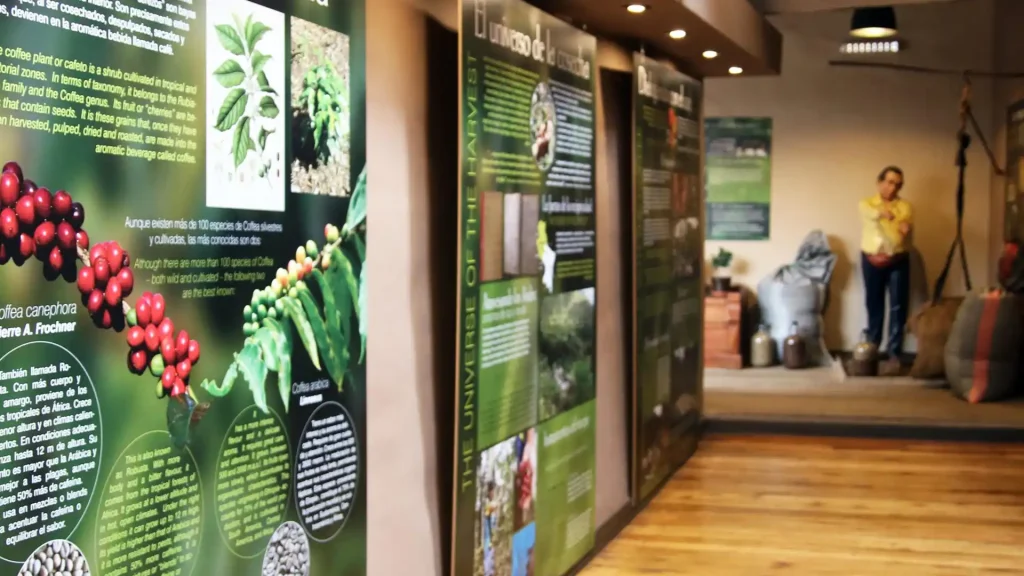
6. Museo del Café
Perfect for coffee lovers, this museum explains the history of coffee production in Peru and offers guided tasting experiences.
Guests can discover roasting methods, coffee culture, and even participate in coffee-making experiences.
Location: Espaderos 136, Cusco 08000
As you plan your visit, consider allocating time to explore multiple Archaeological Sites to fully appreciate their significance.
Churches in Cusco#
Cusco’s churches are remarkable examples of colonial architecture and religious history. Many were built on former Inca foundations, blending Spanish and Andean cultural influences.
Together they show how the Incas built temples, water channels and terraces.
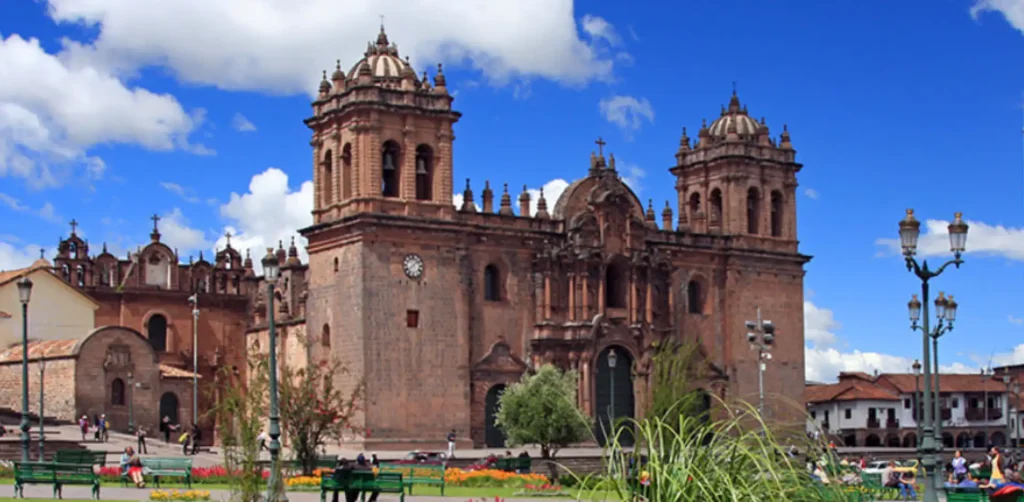
1. Cusco Cathedral
Located in Plaza de Armas, the cathedral dominates the historic centre of Cusco.
Construction took over 100 years, resulting in a magnificent basilica filled with colonial artwork, chapels, carved wooden interiors, and religious treasures.
Visiting these Archaeological Sites allows you to witness firsthand the legacy left behind by a remarkable empire.
It is recognised as part of Cusco’s UNESCO World Heritage status.
2. Iglesia, Museo y Convento de San Francisco
This church complex includes impressive colonial architecture, historical artworks, and one of the city’s largest bell towers.
Visitors can also explore the catacombs beneath the church, making it a fascinating stop for history lovers.
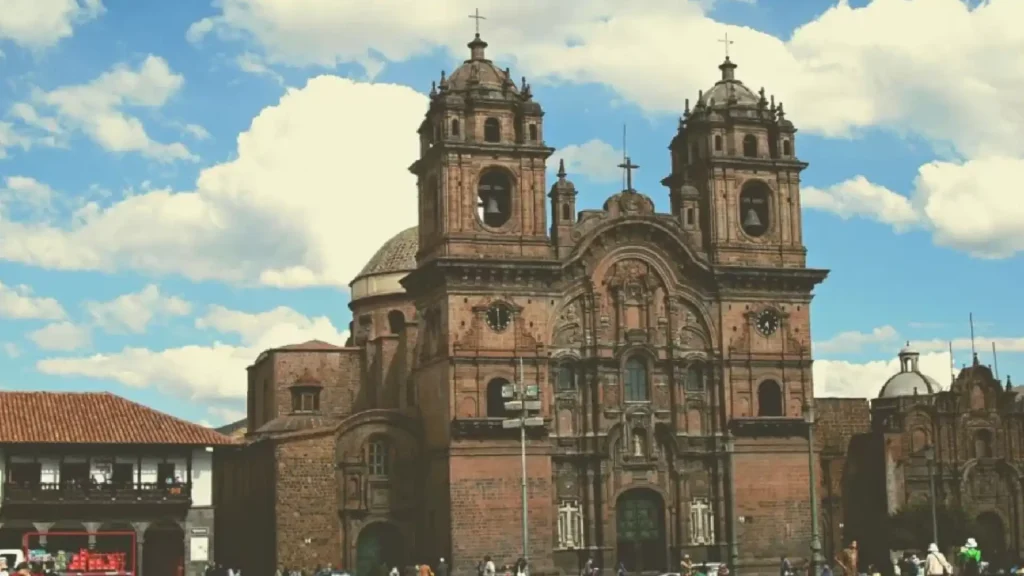
3. Iglesia de la Compañía de Jesús
Built after the Spanish conquest, this church is one of Cusco’s finest examples of Baroque architecture.
Its carved façade and interior are of interest to anyone who likes art and architecture.
Archaeological Ruins Near Cusco#
Exploring the Archaeological Sites in Cusco#
Cusco is surrounded by important archaeological sites that reveal the engineering brilliance and spiritual traditions of the Inca civilisation.
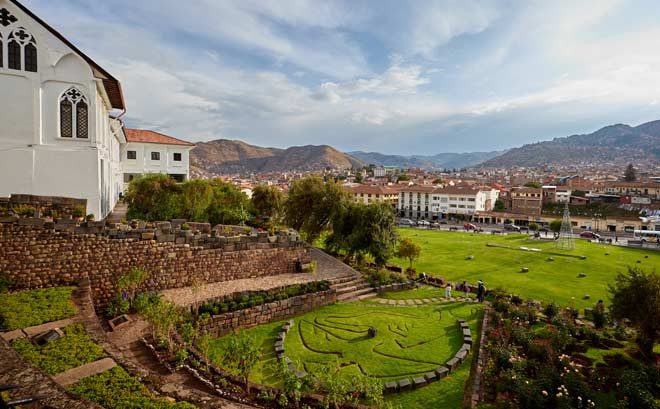
1. Coricancha
Known as the “Temple of the Sun,” Coricancha was one of the most sacred places in the Inca Empire.
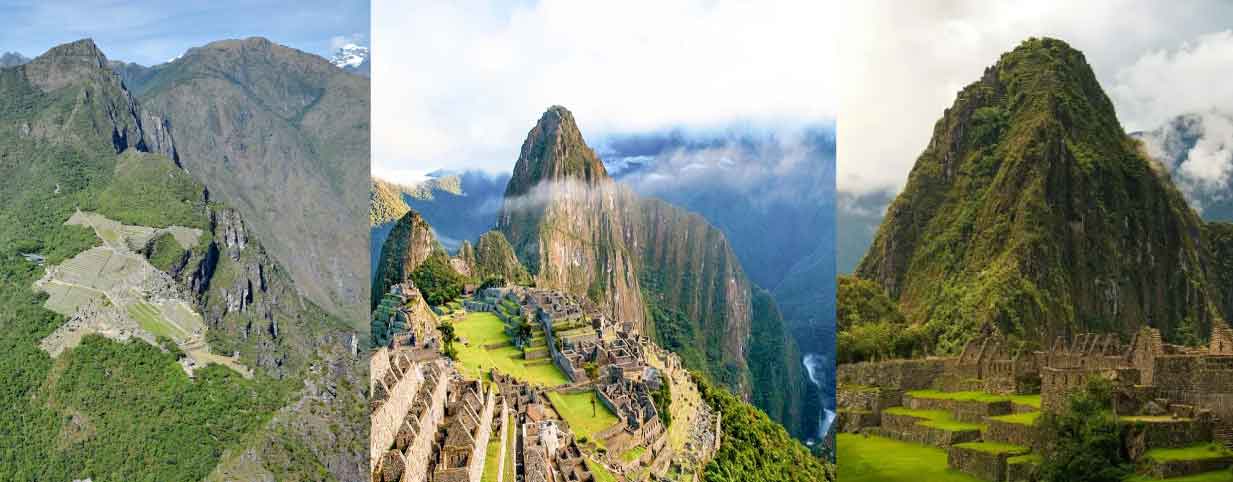
The ruins showcase intricate stonework and the remnants of temples dedicated to various deities. Nearby, the Sacsayhuamán site features massive stone walls that exemplify Inca engineering prowess. Hikers can also walk the Inca Trail, which ends at Machu Picchu. Each site tells a story of the rich cultural heritage that continues to captivate visitors from around the globe. Exploring these ruins offers a deeper understanding of the Inca civilization’s advanced society and their connection to the natural world.
Although much of the original structure was destroyed during the Spanish conquest, visitors can still admire the impressive stonework and learn about its religious significance.
In summary, exploring the Archaeological Sites in and around Cusco is a journey through time, revealing the incredible achievements of the ancient Inca civilization.
2. Puka Pukara
Known as the “Red Fortress,” this archaeological site likely served as a military checkpoint or resting place for travellers during the Inca period.
At Puka Pukara you can walk around its terraces and walls, with views over the valley. The site’s strategic location highlights the Inca’s expertise in utilizing natural terrain for defense and control. Nearby, the ruins of Tambomachay, known for its aqueducts and water temples, further showcase the advanced engineering skills of the Incas. Tourists often combine visits to these sites for a comprehensive understanding of the region’s history and cultural heritage. Each location provides a unique glimpse into the daily lives and spiritual practices of the Inca people.
Most of these sites can be visited in a day from Cusco.
3. Sacsayhuamán
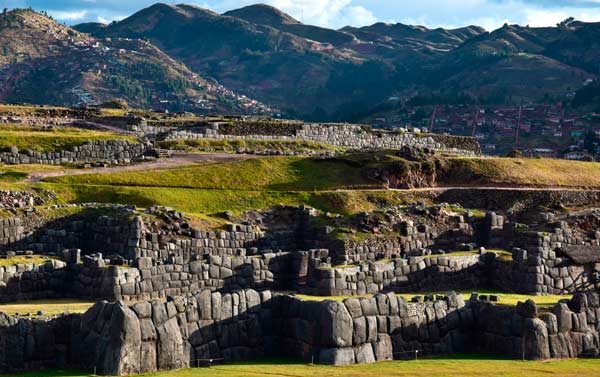
Located approximately 4 km from Cusco, Sacsayhuamán is famous for its enormous stone walls and advanced engineering.
The site showcases the Inca’s remarkable skill in stone masonry, with some stones weighing over 100 tons. Visitors can explore the vast terraces and intricate pathways that connect the different sections of the fortress. Nearby, the site of Q’enqo offers insight into Inca rituals, featuring carved rock formations used for ceremonies. Visit in the late afternoon for softer light on the stones. Each archaeological site around Cusco tells a unique story, inviting exploration and reflection on the Inca legacy.
This archaeological complex once included ceremonial spaces, towers, roads, and aqueducts.
5. Qenqo Temple
Qenqo, meaning “Labyrinth,” is a mysterious archaeological site featuring carved stones, ceremonial altars, and underground passages.
The intricate designs at Qenqo suggest it was a significant site for rituals and offerings. Visitors can explore the winding paths that connect various chambers, each revealing unique carvings that reflect Incan artistry. The site’s name aptly describes its complex layout, which adds to its allure. Historians believe that Qenqo played a crucial role in the spiritual life of the Inca Empire. As dusk settles, the site takes on an ethereal quality, drawing in those seeking to connect with its ancient past.
It is believed to have been used for rituals, astronomy, and sacred ceremonies.
4. Tambomachay
Located around 7 km from Cusco, Tambomachay is recognised for its flowing water channels, fountains, and aqueduct systems.
The site is often referred to as the Inca Bathing Site due to its intricate waterworks. Visitors are captivated by the sound of water cascading over the stones, creating a serene atmosphere. The precision of the stonework reflects the advanced engineering skills of the Inca civilization. Tambomachay is also thought to have held spiritual significance, connecting water with fertility and life. Tourists frequently combine visits to Tambomachay with nearby attractions, enriching their understanding of Inca culture.
Many historians believe it served as a ceremonial water temple or bathhouse for the Inca elite.
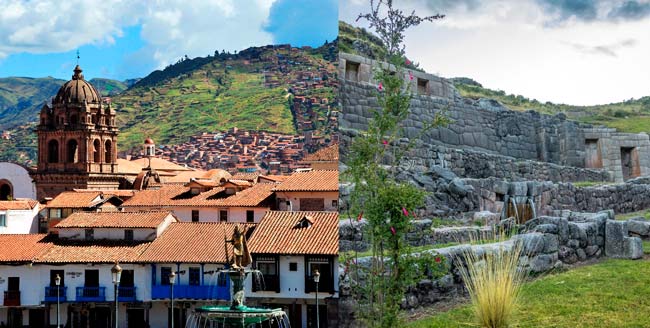
These sites attract both travelers and researchers. Many visitors spend hours exploring Qenqo’s intricate carvings and pondering their purpose. Meanwhile, Tambomachay’s serene atmosphere provides a perfect backdrop for reflection and relaxation. Travelers often take guided tours to fully appreciate the cultural heritage and stories behind each location. As a result, these experiences enrich their understanding of the Inca civilization and its remarkable achievements.


Written by Joel Cárdenas Gonzales
Founder & CEOFounder and CEO of Southern Peru Explorers since 2009. Born in Cusco and trained as an official tour guide at Instituto Khipu. About the author